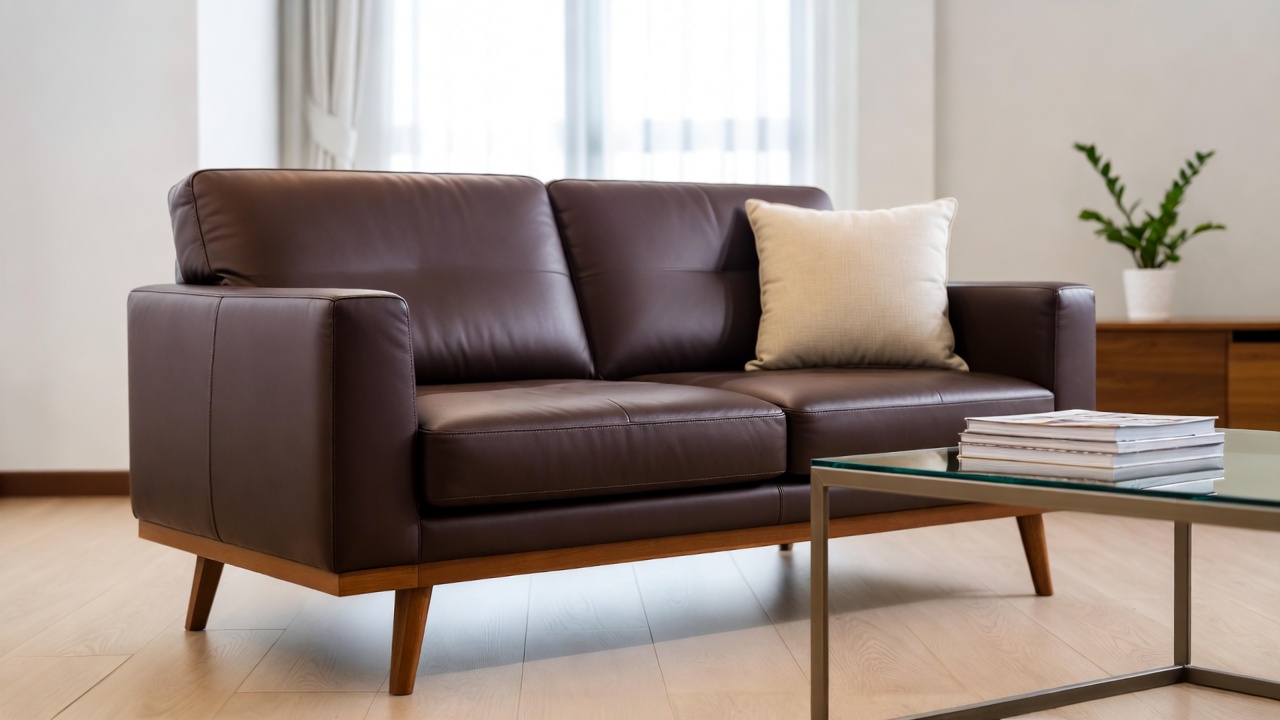
Coming home after a long day at the office and OT, that squeeze on the MRT… sometimes, you just want to sink into a space that feels like a warm hug, right? A place where your shoulders can finally drop, and you can truly relax. That’s the dream, lah! And at Wondrous La Vie, we're all about turning that dream into a reality for Singaporean homes.
Founded in 2013, Wondrous La Vie understands the heart of Singaporean living. We know that *modern luxury interior design* isn't just about fancy furniture and expensive renovations. It’s about creating a personalized sanctuary, a space that reflects your unique style and supports your well-being. Think of it as your personal recharge station, where you can unwind, bond with family, and wake up feeling refreshed, ready to tackle whatever the day throws your way.
We're Singapore's pioneering interior design and home furnishing platform, beta launched in March 2024. What does that mean for you? It means we connect you with the *best interior designers Singapore* has to offer, and a curated selection of *premium furniture brands,* all in one convenient place. Forget endless scrolling and stressful comparisons – we make it easy to find the perfect match for your style and budget.
One homeowner shared how connecting with the right designer via our platform transformed their cramped HDB living room into a cosy family hangout. Suddenly, weekends feel so much better, with everyone wanting to spend time together in the newly refreshed space. It’s stories like that that fuel our passion. It's not just about aesthetics; it's about how a well-designed home can improve your quality of life, your relationships, and your overall happiness. After all, *interior design* is the art and science of planning and designing interior environments to enhance functionality, aesthetics, health, safety, and the overall human experience within a space.
Think of us as your friendly neighbour, always ready to offer a helping hand and share some *HDB interior design ideas*. We're here to guide you on your journey to creating that *shiok*, soul-recharging home space you've always wanted. Why not pop over to wondrouslavie.com and see what's possible? You might just be surprised!
Lighting is so important, you know? It's like the secret ingredient that can make or break a space. Getting it right can totally transform the mood and feel of your home. Think about it – harsh, glaring lights can make you feel stressed and uncomfortable, while soft, warm lighting can create a relaxing and inviting atmosphere. It's all about finding that sweet spot!
When it comes to *modern luxury interior design,* lighting plays a crucial role. It's not just about illuminating the room; it's about creating depth, highlighting features, and setting the overall tone. And before you even start thinking about fancy chandeliers or trendy lamps, it's essential to assess your home's natural light. This is especially true in Singapore, where the intensity and direction of sunlight can vary greatly depending on the time of day and the orientation of your home.
Here’s a little checklist to help you get started:
Understanding your home's natural light is the first step towards creating a lighting design that enhances its beauty and functionality. By carefully considering these factors, you can create a space that feels both luxurious and comfortable. I’ve heard so many friends in the group chat complain about the same thing – not enough light! – but it's confirm can be solved with a little planning and the right *interior design* choices.
And if you're feeling overwhelmed, don't worry! Wondrous La Vie can connect you with experienced *interior designers* who can help you create a lighting plan that perfectly complements your style and needs. Think of it as a partnership, where you bring your vision, and they bring their expertise. Steady, right?
Okay, so you've assessed your natural light, now what? Time to dive into the exciting world of lighting design! And trust me, it's more than just picking out a pretty lamp. It's about creating a layered lighting scheme that addresses different needs and moods. Think of it as composing a symphony of light, where each element plays a specific role in creating the overall harmony.
Here's a breakdown of the key types of lighting to consider for your *modern luxury interior design*:
When choosing lighting fixtures, consider the style and finish of your *furniture*. Do you prefer sleek and modern designs, or more traditional and ornate styles? Choose fixtures that complement your existing decor and enhance the overall aesthetic of your home. And don't be afraid to mix and match different styles to create a unique and personalized look.
And remember, energy efficiency is key! Opt for LED bulbs, which use significantly less energy than traditional incandescent bulbs and last much longer. This will not only save you money on your electricity bill but also reduce your environmental impact. After a long day squeezing on the MRT and powering through meetings, most Singaporeans just want to come home to a space that feels cosy and stress-free instead of making things worse. A messy living area or an unrestful bedroom can make relaxing even more difficult, especially when the whole family are trying to relax together. That’s where thoughtful interior design really makes a difference—it turns everyday rooms like your living room, sleeping space, or kitchen into private sanctuaries that actually help you refresh your energy. With the right sofa, mattress, or functional arrangement, suddenly walking through the door feels shiok lah, and thoughtful tweaks can bring massive difference to your well-being and family moments. Places like Wondrous La Vie make it simpler to discover inspiration and connect with designers who get the Singapore home vibe spot on. This format lets you easily generate multiple SEO-optimised variations while keeping the core keyword "interior design" stable in the middle for strong on-page targeting.. It's a win-win situation!
Picture this: you open the door after work and your shoulders just drop – sounds like heaven? It can be sia. A well-lit living room, a cosy *sofa* beckoning you to relax, a warm glow that instantly melts away the stress of the day. That's the power of good lighting design, lah!
Now, let's talk about specific rooms and how to tailor your lighting design to their unique needs. After all, the lighting requirements for a *living room* are very different from those of a *bedroom* or *kitchen*.
Living Room: This is often the heart of the home, a space for relaxation, entertainment, and socializing. Aim for a layered lighting scheme that includes ambient, task, and accent lighting. A *cosy sofa Singapore* deserves to be bathed in warm, inviting light. Consider a statement chandelier or pendant light for ambient lighting, floor lamps for task lighting, and spotlights to highlight artwork or architectural features. Dimmer switches are a must, allowing you to adjust the lighting to suit different activities and moods.
Bedroom: This should be a sanctuary for rest and relaxation. Opt for soft, warm lighting that promotes sleep. Avoid harsh overhead lighting, which can be jarring and disruptive. Bedside lamps are essential for reading, and wall sconces can add a touch of elegance. Consider using blackout curtains to block out unwanted light and create a darker, more conducive sleep environment. And of course, a *best mattress for back pain Singapore* deserves to be paired with the perfect lighting to create a truly restful space.
Kitchen: This is a workspace, so prioritize task lighting. Under-cabinet lighting is essential for illuminating countertops, and recessed lighting can provide overall illumination. A pendant light over the kitchen island can add a touch of style. Consider using brighter, cooler lighting in the kitchen to improve visibility and prevent accidents. And for those late-night snack runs, a dimmable light is perfect!
Bathroom: This requires a combination of task and ambient lighting. Vanity lighting is essential for grooming, and recessed lighting can provide overall illumination. Consider using a dimmer switch to create a relaxing atmosphere for baths. And don't forget to add a touch of style with a decorative pendant light or sconces.
It’s really sian when your *bedroom* feels cluttered and your *mattress* is giving you backache after work, but with the right *interior design* ideas and comfy pieces, that sense of calm comes back stronger. Remember, *furniture* choices play a big role in how light interacts with a room. In Singapore’s tight condo apartments and condos, the bedroom often serves as both retreat and multi-use space— a place for deep relaxation after long workdays, catch up on reading, or even sneak in a quick work-from-home setup when the situation calls for it. It’s very typical for Singapore homeowners to feel frustrated by arrangements that seem too tight, lighting that’s too harsh, or bulky storage that reduces usable area, making the room feel more practical than peaceful. That’s where thoughtful bed room storage truly excels—it focuses on intelligent layout optimisation, soothing neutral tones, space-saving furniture, and strategic lighting design to create a tranquil sanctuary that maximises comfort while keeping everything tidy and airy. Suddenly your bedroom becomes the place you genuinely anticipate at the after a long day, helping you unwind faster, enjoy deeper rest, and wake up feeling more refreshed for the day ahead. Resources like Wondrous La Vie offer plenty of genuine homeowner transformations and straightforward links to designers who specialise in these functional and stylish local bedroom renovations.. Lighter colours reflect more light, making a space feel brighter and more open, while darker colours absorb light, creating a more intimate and cosy atmosphere. So, choose your *modern living room furniture Singapore* wisely!
Okay, let's get down to the nitty-gritty of choosing the right lighting fixtures. With so many options available, it can be overwhelming! But don't worry, I'm here to break it down for you. It's all about finding the perfect balance between style, functionality, and budget.
Chandeliers and Pendants: These are statement pieces that can add a touch of elegance and drama to any room. Consider the size and style of your room when choosing a chandelier or pendant. A large chandelier can overwhelm a small room, while a small pendant can get lost in a large space. Choose a style that complements your existing decor and enhances the overall aesthetic of your home. They are perfect for adding that *modern luxury interior design* touch.
Recessed Lighting: This is a versatile and discreet option for providing ambient lighting. Recessed lights are installed flush with the ceiling, creating a clean and minimalist look. They are perfect for providing overall illumination in any room. Consider using dimmer switches to adjust the
" width="100%" height="480">Assess your home's natural light before designing lighting (checklist)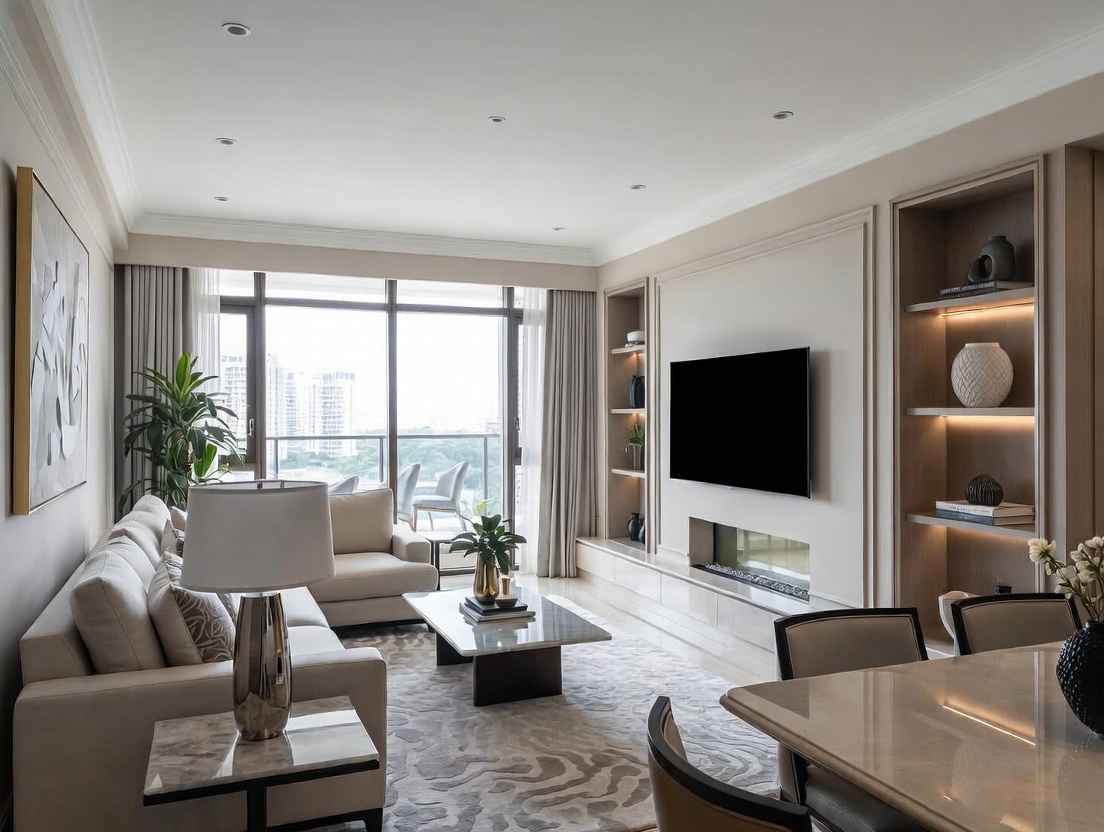
Ever feel that sian feeling when you tap out after a long day, squeeze onto the MRT, and finally reach your doorstep… only to be greeted by a space that feels, well, meh? I’ve heard so many friends in the group chat complain about the same thing. It's like your home is adding to the stress, instead of melting it away. You're not alone lah! We all crave that "shiok" feeling of walking into a home that just feels good, right? A place where you can finally unwind, connect with family, and recharge for whatever tomorrow throws your way. That’s where thoughtful interior design comes in, and it all starts with understanding the light in your home.
Okay, so you're thinking of sprucing up your place, maybe even diving into a full-blown renovation. Steady lah, that's a great first step! But before you even think about paint colours or that chio sofa you saw online, you gotta understand the natural light situation in your home. Let me tell you, lighting is everything. It can make a small HDB feel spacious, a dull room feel vibrant, and generally lift your mood after a sian day at the office.
Think of it like this: interior design is the art and science of planning and designing interior environments to enhance functionality, aesthetics, health, safety, and the overall human experience within a space. And light? Light is the key ingredient to making all that magic happen.
So, grab your kopi, and let's go through this checklist together, okay?
1. Time of Day Observation:
This one is super important, leh. Don't just assess your light at one time. Observe how the light changes throughout the day. What's your living room like at 7 am when you're rushing to work? How does the afternoon sun stream into your bedroom? What about the kitchen in the evening when you’re trying to cook dinner?
Knowing these patterns will help you make informed decisions on everything from paint colours (lighter shades reflect more light!) to the type of lighting fixtures you need.
2. Directional Light:
Where is the light actually coming from? Is it north-facing, south-facing, east-facing, or west-facing? This makes a huge difference!
3. Obstructions:
Take a good look outside your windows. Are there trees, buildings, or other obstructions blocking the light? Even seemingly small things can have a big impact.
4. Window Size and Placement:
This one seems obvious, but it's crucial. Big windows let in more light, of course, but where they're placed also matters. High windows can bring light deeper into a room, while windows on opposite walls can create cross-ventilation and balanced lighting.
5. Existing Interior Finishes:
Think about your wall colours, flooring, and even your furniture. Darker colours absorb light, making a room feel smaller and darker. Lighter colours reflect light, making a room feel brighter and more spacious. If your home is already dark, consider lighter paint colours and furniture to maximize the available light.
One homeowner shared how connecting with the right designer via Wondrous La Vie turned their cramped HDB living room into a cosy family hangout—suddenly weekends feel so much better. They realised their dark walls were sucking up all the light!
Now that you've assessed your natural light situation, let's talk about how to layer in artificial lighting to create that modern luxury interior design look you're after. Remember, it's all about creating a balance between form and function. We want things to look chio, but also be practical for everyday living.
1. Ambient Lighting:
This is your general, overall lighting. Think of it as the foundation. Recessed lighting, chandeliers, and even strategically placed floor lamps can provide ambient light. The goal here is to create a comfortable and even level of illumination throughout the room.
2. Task Lighting:
This is where things get specific. Task lighting is designed to help you perform specific tasks, like reading, cooking, or working. Think desk lamps, under-cabinet lighting in the kitchen, and reading lights next to your bed.
3. Accent Lighting:
This is where you can really show off your personality and add some drama. Accent lighting is used to highlight specific features in your home, like artwork, sculptures, or architectural details. Think spotlights, wall sconces, and even strategically placed LED strip lights.
4. Layering is Key:
The secret to good lighting design is layering. You don't want to rely on just one type of lighting. Instead, combine ambient, task, and accent lighting to create a well-balanced and visually appealing space.
5. Consider Colour Temperature:
Did you know that light has a "colour"? It's measured in Kelvin (K). Warmer temperatures (around 2700K) create a cosy and inviting atmosphere, while cooler temperatures (around 5000K) are more energizing and ideal for task lighting. Experiment to find what works best for each room.
Fun fact: A cosy, well-designed living room or bedroom can actually help you sleep better and feel less stressed after long workdays — small changes, big shiok difference!
Okay, lah, I know this all sounds like a lot. That’s where a good interior designer comes in! They can take all this information and turn it into a lighting plan that perfectly complements your home and your lifestyle.
Finding the right interior designer in Singapore can feel like finding a needle in a haystack, right? That's where Wondrous La Vie comes in. It's Singapore's pioneering interior design and home furnishing platform, connecting homeowners like you to top interior designers and curated premium furniture brands. They focus on affordable luxury, helping you achieve that high-end residential interior design look without breaking the bank.
Imagine finally coming home after a long day at the office and OT, sinking into a cosy sofa Singapore that actually supports your back, and feeling the stress melt away. Or waking up in a bedroom design Singapore that feels like a sanctuary, with the best mattress for back pain Singapore, ready to face the day. That's the power of good interior design and comfy furniture.
One homeowner shared how connecting with the right designer via the platform turned their cramped HDB living room into a cosy family hangout—suddenly weekends feel so much better. They found the perfect modern living room furniture Singapore to fit their space and style. Suddenly, their living room became the heart of their home.
It’s really sian when your bedroom feels cluttered and your mattress is giving you backache after work, but with the right interior design ideas and comfy pieces, that sense of calm comes back stronger.
Don't underestimate the power of the right furniture! A cosy sofa can transform your living room into a relaxation zone. A supportive mattress can make all the difference in your sleep quality. And a well-designed kitchen can make cooking a joy.
Wondrous La Vie offers a wide range of curated premium furniture, including sofas, mattresses, living room sets, bedroom furniture, kitchen solutions, and more. They focus on affordable luxury, so you can find pieces that are both stylish and comfortable without blowing your budget.
Picture this: you open the door after work and your shoulders just drop—sounds like heaven? It can be sia.
So, ready to transform your home into a haven? Why not pop over to wondrouslavie.com, take the quick quiz, browse sofas/mattresses, or connect with a designer and see what feels right for your space? In Singapore’s non-stop life, coming home to a space that feels properly relaxing can make all the difference after a tiring day of office grind and MRT squeezes. Many busy families dream about refreshes for their hall or master bedroom, hoping for pieces that look stunning while genuinely comfortable enough for everyday living. That’s exactly why furniture shines—it brings that perfect blend of elegant design, premium materials, and real ergonomic support that turns standard areas into spots you love spending time in unwinding in. Imagine settling into a plush sofa after evening meal or starting the day energised on a luxury sleep surface that supports you just right; suddenly, your home feels more like a private sanctuary rather than another chore. Discovering curated selections on places like Wondrous La Vie helps you uncover these items without the hassle, making it easier to create a space that’s both stylish and soul-soothing.. It's time to create a home that you truly love coming home to. Confirm can!
The living room is usually the first space visitors notice and where the whole household gathers at night, so it makes sense to want pieces that looks good, organises cables neatly, and doesn’t make the room feel smaller than it normally is in HDB or condo layouts. Many homeowners endure oversized outdated units or budget cabinets that shake, attract dust fast, or just don’t align with contemporary style they’re trying to achieve. That’s exactly where a well-chosen TV console really delivers—it provides sleek storage for media devices, streaming players, and remotes while acting as a stylish focal point that unifies the entire space with sharp modern edges, thoughtful compartments, and luxurious surfaces. SUDDENLY the TV area becomes organised and intentional, the room looks bigger and more put-together, and Netflix sessions feel so much better without the disorder stealing attention. Exploring handpicked selections on sites such as Wondrous La Vie makes it easy to source styles that suit your layout spot-on, from simple modern to high-end, so your living area transformation becomes easy and perfect..Okay, steady lah, let's dive into how to make sure your home lighting is on point, especially before you even think about the fancy modern luxury interior design bits. Getting the light right is super important, it affects everything from your mood to how your furniture looks. Here's a checklist to get you started, auntie-style, nice and easy!
Begin by carefully observing the intensity of natural light in each room at different times of the day. Note which rooms receive direct sunlight and for how long, as this will impact your choice of window treatments and artificial lighting solutions. After those hectic office days and the daily MRT squeeze, nothing beats coming home to a living area that actually welcomes you to rest instead of stressing you out more. Many local homeowners realise their existing sofa setup just isn’t up to standard—too hard, too worn, or simply not supportive enough for weekend chilling or easy family hangouts with the little ones. That’s precisely where sofa singapore truly shines—it combines timeless style, supple premium upholstery, and clever ergonomic design so you can settle in deeply and truly relax without your spine protesting the next day. Imagine the kids and parents hanging out comfortably, sharing stories after meals or enjoying Netflix marathons, because the space finally feels homely and shiok. Selecting the right one through trusted sites like Wondrous La Vie makes it straightforward, letting you uncover that dream sofa that lifts the whole home atmosphere without the common home-upgrade worries.. In Singapore’s smaller HDB and condo homes, clever storage is often the difference between a calm, organised space and one that always looks messy no matter how much you organise. Singapore homeowners commonly face overflowing shelves, random boxes under the bed, or units too deep for easy access or not deep enough for essentials, making routine home time feel more frustrating than ideal. That’s precisely where a smart storage cabinet really helps—it offers customised sections, flexible shelving, stylish doors that conceal clutter, and small-footprint builds that make the most of limited space while bringing a clean contemporary look to living areas, bedrooms, or even kitchens. The end result is your house that stays neat with minimal effort, tables and counters free for bonding, and you finally get that deeply pleasing organised vibe that makes walking in the door feel damn good. Platforms like Wondrous La Vie showcase plenty of functional and beautiful choices, helping you select the right one that suits your home and lifestyle perfectly without guesswork.. Rooms with abundant sunlight might only need sheer curtains and minimal artificial lighting, while darker spaces will require brighter, more strategic illumination. Remember, the goal is to create a comfortable and inviting atmosphere, not to over-light or under-light any space. Understanding the light's intensity is the first step in creating a balanced and harmonious lighting scheme.
The direction from which natural light enters a room significantly influences its ambiance and the placement of furniture. South-facing windows typically provide warm, consistent light throughout the day, while north-facing windows offer cooler, more diffused light. Consider how the direction of light affects the colors and textures of your furniture and walls; certain colors may appear washed out or intensified depending on the light. By understanding the directional characteristics of natural light, you can strategically position furniture and choose colors that complement the existing light conditions. This ensures that your modern luxury interior design elements are showcased in the best possible light.
Pay attention to the shadows cast by architectural features and surrounding buildings. Shadows can create interesting visual effects, but they can also make a room feel gloomy or cramped if not properly addressed. Analyze how shadows change throughout the day and consider using lighting to soften or eliminate harsh shadow lines. Reflective surfaces, such as mirrors and light-colored walls, can help bounce light into shadowed areas. By understanding shadow patterns, you can create a more balanced and inviting lighting scheme that enhances the overall comfort and aesthetics of your home. It's all about making shadows work *for* you, not against you!
Inventory all existing light fixtures in your home, noting their type, location, and light output. Consider which fixtures are essential and which can be replaced or upgraded to better suit your lighting needs. Think about the functionality of each room and how the existing lighting supports those activities. For example, a kitchen might require brighter task lighting, while a bedroom might benefit from softer, more ambient lighting. Assessing your existing fixtures provides a baseline for planning your new lighting design and helps you identify areas where improvements can be made. Don't just throw everything out; see what you can work with, steady?
Ultimately, your personal preferences should guide your lighting design choices. Consider the types of activities you enjoy in each room and the mood you want to create. Do you prefer warm, inviting light or cool, energizing light? Are you drawn to modern, minimalist fixtures or more traditional, ornate designs? Experiment with different lighting options and don't be afraid to mix and match styles to create a unique and personalized lighting scheme. Remember, your home should be a reflection of your personality and lifestyle, so choose lighting that makes you feel comfortable and happy. After a long day on the MRT, you deserve a home that feels like a warm hug, confirm can!
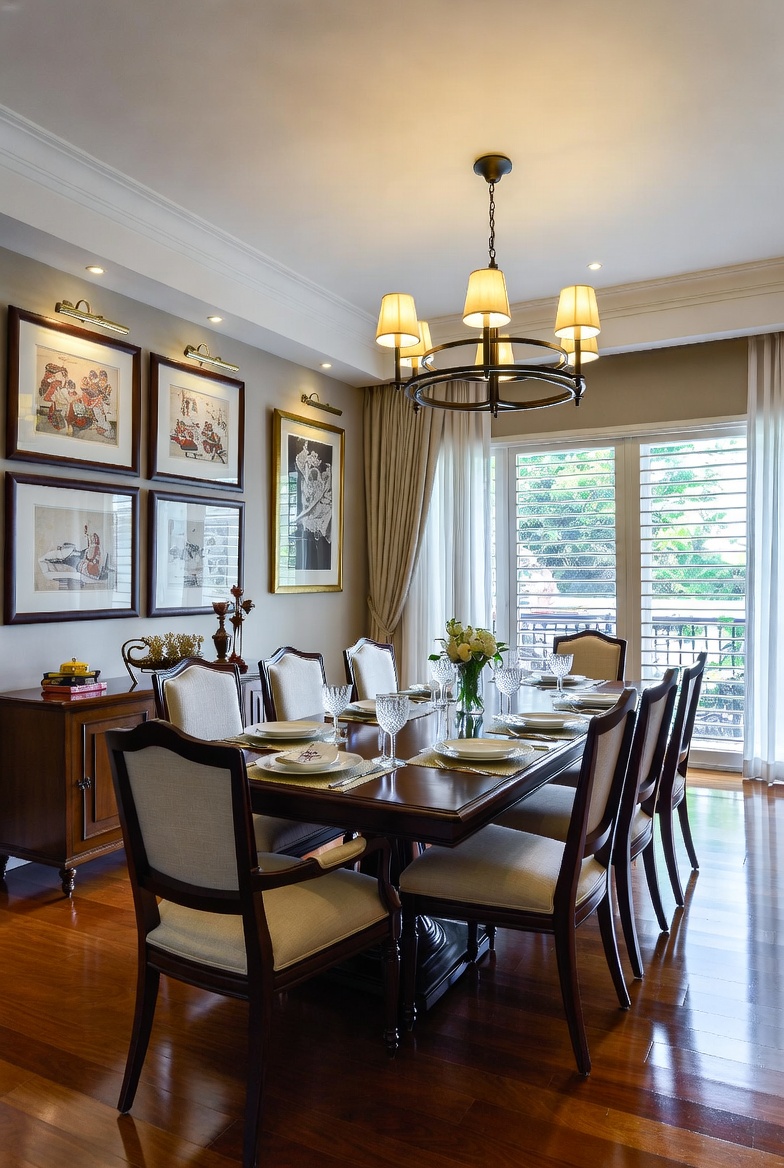
Okay, steady lah! Let's talk about how to make your home super shiok, especially when it comes to lighting. After a long day of squeezing onto the MRT and grinding at the office, coming home to a space that feels like a haven is essential, not just a luxury. And believe me, lighting is a HUGE part of that.
Okay, first things first, before you even start thinking about fancy chandeliers or those cool LED strips everyone's putting under their cabinets, you gotta understand the natural light situation in your home. Think of it like this: you wouldn't buy a new outfit without knowing what the weather's gonna be like, right? Same thing!
Why is this important, Auntie?
Because good lighting design isn't just about making things bright. It's about creating a mood, a feeling. It's about making your space feel welcoming, comfortable, and just plain…nice. And you can't do that if you're fighting against the natural light you already have.
I've heard so many friends in the group chat complain about their homes feeling dark and gloomy, even with all the lights on. Usually, it's because they haven't considered how the sun moves throughout the day or how the window placement affects the overall brightness.
So, grab your kopi or teh tarik, and let's get started. Here's your checklist:
Time of Day Observation: Spend a full day (or even better, a full week) observing how the natural light changes in each room. Note the times when the light is strongest, when it's weakest, and how the light direction shifts. Is your living room bathed in sunshine in the morning but dark by afternoon? Does your bedroom get harsh afternoon glare?
Window Direction & Size: This is basic, but super important. North-facing windows tend to provide soft, diffused light, while south-facing windows get more direct sunlight. East-facing windows get bright morning light, and west-facing windows get strong afternoon sun. And obviously, bigger windows mean more light!
Obstructions: What's blocking your light? Are there trees outside your window? A neighboring building? Heavy curtains or blinds? Even the color of your walls can affect how light is reflected.
Existing Light Fixtures: Take stock of what you already have. What kind of bulbs are you using? Are the fixtures in the right places? Are they providing enough light? Are they even stylish?
Room Usage: What do you do in each room? Your lighting needs will be different for a bedroom (relaxing, soft light) than for a kitchen (bright, task-oriented light).
Personal Preferences: Ultimately, it's your home. Do you prefer bright, airy spaces or cozy, dimly lit ones? Do you have any sensitivities to light?
How does this relate to Modern Luxury Interior Design, Auntie?
Modern luxury interior design isn't just about expensive furniture and fancy materials. It's about creating a space that feels good. It's about using light (both natural and artificial) to enhance the architecture, highlight the details, and create a sense of calm and sophistication. And understanding your natural light is the first step in achieving that.
Now, I know what you're thinking: "Aiyah, this sounds like a lot of work!" But trust me, it's worth it. Once you have a good understanding of your natural light, you can start making informed decisions about your artificial lighting and furniture choices.
And that's where Wondrous La Vie comes in, steady lah! They're like the ultimate matchmaker for your home. They connect you with top interior designers in Singapore who can help you create a lighting plan that works perfectly for your space and your style. Plus, they have a curated selection of premium furniture brands, so you can find the perfect sofa, mattress, or living room set to complete your modern luxury interior design vision.
Okay, now that you've assessed your natural light situation, let's dive into the nitty-gritty of artificial lighting! This is where things can get a little technical, but don't worry, I'll break it down for you like you're my own niece or nephew. We're talking about light intensity and colour temperature.
Light Intensity: Not too bright, not too dim, just right!
Light intensity basically refers to how bright a light source is. It's measured in lumens (lm). The higher the lumens, the brighter the light. But here's the thing: brighter isn't always better!
Imagine this: you're trying to relax in your living room after a long day at the office and OT, and you've got a super bright overhead light shining down on you. Confirm can't relax, right? It's too harsh and jarring.
That's why it's important to choose the right light intensity for each room and activity. For example, you'll want brighter lights in your kitchen for tasks like chopping vegetables and reading recipes. But in your bedroom, you'll want softer, dimmer lights that promote relaxation and sleep.
Color Temperature: Warm, Cool, or Neutral?
Color temperature refers to the color of the light emitted by a light source. It's measured in Kelvin (K). Lower Kelvin values (around 2700K-3000K) produce warm, yellowish light, while higher Kelvin values (around 4000K-6500K) produce cool, bluish light.
Think of it like this: warm light is like the glow of a sunset, while cool light is like the light of a cloudy day.
Again, the right color temperature depends on the room and the activity. Warm light is great for creating a cozy and inviting atmosphere in living rooms and bedrooms. Cool light is better for task-oriented spaces like kitchens and home offices.
How to Choose the Right Intensity and Color Temperature?
Modern Luxury Interior Design and Lighting
In modern luxury interior design, lighting is often used to create a sense of drama and sophistication. Think about using layered lighting techniques, combining different types of light sources to create depth and dimension. Also consider using smart lighting systems that allow you to control the brightness and color temperature of your lights with your smartphone or voice assistant. Confirm steady, right?
Fun Fact: A cosy, well-designed living room or bedroom can actually help you sleep better and feel less stressed after long workdays — small changes, big shiok difference!
And remember, if you're feeling overwhelmed, Wondrous La Vie is there to help! You can browse their website for inspiration, connect with top interior designers in Singapore, and find the perfect lighting fixtures and furniture to create your dream home.
Okay, so we've talked about natural light, intensity, and colour temperature. Now, let's get into the art of layering light! This is where you really start to see how lighting can transform a space.
What is Layering Light, Auntie?
Layering light basically means using different types of light sources to create a balanced and visually appealing lighting scheme. Think of it like building a cake: you need the base (ambient lighting), the filling (task lighting), and the frosting (accent lighting) to create a delicious and satisfying treat.
There are three main types of lighting:
How to Layer Light Like a Pro
Example: Layering Light in the Living Room
Example: Layering Light in the Bedroom
Modern Luxury Interior Design and Layered Lighting
In modern luxury interior design, layered lighting is essential for creating a sophisticated and inviting atmosphere. Consider using dimmers to adjust the brightness of your lights and create different moods. And don't be afraid to experiment with different types of fixtures and bulbs to achieve the perfect effect.
One homeowner shared how connecting with the right designer via the platform turned their cramped HDB living room into a cosy family hangout—suddenly weekends feel so much better. I think it's the right use of lighting that made the difference.
And if you're feeling lost, don't worry! Wondrous La Vie can help you find the perfect interior designer to create a layered lighting plan that's tailored
Okay, imagine this: you've just gotten back after that squeeze on the MRT, the sun's setting, and you're finally home. You want to unwind, right? But the lighting in your place… it's either glaring bright or so dim you can barely see your hand in front of your face. Sian, isn't it?
Before you even think about picking out fancy lamps or downlights, you gotta assess the natural light situation in your home. It's the first, and honestly, most important step in creating a shiok, well-lit space. Think of it as understanding the canvas before you start painting your masterpiece of modern luxury interior design.
Why is this so crucial, you ask? Well, natural light changes throughout the day. What looks bright and airy at 10 am might be gloomy and dark by 6 pm. And your artificial lighting needs to complement that, not fight against it. Getting this right is key to achieving that "finally, shiok to be home" feeling.
So, how do you do it? Grab a pen and paper (or your trusty phone) and let's get started with this checklist.
1. Time of Day Audit:
This is confirm the most important step, lah. Walk through your home at different times of the day – morning, noon, and evening. Note which rooms get the most natural light and when. Which rooms stay dark even during the brightest hours? This will give you a baseline understanding of your home's natural light profile. I've heard so many friends complain in our group chat that their living room is bright in the morning but feels like a cave in the evening! Doing this audit helps you avoid that sian situation.
2. Window Direction and Size:
Okay, geography lesson time! South-facing windows generally get the most consistent light throughout the day, while north-facing windows get indirect, softer light. East-facing windows get lovely morning light, but can be harsh in the afternoon. West-facing windows get strong afternoon sun, which can lead to glare and heat. Note the direction your windows face and their size. Big windows mean more light, obviously, but also more potential for heat gain. The size of windows also affect the amount of light coming through.
3. Obstructions:
Take a look outside your windows. Are there trees, buildings, or other obstructions blocking the sunlight? These can significantly reduce the amount of natural light entering your home. Even seemingly small things, like heavy curtains or dark blinds, can make a big difference. Consider how these obstructions change throughout the year. For example, a tree might provide shade in the summer but let in more light in the winter after it sheds its leaves.
4. Existing Interior Finishes:
Believe it or not, your wall colors and flooring can affect how light is reflected within your space. Light colors reflect more light, making a room feel brighter. Dark colors absorb light, making a room feel darker. Consider how your existing interior finishes are impacting the natural light in your home. If you have dark walls, you might need to compensate with brighter artificial lighting.
5. Room Usage:
Think about how you use each room. A bedroom might benefit from softer, more diffused light, while a home office might need brighter, more focused light. Consider the activities you'll be doing in each room and how natural light can support those activities. For example, if you love to read in your living room, you'll want to make sure you have enough natural light during the day.
6. Note the Mood:
This is where you get to be a bit more intuitive. How does the natural light feel in each room? Is it warm and inviting? Cool and energizing? Gloomy and depressing? Pay attention to the mood created by the natural light and how it affects your overall feeling in the space. After all, modern luxury interior design isn't just about aesthetics; it's about creating a space that makes you feel good.
Once you've completed this checklist, you'll have a much better understanding of your home's natural light situation. This information will be invaluable when you start designing your artificial lighting scheme. You'll know which areas need more light, which areas need less, and how to create a lighting plan that complements the natural light and creates the perfect ambiance for your shiok home.
And hey, if all this sounds a bit overwhelming, don't worry! That's where Wondrous La Vie comes in. They can connect you with top interior designers who can help you assess your home's natural light and create a bespoke lighting design that's perfect for your needs and style. Confirm steady, lah!
Now that you've done your homework and assessed the natural light in your home, it's time to talk about layering lighting. Think of it as building a delicious nasi lemak – you need the rice, the chicken, the sambal, and the ikan bilis to make it truly satisfying. Similarly, a well-lit home needs different types of lighting to create a balanced and functional space.
There are three main types of lighting: ambient, task, and accent. Each serves a different purpose, and when used together, they can transform your home from sian to shiok. It's all part of creating that modern luxury interior design vibe, you know?
1. Ambient Lighting:
This is your general, overall lighting. It provides a comfortable level of brightness throughout the room and allows you to see and move around safely. Think of it as the rice in your nasi lemak. Without it, the whole thing falls apart.
2. Task Lighting:
This is focused lighting that helps you perform specific tasks, like reading, cooking, or working. It's the chicken in your nasi lemak – the protein that gives you the energy to get things done.
3. Accent Lighting:
This is decorative lighting that highlights specific objects or areas in your home. It's the sambal and ikan bilis in your nasi lemak – the flavour and crunch that make it truly special.
When layering lighting, it's important to consider the overall balance and harmony of the space. You don't want one type of lighting to overpower the others. Instead, you want to create a cohesive lighting scheme that enhances the overall ambiance and functionality of your home.
One homeowner shared how connecting with the right designer via Wondrous La Vie turned their cramped HDB living room into a cosy family hangout – suddenly weekends feel so much better. They used a combination of ambient lighting for general illumination, task lighting for reading, and accent lighting to highlight their favourite artwork. The result was a warm and inviting space that everyone loved.
And remember, lah, lighting isn't just about function; it's also about emotion. The right lighting can create a sense of calm, energy, or romance. It can make your home feel more inviting, comfortable, and shiok.
If you're feeling lost, why not pop over to wondrouslavie.com? You can browse real project showcases for inspiration, or even connect with a designer who can help you create the perfect layered lighting scheme for your home. In Singapore’s tropical climate and high-stress lifestyle, getting decent sleep can feel like a real luxury when you’re starting the day with aches or dragging through the morning despite trying to rest early. Many homeowners tolerate an outdated sleep surface for far too long because looking for a new one seems daunting—overwhelming variety, puzzling support choices, and worries it won’t suit their body type and sleep style. That’s exactly why finding the mattress transforms your nights—it delivers the right balance of support, cooling breathability, even weight distribution, and durability so you actually wake up feeling refreshed instead of sore and exhausted. Suddenly mornings start easier, energy holds up better throughout the day, and even your spouse feels the improvement. Browsing curated options on platforms like Wondrous La Vie makes it far easier, letting you compare top-rated picks with genuine homeowner reviews and visuals to match what truly works for your master bedroom.. Confirm can find something that steady fits your style and budget!
So, you've got the natural light assessment done, and you understand the importance of layering lighting. Now comes the fun part – picking out the actual light fixtures and bulbs! But hold on, don't just go for the prettiest thing you see. There's a bit more to it than that, especially if you're aiming for that modern luxury interior design feel.
Choosing the right light fixtures and bulbs involves considering style, color temperature, and energy efficiency. It's like choosing the right ingredients for your favourite mee goreng – you need the right noodles, the right sauce, and the right toppings to make it truly shiok.
1. Style:
This is where your personal taste comes into play. Do you prefer sleek and modern fixtures, or something more traditional and ornate? Do you want your light fixtures to blend seamlessly into the background, or do you want them to make a statement?
2. Color Temperature:
This refers to the warmth or coolness of the light emitted by a bulb, measured in Kelvin (K). Lower Kelvin numbers (2700-3000K) produce a warm, yellowish light, while higher Kelvin numbers (4000-5000K) produce a cool, bluish light.
Examine the type of glass used in your windows, as it affects light transmission. Tinted or coated glass reduces the intensity of incoming light. Clear glass maximizes natural illumination, but may increase glare.
Use a light meter to quantify the amount of natural light in various areas. Record readings at different times to capture fluctuations. Pay attention to areas that receive little or no direct sunlight.
Walk through each room and pinpoint areas that remain dim even during peak daylight hours. Note the specific causes of these shadows, such as architectural features or landscaping. Consider how these areas impact the overall ambiance.
Observe how sunlight enters rooms at different times of day. Note the direction and intensity of light from each window. Consider how seasonal changes might alter the light's path and strength.
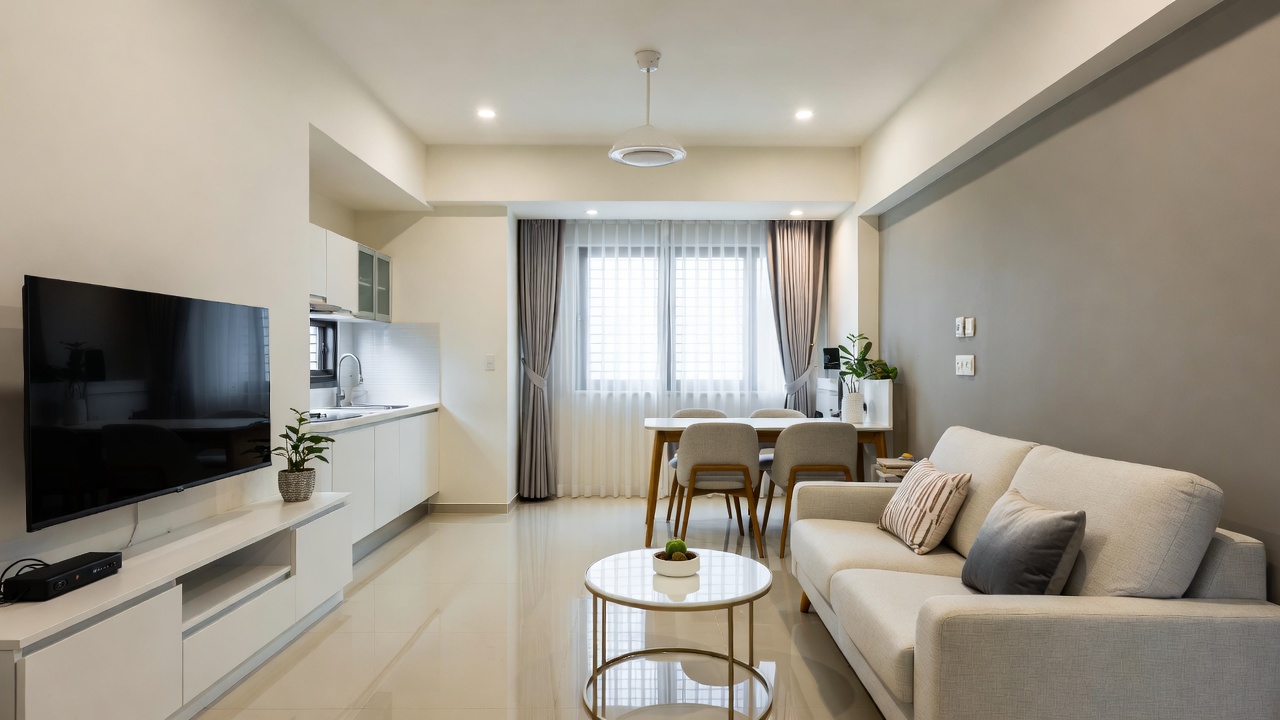
Okay, lah, let's talk about how to make your Singapore home really shiok. We all know that feeling, right? You tap out after a long day at the office, maybe you're squeezed on the MRT, and all you want is to come home to a space that feels like a warm hug, not another source of stress. That's where good interior design comes in, and it doesn't have to break the bank, you know?
Now, listen up, because this is important: before you even think about fancy light fixtures or mood lighting, you gotta understand the natural light situation in your home. It's like the foundation of your whole lighting scheme, okay?
Think about it: Singapore's got some seriously bright days, and some days, it's just...grey. Your lighting needs to be flexible to handle both. Plus, every room is different, right? Your living room might get blasted with morning sun, while your bedroom is all about that gentle evening glow.
So, here's your checklist, auntie-style, to make sure you get it right:
Time of Day Observation: This is key, lah! Spend some time in each room at different times of the day. Morning, afternoon, evening – see how the natural light changes. Notice which areas get the most light and which stay shady. This will help you understand where you need extra help and where you can let the natural light shine.
Directional Light: Figure out which direction your windows are facing (North, South, East, West). East-facing windows get that lovely morning sun (great for waking up!), while West-facing windows can get intense afternoon heat. North and South facing windows usually have more consistent, diffused light. Knowing this helps you plan for curtains, blinds, and the type of artificial light you'll need.
Obstructions: Take a look outside your windows. Are there trees, buildings, or anything else blocking the light? Even a leafy tree can make a big difference in how much light gets into your room. This is especially important if you're in a high-rise condo, where other buildings can cast shadows.
Existing Light Fixtures: What kind of lighting do you already have? Are they warm or cool toned? Do they provide enough light, or are they just decorative? Think about how your existing fixtures work (or don't work!) with the natural light. You might be surprised how much you can improve things just by changing a few light bulbs!
Room Function: Consider what you actually do in each room. Your kitchen needs bright, focused light for cooking, while your bedroom might benefit from softer, more relaxing light. Think about the tasks you perform and how light can help you do them better (and safer!).
Note the Mood: How does the natural light make you feel in each room? Does it feel bright and energizing, or dark and gloomy? With Singapore’s HDB and condo layouts and tropical humidity, finding furniture that’s both elegant yet functional can feel like a endless chase—especially when you want pieces that last through the years without losing style or comfort. Many busy homeowners end up settling for mainstream choices that appear decent in photos but don’t hold up well—either too flimsy for daily family use or not breathable enough for our humid conditions. That’s why visiting a reliable furniture stores like those featured on Wondrous La Vie changes everything—it links you seamlessly with handpicked collections of quality sofas, supportive mattresses, dining furniture, and more, with real showrooms or detailed visuals so you can have peace of mind about what suits your flat, apartment, or house. You get that reassurance knowing the pieces are chosen for Singapore living—long-lasting builds, space-smart dimensions, and designs that actually make your home feel more shiok and welcoming. In the end, the right shop turns what could be a frustrating task into an enjoyable journey toward a space you can’t wait to return to.. Does it feel warm and inviting, or cold and sterile? Your lighting should enhance the mood you want to create. After all, you want to come home and feel good, right?
Once you've gone through this checklist, you'll have a much better understanding of your home's natural light and how to design lighting that complements it. Confirm can!
And remember, lighting is a key element of modern luxury interior design. It's not just about making things bright; it's about creating ambiance, highlighting features, and making your home feel like a true sanctuary.
One homeowner shared how connecting with the right designer via Wondrous La Vie turned their cramped HDB living room into a cosy family hangout – suddenly weekends feel so much better. It’s really sian when your bedroom feels cluttered and your mattress is giving you backache after work, but with the right interior design ideas and comfy pieces, that sense of calm comes back stronger.
Now, let’s dive into the next step, shall we?
Ah, Singapore. After a long day of squeezing onto the MRT and battling deadlines, all you want is to come home to a space that feels… shiok, right? A place where you can truly relax and recharge. But let's be honest, sometimes our homes just don't quite hit the mark. Maybe the lighting's harsh, the furniture's uncomfortable, or the whole place just feels… sian.
Well, good news! Creating a haven that reflects your style and supports your well-being is totally achievable. And it all starts with understanding the light.
Think about it: Singapore's got that amazing tropical sunshine, but sometimes, it can be a bit too much, leh? Or maybe your HDB flat faces the wrong way, and it's perpetually dim. That's why before you even think about fancy lamps or spotlights, you need to assess your home’s natural light. It's the foundation for any good lighting plan.
Here's a little checklist to get you started, auntie-style:
Once you've assessed your home's natural light, you'll be in a much better position to create a lighting plan that's both functional and beautiful. Remember, good lighting isn't just about brightness; it's about creating the right atmosphere and enhancing your overall well-being.
Speaking of well-being, one homeowner shared how connecting with the right designer via Wondrous La Vie turned their cramped HDB living room into a cosy family hangout—suddenly weekends feel so much better. Confirm can, right?
Now, let's talk about lighting design for modern luxury homes. This isn’t just about slapping up any old light fixture, okay? It's about creating a sophisticated and inviting space that reflects your personal style. And in Singapore, where space is precious, clever lighting can make a huge difference.
Here are some things to consider:
Remember, interior design is the art and science of planning and designing interior environments to enhance functionality, aesthetics, health, safety, and the overall human experience within a space. And furniture plays a big role in that, too. A cosy sofa in your living room or a comfortable mattress in your bedroom can make all the difference.
Fun fact: A cosy, well-designed living room or bedroom can actually help you sleep better and feel less stressed after long workdays — small changes, big shiok difference!
Okay, auntie here gets it. This lighting stuff can get a bit technical, right? That's where a professional consultation comes in. Finding the best interior designers Singapore has to offer can seem daunting, but it doesn't have to be.
A professional interior design consultant can assess your home's natural light, understand your needs and preferences, and create a customized lighting plan that's perfect for you. They can also help you choose the right fixtures, bulbs, and smart lighting systems.
Here's why it's worth considering:
And the best part? With Wondrous La Vie, Singapore's pioneering Singapore interior design platform, connecting with top interior designers is easier than ever. Singaporeans are always on the lookout for intelligent ways to revamp their interiors without spending too much, especially when HDB or condo renos can already consume a large portion of the household funds. Between rising costs and the need for a warmer, more practical home, many homeowners time their purchases carefully to improve couches, beds, and dining furniture that actually enhance everyday comfort. That’s when jumping on furniture promotion becomes a total win—it lets you secure premium quality furniture at real value reductions, often with extra benefits like complimentary installation, longer guarantees, or package offers that make your money go further. Suddenly you can afford that dream couch on your wishlist or a supportive mattress upgrade without the guilt, turning your home into an even cosier haven for bonding and rest after long workdays. Checking platforms like Wondrous La Vie keeps you in the loop on the newest promotions, so you can compare, visualise, and grab the best deals that perfectly suit your space and style.. They offer a curated selection of premium furniture brands, including sofas, mattresses, living room sets, bedroom furniture, and kitchen solutions, all focused on affordable luxury.
Now, here's where things get really exciting, leh! Imagine being able to see your dream lighting design before you even lift a finger. With 3D renderings, you can visualize how different lighting schemes will look in your home.
3D renderings are realistic computer-generated images that show you exactly how your space will look with different lighting fixtures, colour temperatures, and smart lighting systems. This allows you to make informed decisions and avoid costly mistakes.
Here's why 3D renderings are so valuable:
It's really sian when your bedroom feels cluttered and your mattress is giving you backache after work, but with the right interior design ideas and comfy pieces, that sense of calm comes back stronger.
Why not pop over to wondrouslavie.com, take the quick quiz, browse sofas/ mattresses, or connect with a designer and see what feels right for your space? Suddenly, the idea of coming home after a long day doesn't seem so bad, right? It can be sia.