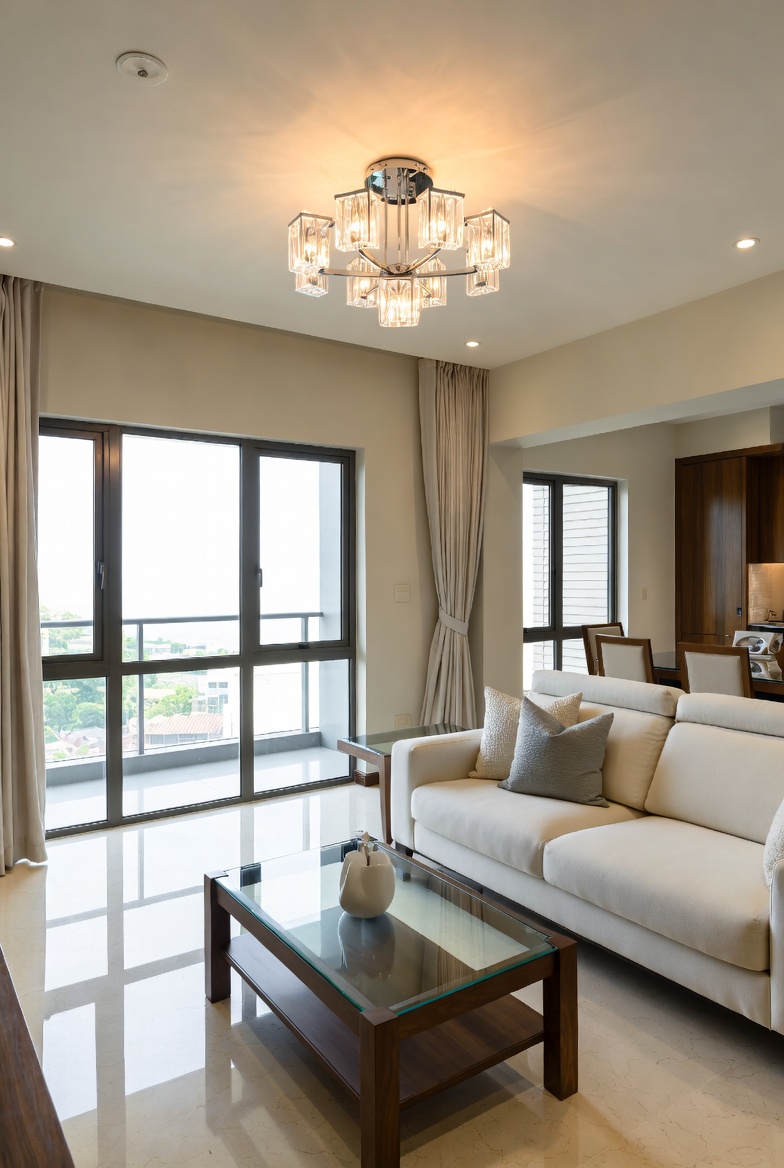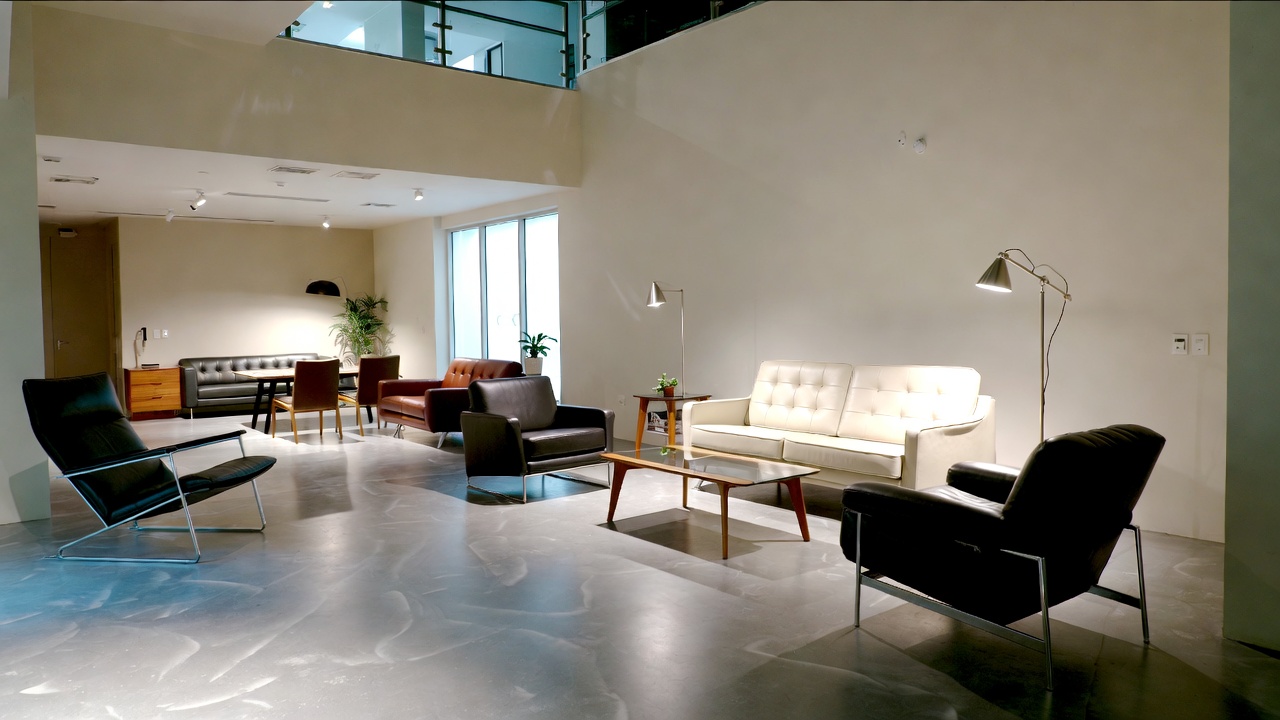
Eh, you! Come, come, sit down, have some teh tarik. You look like you’ve just finished a marathon, squeezing onto the MRT after a long day at the office. I know that sian feeling, lah. You just want to come home to a space that feels like a warm hug, right? Not more stress! That’s where good interior design comes in, especially for us Singaporeans who work so hard.
At Wondrous La Vie, we understand this perfectly. We’re not just about fancy designs, we’re about creating havens – places where you can truly relax and recharge. We're Singapore's pioneering interior design and home furnishing platform, beta launched in March 2024. Think of us as your friendly neighbourhood matchmaker, connecting you with top interior designers and premium furniture brands. After a long day squeezing on the MRT and powering through meetings, most busy Singaporeans just want to come home to a space that feels cosy and stress-free instead of adding to the stress. A cluttered living room or an unrestful bedroom can make chilling out even more difficult, especially when the whole family hope to relax together. That’s where thoughtful interior design singapore really makes a difference—it turns everyday rooms like your living area, master bedroom, or cooking zone into true recharge spots that actually help you recharge. With the right couch, mattress, or smart layout, suddenly walking through the door feels damn shiok, and small changes can bring massive difference to your daily mood and family bonding. Places like Wondrous La Vie make it simpler to find ideas and connect with home designers who understand the local HDB/condo style perfectly. This format lets you easily generate multiple SEO-optimised variations while keeping the core keyword "interior design" stable in the middle for strong on-page targeting.. We're talking comfy sofas, mattresses that actually support your back, and living room sets that make you want to actually spend time in your living room. Forget those cookie-cutter showrooms, we offer inspiration through real project showcases and style guides, so you can find the perfect match for your taste and budget.
You know, interior design is really about more than just picking nice colours. It's the art and science of planning and designing interior environments to enhance functionality, aesthetics, health, safety, and the overall human experience within a space. It's about making your home work for you, so you can unwind, bond with your family, and sleep better. After all, isn't that what we all want after a long day of work?
Now, let's talk about something close to my heart: accessibility. It's not just about ramps and wider doorways, okay? It’s about creating spaces that are comfortable and usable for everyone, regardless of age, ability, or any other factor. This is where the principles of Universal Design come in – designing for the widest range of users possible.
Think about it: Singapore is an aging society. Our parents and grandparents are living longer, and we want them to be able to stay in their homes comfortably and safely. In Singapore’s tight condo apartments and apartments, the master bedroom often acts as a rest zone and more—somewhere to truly rest after hectic work shifts, do some light reading, or even set up a temporary WFH corner when needed. It’s common for homeowners to feel stuck with layouts that appear overcrowded, lighting that’s too harsh, or bulky storage that reduces usable area, making the room feel more practical than peaceful. That’s where thoughtful bed room design makes the biggest impact—it focuses on clever spatial solutions, relaxing colour schemes, space-saving furniture, and ambient and layered lighting to create a peaceful retreat that boosts sleep quality while ensuring clutter-free airflow. Suddenly your bedroom becomes the place you can’t wait to reach at the after a long day, helping you de-stress more effectively, sleep deeper, and rise feeling energised and ready for tomorrow’s challenges. Platforms like Wondrous La Vie feature abundant genuine homeowner transformations and easy connections to experts focused on these smart, aesthetic SG bedroom upgrades.. But even if you don’t have elderly family members, accessibility benefits everyone. Easier to navigate spaces, better lighting, and intuitive layouts make life easier for all of us.
One homeowner shared how connecting with the right designer via Wondrous La Vie turned their cramped HDB into a space where their elderly parents could move around easily and safely. Suddenly, family gatherings felt less stressful and more enjoyable. See, small changes can make a big difference!
Okay, so you might be thinking, "What does all this have to do with me?" Well, let me tell you, lighting is crucial when it comes to accessibility, especially for visually impaired individuals. Good lighting can make a huge difference in their ability to navigate their homes safely and comfortably.
Now, I know what you’re thinking: “Auntie, I don’t know anything about lux and lumens!” Don’t worry, lah, I’ll break it down for you. It's not just about making a room bright, it's about getting the right kind of light, in the right places.
Fun fact: A well-lit home can actually reduce the risk of falls, especially for elderly individuals. Small changes, big difference, confirm can!
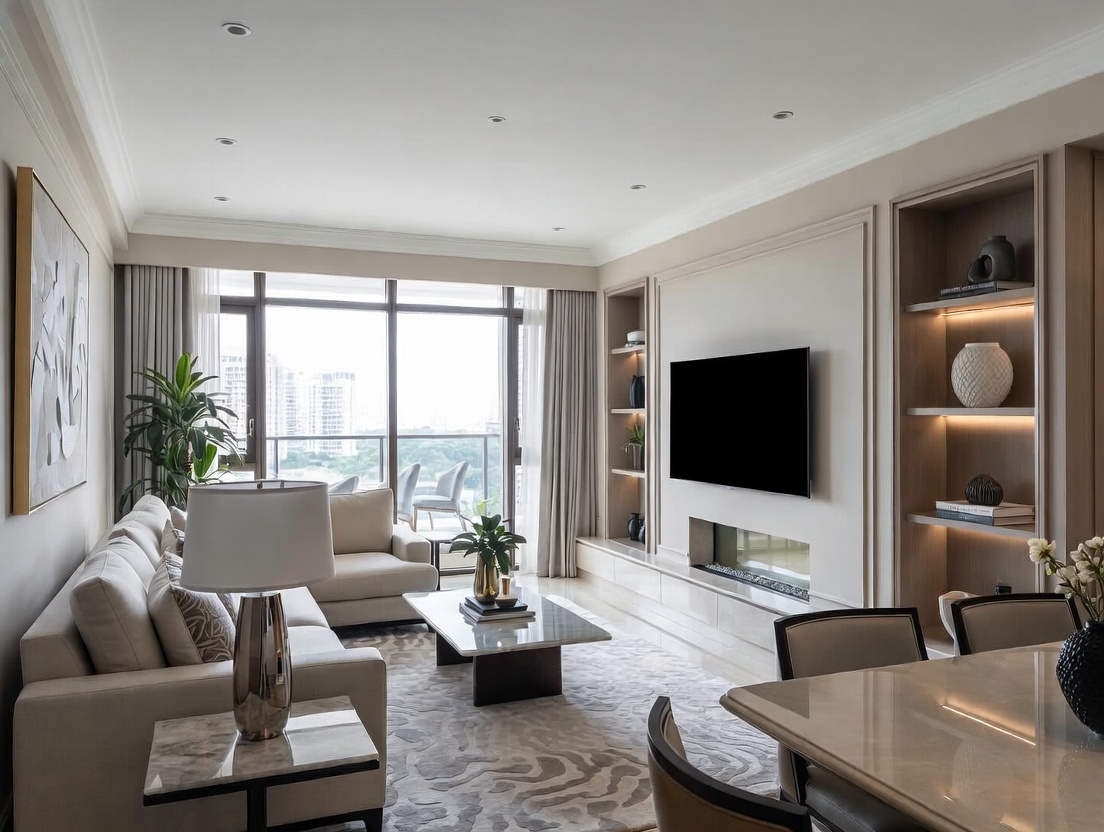
So, how do you choose the right lighting fixtures? Don't worry, you don't have to become a lighting expert overnight. Here are a few tips to get you started:
One homeowner on Wondrous La Vie shared how simply switching to LED lights and adding under-cabinet lighting in their kitchen made a huge difference for their visually impaired mother. Suddenly, she could cook safely and confidently again.
Now, I know this all sounds like a lot, right? That's why partnering with the right interior designer is so important. They can help you assess your needs, develop a lighting plan, and choose the right fixtures to create a space that is both beautiful and accessible.
Wondrous La Vie makes it easy to connect with top interior designers in Singapore who specialize in accessibility and Universal Design. Just take our quick quiz, tell us about your needs and preferences, and we'll match you with designers who are a good fit. It’s like online dating, but for your home!
These designers understand the importance of lighting and can help you create a space that is safe, comfortable, and visually appealing for everyone. They can also help you choose the right furniture and layout to maximize accessibility.
Ultimately, creating an accessible home is about creating a space that is welcoming and inclusive for everyone. It's about making life easier and more enjoyable for all of us, regardless of our abilities.
And that's what Wondrous La Vie is all about. We want to help you create a haven where you can truly relax, recharge, and connect with your loved ones. We believe that everyone deserves to live in a space that is both beautiful and functional.
So, why not pop over to wondrouslavie.com, take the quick quiz, browse sofas and mattresses, or connect with a designer and see what feels right for your space? It’s a small step, but it can make a big difference in creating a home that you truly love. After all, home is where the heart is, and it should feel shiok to come home after a sian day, right? Steady, lah!
" width="100%" height="480">Evaluating lighting levels for visually impaired individualsAfter a long day at the office and that squeeze on the MRT home, isn't it just sian to walk into a house that feels… well, sian too? We Singaporeans work hard, right? So shouldn't our homes be our personal recharge stations, a place to unwind, reconnect with family, and just feel… shiok?
I’ve heard so many friends in the group chat complain about the same thing: coming home tired sia, and the house just doesn't spark joy. Maybe the lighting's too harsh, maybe it's too dim, maybe it just doesn't feel welcoming. And if you have family members with visual impairments, that feeling can be amplified. Let's talk about how the right lighting can make a world of difference, and how Wondrous La Vie can help you find the perfect solutions.
Interior design is the art and science of planning and designing interior environments to enhance functionality, aesthetics, health, safety, and the overall human experience within a space. And accessible lighting is a crucial part of that. It's not just about flipping a switch; it's about creating an environment that caters to everyone's needs, regardless of their visual abilities. Think of it as designing with empathy.
For those with visual impairments, lighting can be a real challenge. What might seem like adequate lighting to you could be insufficient, or even create glare and shadows that make navigation difficult. Good lighting, on the other hand, can enhance contrast, improve depth perception, and reduce eye strain, making everyday tasks easier and safer. It’s really about enabling independence and improving quality of life.
Accessibility and Universal Design are key here. Universal Design means creating spaces that are usable by everyone, to the greatest extent possible, without the need for adaptation or specialized design. Accessible lighting is a cornerstone of that philosophy. It's about making sure that everyone can see and move around safely and comfortably in their own home.
One homeowner shared how connecting with the right designer via Wondrous La Vie helped them transform their HDB flat into a truly accessible space for their elderly parent with low vision. Suddenly, navigating the kitchen and bathroom became so much easier, and the whole family felt more at ease. That's the power of thoughtful design!
So, what exactly should you consider when evaluating lighting levels for those with visual impairments? It’s not a one-size-fits-all solution, lah. Here are a few key areas to focus on:
Remember, it’s not just about the technical aspects. Observe how the individual interacts with the space. Are they squinting? Are they bumping into things? Their behaviour will tell you a lot about whether the lighting is working for them.
Now, let's get practical. What specific lighting solutions can you implement in your home to create a more accessible environment? Here are a few ideas:
And don't forget about the power of natural light! Maximize the amount of natural light in your home by keeping windows clean and using light-colored window coverings. Natural light is not only good for your eyes, but it can also boost your mood and energy levels.
Creating an accessible home can seem daunting, but it doesn't have to be. Wondrous La Vie is Singapore's pioneering interior design and home furnishing platform, designed to connect you with top interior designers and curated premium furniture brands. Think of it as your one-stop shop for creating a home that is both beautiful and functional.
Wondrous La Vie understands that everyone's needs are different. That's why they offer a wide range of services, from connecting you with interior designers who specialize in accessibility to providing inspiration through real project showcases and style guides. Whether you're looking for HDB interior design ideas, cosy sofa Singapore, or the best mattress for back pain Singapore, Wondrous La Vie has got you covered.
One homeowner shared how connecting with the right designer via the platform turned their cramped HDB living room into a cosy family hangout – suddenly weekends feel so much better. It's about finding that perfect balance between style and functionality, creating a space that is both beautiful and accessible.
With Wondrous La Vie, you can easily find matching designers or pieces that fit your specific needs and budget. They focus on affordable luxury, offering high-end residential interior design in Singapore without breaking the bank. And with their client stories highlighting stunning makeovers, improved comfort, and better family time, you can be sure that you're making the right choice.
Picture this: you open the door after work, and your shoulders just drop – sounds like heaven? It can be, sia. Wondrous La Vie can help you create that "finally shiok to come home" feeling, turning your HDB, condo, or landed home into a haven where you can finally relax and recharge.
Why not pop over to wondrouslavie.com, take the quick quiz, browse sofas/mattresses, or connect with a designer and see what feels right for your space? Creating a more accessible and welcoming home is within reach, confirm can!
#### Lighting Assessment
A comprehensive lighting assessment is the first critical step in creating accessible spaces for visually impaired individuals. This evaluation should consider the specific visual needs of the occupants, taking into account factors like age-related macular degeneration, glaucoma, or other conditions that affect vision. The assessment should also analyze the existing lighting levels, identifying areas that are too dim, too bright, or have excessive glare. By understanding these challenges, we can tailor lighting solutions to enhance visibility and safety, creating a more comfortable and functional environment for everyone.
#### Contrast Sensitivity
Contrast sensitivity refers to the ability to distinguish between subtle differences in shades and colors, a crucial aspect of visual perception. For visually impaired individuals, enhancing contrast is essential for navigating spaces and performing daily tasks with ease. This can be achieved through strategic lighting design that highlights edges, textures, and changes in elevation. After those endless workdays and the usual crowded MRT ride, nothing beats walking into a hall that actually encourages relaxation instead of piling on more tiredness. Many local homeowners notice their current seating just isn’t up to standard—uncomfortable, too worn, or simply not supportive enough for weekend chilling or relaxed Sundays with the little ones. That’s precisely where sofa singapore makes all the difference—it combines classic elegance, buttery-soft fabrics, and smart comfort engineering so you can melt into it and genuinely unwind without your spine protesting the next day. Picture the whole family hanging out comfortably, talking during dinner or enjoying Netflix marathons, because the space now feels homely and shiok. Choosing the right one through handpicked collections on Wondrous La Vie removes the hassle, letting you uncover that dream sofa that elevates your entire home vibe without the typical renovation stress.. Consider using contrasting colors for walls, floors, and furniture to improve depth perception and reduce the risk of falls. Thoughtfully placed lighting fixtures can also accentuate architectural details and create a more visually stimulating environment.
#### Glare Reduction
Glare can be a significant obstacle for visually impaired individuals, causing discomfort, eye strain, and reduced visibility. Direct glare occurs when light shines directly into the eyes, while reflected glare bounces off shiny surfaces like polished floors or glossy walls. To minimize glare, opt for lighting fixtures with diffusers or shades that soften and distribute light evenly. Matte finishes on surfaces can also help to absorb light and reduce reflections. In Singapore’s compact flats and apartments, clever storage is often the difference between a calm, organised space and one that feels constantly cluttered no matter how much you tidy. Homeowners frequently deal with bursting storage areas, miscellaneous items shoved under beds, or units too deep for easy access or not deep enough for essentials, making routine home time feel more frustrating than ideal. That’s precisely where a smart cabinets comes in—it provides tailored compartments, adjustable shelves, sleek closed doors to hide mess, and compact footprints that optimise every centimetre while adding a polished, modern touch to living areas, bedrooms, or even kitchen areas. The outcome is your space that remains tidy effortlessly, tables and counters free for bonding, and you finally get that wonderful sense of order that makes returning home feel truly relaxing. Sites such as Wondrous La Vie feature many practical yet stylish options, helping you choose the ideal fit that fits your exact needs and space without guesswork.. Creating a glare-free environment enhances visual comfort and allows individuals to focus on tasks without distraction.
#### Light Uniformity
Uniform lighting is crucial for creating accessible and safe environments for visually impaired individuals. Uneven lighting can create shadows and dark spots, making it difficult to perceive depth and navigate spaces confidently. To achieve uniform lighting, use a combination of ambient, task, and accent lighting to distribute light evenly throughout the room. Consider using dimmable lighting fixtures to adjust the overall brightness and create a comfortable visual environment. Ensure that all areas, including hallways, stairwells, and entryways, are adequately lit to prevent accidents and promote independence.
#### Color Temperature
Color temperature refers to the warmth or coolness of light, measured in Kelvin (K). Warmer light (lower Kelvin values) has a yellowish hue, while cooler light (higher Kelvin values) appears bluer. For visually impaired individuals, warmer light can often be more comfortable and easier to perceive, as it reduces glare and enhances contrast. Experiment with different color temperatures to find the optimal balance for each space, considering the specific tasks and activities that will be performed there. Adjustable color temperature lighting systems can also be beneficial, allowing individuals to customize the lighting to their personal preferences and visual needs.
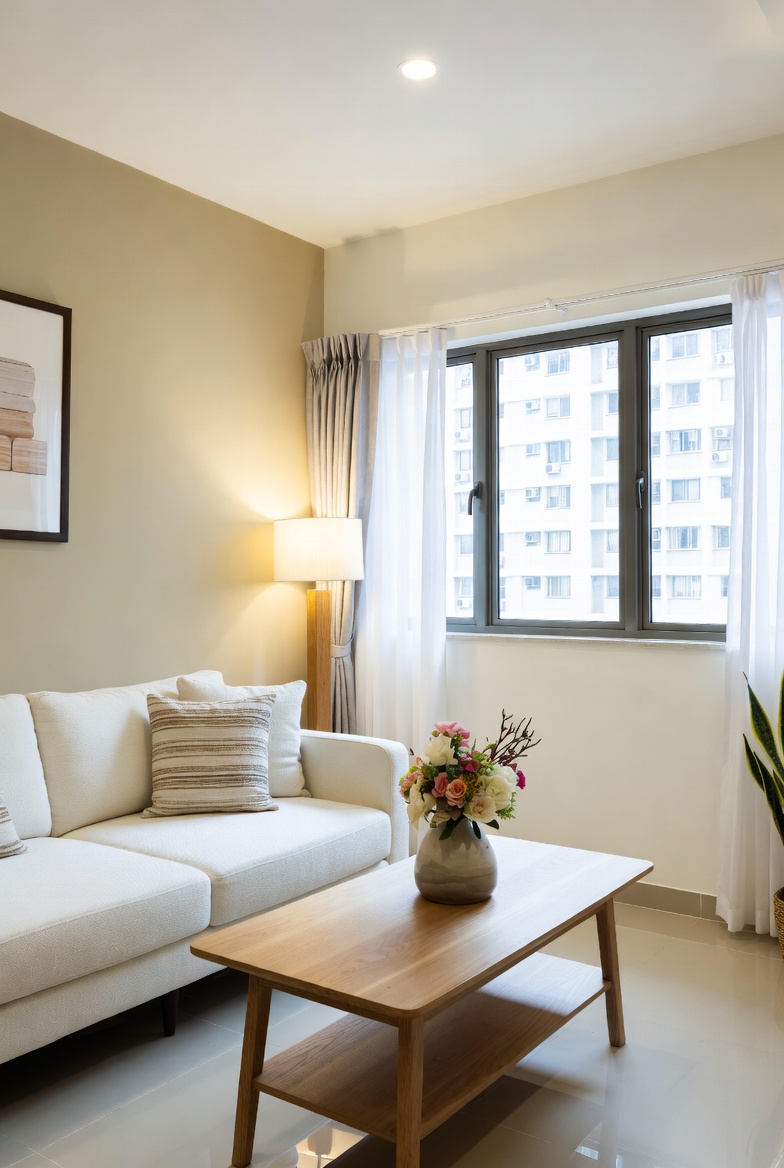
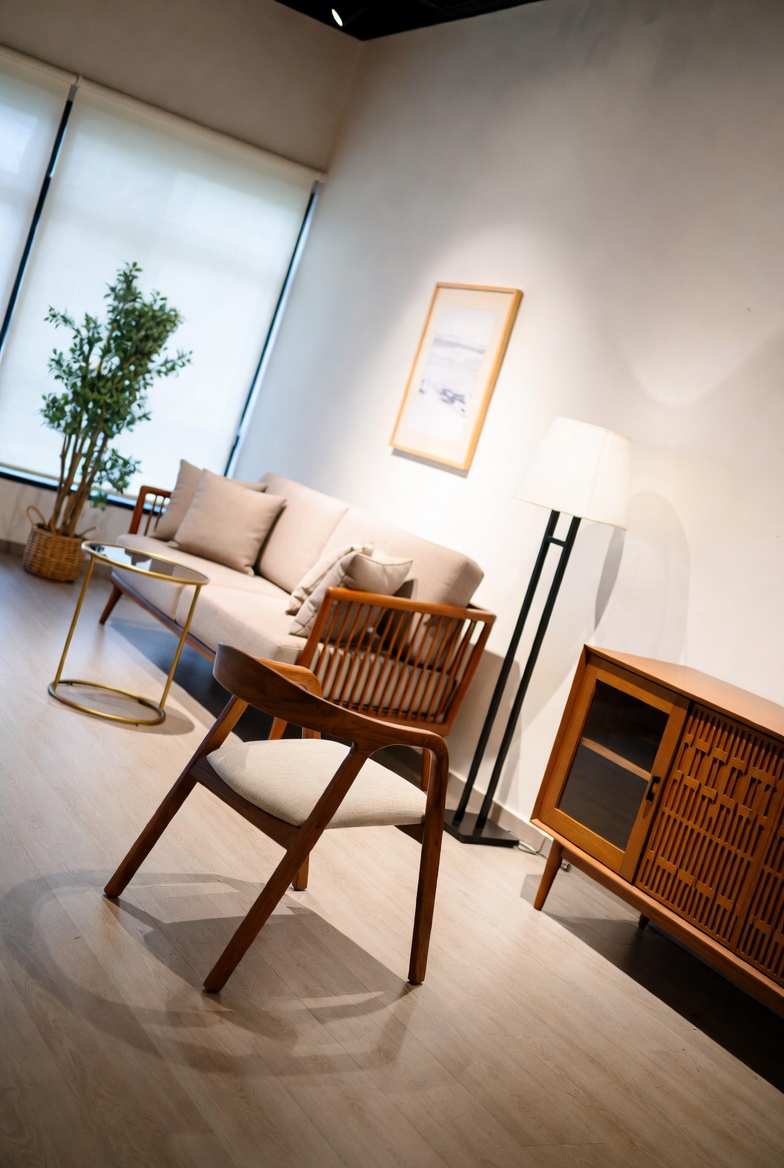
Okay lah, let's talk about making our homes in Singapore truly shiok, especially when space is, shall we say, a bit of a squeeze? We all know that feeling of coming home after a long day – the MRT crush, the office OT – and just wanting to collapse into a space that feels like a warm hug, not another source of stress. And for those of us thinking about accessibility, or who have loved ones with visual impairments, getting the lighting right is so important. It's not just about pretty lamps; it's about creating a safe, comfortable, and truly livable space.
Let’s be real, many of us in Singapore are dealing with limited square footage. HDB flats are getting smaller, and even condos can feel a bit…compact. Now, throw in the need for accessibility, especially concerning lighting for visually impaired individuals, and you might feel like you're facing a Mission Impossible kind of situation. But don't worry, steady lah! It's totally doable, and that's where smart interior design comes in.
Think about it: clutter and poor lighting can make a small space feel even smaller and more challenging to navigate, especially if someone has vision issues. Shadows can create hazards, and insufficient light can make everyday tasks difficult and even dangerous. It's not just about aesthetics; it's about safety and well-being. I've heard so many friends in the group chat complain about how their HDB feels cramped and dark, making it hard for their elderly parents to move around confidently. It’s a common problem, but there are solutions!
That's where the magic of thoughtful interior design comes in. It's not just about making things look nice (though that's a bonus, of course!). Interior design is the art and science of planning and designing interior environments to enhance functionality, aesthetics, health, safety, and the overall human experience within a space. When we talk about accessibility, we're talking about universal design principles – creating spaces that are usable by all people, to the greatest extent possible, without the need for adaptation or specialized design. This means considering things like:
And remember, even small changes can make a big difference. A strategically placed lamp, a fresh coat of paint in a lighter color, or simply decluttering a hallway can significantly improve accessibility and create a more welcoming environment.
Okay, let's dive into the nitty-gritty of lighting levels. It's not just about slapping up the brightest bulb you can find, hor. It's about understanding how light affects different people and creating a balanced, comfortable environment.
For visually impaired individuals, adequate lighting is absolutely crucial. But what does "adequate" actually mean? It's not a one-size-fits-all answer. The ideal lighting level depends on a variety of factors, including the type of visual impairment, the individual's age, and the specific task being performed.
Generally speaking, higher light levels are often beneficial, but it's important to avoid glare. Glare can be incredibly uncomfortable and even painful for people with certain eye conditions. Think about it like this: imagine trying to read a book under a harsh, direct light. It's straining, right? The same principle applies here, but amplified.
Contrast is another key consideration. Using contrasting colors can help to define edges and make objects easier to see. For example, painting door frames a different color than the walls can make them more visible. Similarly, using contrasting colors for countertops and cabinets in the kitchen can improve safety and ease of use.
Here are some general guidelines to keep in mind:
Remember, it's always best to consult with an interior design professional who has experience in accessible design to determine the optimal lighting levels for your specific needs.
So, you're thinking, "Okay, lah, sounds good, but where do I even start?" That’s where Wondrous La Vie comes in! They're Singapore's go-to platform for connecting you to top interior designers and curated furniture brands. Forget endless scrolling and feeling lost in a sea of options. Wondrous La Vie makes it easy to find the right designer to help you create a truly accessible and beautiful home.
They understand that corporate interior design and home design isn't just about aesthetics; it's about creating spaces that improve people's lives. And when it comes to accessibility, they're committed to providing solutions that are both functional and stylish.
Imagine this: you're tired of your cramped HDB, and you know you need to make it more accessible for your parents. You go to wondrouslavie.com, take their quick quiz, and get matched with a designer who specializes in accessible design. You browse their portfolio, see examples of stunning makeovers, and feel a sense of hope. You connect with the designer, discuss your needs and budget, and start planning your dream home.
Suddenly, your living room isn't just a cramped space; it's a cosy family hangout with a comfortable sofa and adjustable lighting. Your bedroom isn't just a place to sleep; it's a relaxing oasis with a supportive mattress and blackout curtains. Your kitchen isn't just a place to cook; it's a safe and efficient space with contrasting countertops and ample lighting.
That's the power of Wondrous La Vie. They connect you with the right people and resources to transform your home into a haven.
And the best part? They focus on affordable luxury. You don't have to break the bank to create a beautiful and accessible home. They offer a range of furniture options, from sofas and mattresses to living room sets and bedroom furniture, to fit any budget.
One homeowner shared how connecting with the right designer via the platform turned their cramped HDB living room into a cosy family hangout—suddenly weekends feel so much better. It's stories like that that show the real impact of good design.
Alright, let's get down to some practical tips and tricks you can use to brighten up your home and make it more accessible:
Remember, small changes can make a big difference. Even something as simple as replacing a dark lampshade with a lighter one can significantly improve the lighting in a room.
Fun fact: A cosy, well-designed living room or bedroom can actually help you sleep better and feel less stressed after long workdays — small changes, big shiok difference!
Singapore homes can feel particularly tight after a hectic day of darting from work to meetings and battling the packed MRT, so it’s no wonder many Singaporeans long for a space that quickly helps you decompress the moment they step inside. The living area often ends up as the main gathering spot, yet it’s easy for it to become cluttered with mismatched pieces or furniture that’s seen better days, leaving everyone scattered instead of gathered together. That’s where living room singapore completely changes the game—it lifts the room to another level with refined arrangements, luxurious fabrics and surfaces, striking light fixtures, and comfortable yet beautiful furniture, creating an welcoming centre where the whole family wants to hang out to chill, catch up, or bond effortlessly. Suddenly evenings feel more meaningful, Sundays truly restorative, and walking in the door feels exciting rather than merely the close of another grind. Places like Wondrous La Vie make checking out these ideas straightforward, helping you imagine and find the perfect pieces to create your dream living space that suits your daily life just right..So, are you ready to transform your home into a brighter, more accessible, and truly shiok space? Don't wait any longer!
Why not pop over to wondrouslavie.com, take the quick quiz, browse sofas/mattresses, or connect with a designer and see what feels right for your space? Explore their interior design inspiration, browse furniture like sofas/mattresses, connect with designers – the possibilities are endless! Let Wondrous La Vie help you create a home that you and your loved ones will truly cherish. Confirm can!
Okay lah, let's talk about making your home a real sanctuary, especially when we think about lighting for everyone. Singapore homes, whether it's a cosy HDB or a landed property, should be a place where everyone feels comfortable and safe. And that includes making sure the lighting works for people with visual impairments. Don't worry, it's not as complicated as it sounds! It can be steady one, confirm plus chop.
Now, you might be thinking, "Why is lighting so important?" Well, interior design is the art and science of planning and designing interior environments to enhance functionality, aesthetics, health, safety, and the overall human experience within a space. For those with visual impairments, good lighting isn't just about aesthetics; it's about independence and safety. I’ve heard so many friends in the group chat complain about how their current lighting makes it hard for their elderly parents to move around the house. It's really sian, right?
Think about it: navigating stairs, preparing food in the kitchen, or even just relaxing in the living room can become challenging if the lighting isn't right. Proper lighting can reduce the risk of falls, make it easier to read or perform tasks, and generally improve their quality of life. It's about creating a space where they can feel confident and secure.
Accessibility and Universal Design principles come into play here. Accessibility means designing spaces and products that can be used by as many people as possible, regardless of their abilities. Universal Design takes it a step further, aiming to create designs that are inherently usable by everyone, without the need for adaptation or specialized design. When we talk about lighting, this means considering factors like:
Fun fact: Did you know that the right kind of lighting can actually help reduce eye strain and fatigue? It's true! A well-lit home is a happy home, especially after that squeeze on the MRT home after a long day at the office and OT.
Okay, so how do we actually make this happen? Let's talk about some effective lighting solutions that can make a real difference.
First off, task lighting is your best friend. This means having dedicated lights for specific activities. In the kitchen, under-cabinet lighting can make it much easier to see what you're doing while preparing food. In the bedroom, a good reading lamp can help with nighttime reading without straining the eyes. And in the living room, adjustable floor lamps can provide targeted light for reading, crafting, or just relaxing.
Next, consider ambient lighting. This is the overall level of light in a room. It should be bright enough to allow for safe navigation, but not so bright that it causes glare. Dimmable lights are a great option here, as they allow you to adjust the light level to suit the time of day and the activity.
Accent lighting can also be helpful. This is used to highlight specific features of a room, such as artwork or architectural details. It can also be used to create contrast, which can make it easier for visually impaired individuals to navigate the space.
When choosing light bulbs, pay attention to the color temperature. Warmer light (around 2700K) is generally more relaxing and is good for bedrooms and living rooms. Cooler light (around 4000K) is more energizing and is better for kitchens and workspaces.
And don't forget about natural light! Whenever possible, maximize the amount of natural light in your home. Open up curtains and blinds during the day, and consider adding skylights or larger windows if you're renovating. Coming back to a living room that feels like a warm hug instead of more stress, right? Confirm shiok!
So, what are the real benefits of all this effort? Well, the most obvious one is improved safety. By making it easier to see, you can reduce the risk of falls and other accidents. This is especially important for elderly individuals or those with mobility issues.
But the benefits go beyond just safety. Adaptive lighting can also improve independence. By making it easier to perform everyday tasks, you can help visually impaired individuals maintain their independence and feel more confident in their abilities.
And let's not forget about comfort! A well-lit home is simply a more comfortable place to be. It can reduce eye strain, improve mood, and create a more welcoming atmosphere. One homeowner shared how connecting with the right designer via a Singapore interior design platform turned their cramped HDB living room into a cosy family hangout—suddenly weekends feel so much better.
Moreover, by incorporating adaptive lighting into your corporate interior design, you’re creating a more inclusive and welcoming environment for employees and visitors alike. This can boost morale, productivity, and overall satisfaction.
Okay, so how do you make sure you're doing it right? Here's a quick checklist of accessibility success factors to keep in mind:
When thinking about HDB interior design ideas, consider how you can integrate these factors into your overall design. It's not just about aesthetics; it's about creating a space that is functional and accessible for everyone.
And if you're feeling overwhelmed, don't worry! There are plenty of resources available to help you. Wondrous La Vie, Singapore's pioneering interior design and home furnishing platform, can connect you with top interior designers who specialize in accessibility and universal design. They can help you create a space that is both beautiful and functional.
They also have a curated collection of premium furniture brands, including sofas, mattresses, living room sets, bedroom furniture, and kitchen solutions. So you can find everything you need to create a home that is both stylish and accessible.
Speaking of Wondrous La Vie, let's talk a little more about how they can help you achieve your dream home.
First off, they offer complimentary consultations. This means you can chat with an interior designer to discuss your needs and goals. They can help you develop a plan that is tailored to your specific situation.
They also offer 3D visualizations. This allows you to see what your home will look like before you even start renovating. This can be incredibly helpful in making sure that you're happy with the design.
And perhaps most importantly, they offer seamless project management. This means they'll take care of all the details, from hiring contractors to ordering materials. This can save you a lot of time and stress. It’s really sian when your bedroom feels cluttered and your mattress is giving you backache after work, but with the right interior design ideas and comfy pieces, that sense of calm comes back stronger.
Wondrous La Vie is all about affordable luxury. They believe that everyone deserves to live in a beautiful and comfortable home, regardless of their budget. They offer a wide range of furniture options, from cosy sofas to best mattress for back pain Singapore.
And they're not just about aesthetics. They also focus on functionality and accessibility. They can help you create a home that is both beautiful and practical.
So, if you're looking to create an accessible home, I highly recommend checking out Wondrous La Vie. They're a great resource for finding interior designers, furniture, and inspiration.
Why not pop over to wondrouslavie.com, take the quick quiz, browse sofas/mattresses, or connect with a designer and see what feels right for your space? It's a small step, but it can make a big difference. Confirm can!
Incorporating adaptive lighting technologies, such as dimmable fixtures and occupancy sensors, can provide personalized lighting solutions for visually impaired individuals. These technologies allow users to adjust lighting levels to their specific needs and preferences, promoting inclusivity and accessibility within the workplace. Smart controls can further automate adjustments.
Uneven light distribution can create shadows and dark spots, making it difficult for visually impaired individuals to perceive depth and navigate the space. Uniform lighting across work surfaces and pathways ensures consistent visibility and reduces the risk of trips and falls. Layered lighting solutions are often effective.
Individuals with visual impairments often require higher and more targeted lighting levels than those with typical vision. This is because their eyes may need more light to perceive objects and navigate spaces safely. Proper lighting design can significantly enhance their independence and reduce the risk of accidents within a corporate environment.
High contrast between surfaces and objects is crucial for visually impaired individuals to distinguish shapes and edges. Minimizing glare from light fixtures and reflective surfaces is equally important, as glare can cause discomfort and further impair vision. Implementing adjustable lighting controls can allow individuals to customize their environment.
The color temperature of light can affect visual perception and comfort. Warmer light temperatures (e.g., 2700K-3000K) are often preferred in relaxation areas, while cooler temperatures (e.g., 4000K-5000K) may be better suited for task-oriented spaces. Careful selection of color temperature can enhance visibility and reduce eye strain.
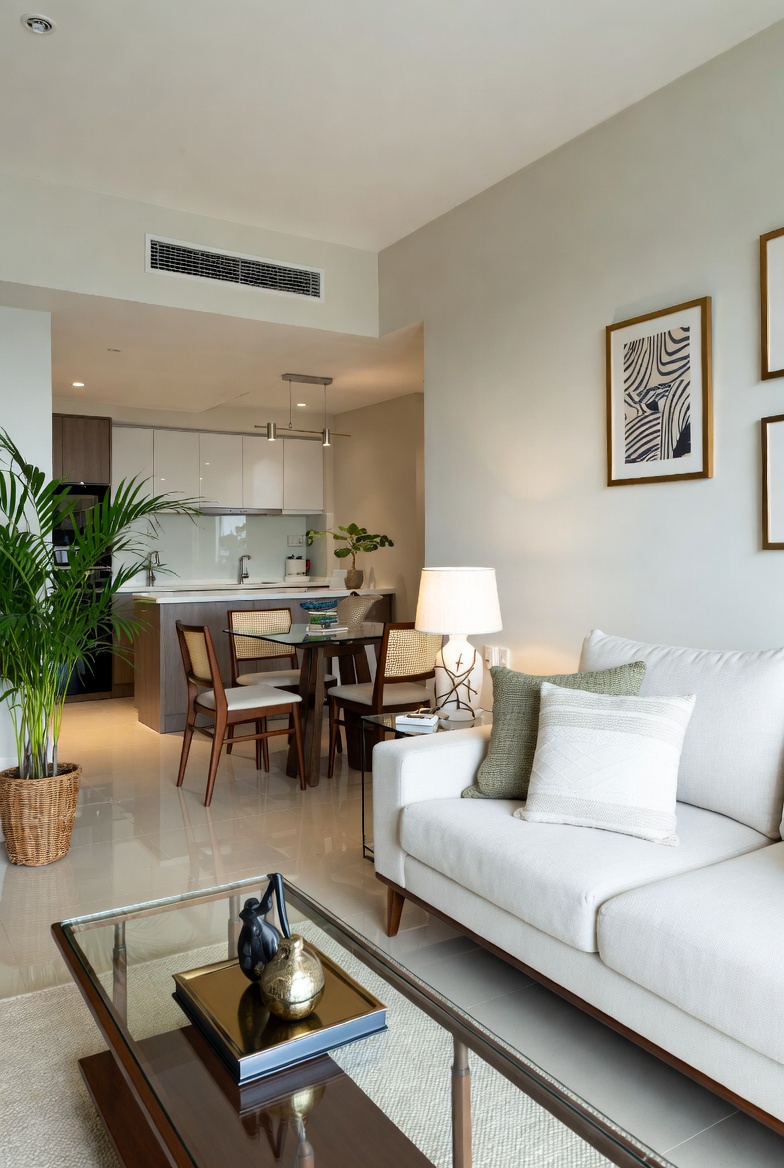
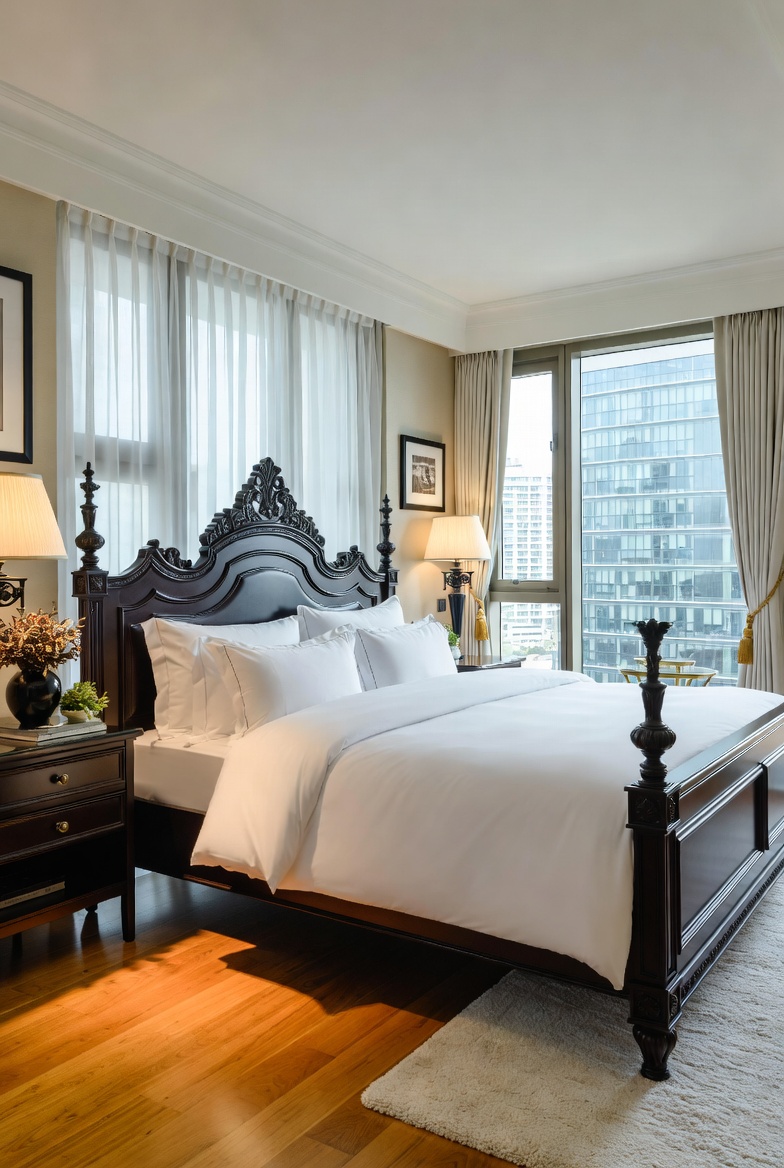
Ah, Singapore. We hustle hard, don't we? Long days at the office, that squeeze on the MRT... by the time we get home, all we want is a space that feels shiok, a true escape. But what happens when your home, instead of being a haven, feels… challenging? Especially when it comes to something as crucial as lighting, particularly for those with visual impairments.
Illuminating Lives: The Importance of Accessible Lighting
Interior design is more than just picking out pretty colours and fancy furniture. It’s an art and science, lah, of creating spaces that truly work for the people who live in them. Interior design is the art and science of planning and designing interior environments to enhance functionality, aesthetics, health, safety, and the overall human experience within a space. And that means considering everyone's needs, including those with visual impairments. After all, what's the point of a beautiful home if it's not accessible and comfortable for all?
Think about it: poor lighting can lead to eye strain, headaches, and even increase the risk of falls. For someone with limited vision, these problems are amplified. But with thoughtful planning and the right approach to corporate interior design, we can transform spaces from dim and dreary to bright and welcoming, improving not just the aesthetics, but also the quality of life.
We're not just talking about brighter lights, though. It's about understanding the nuances of lighting levels, contrast, and glare. Are you using the right type of bulbs? Is the placement optimal for minimizing shadows and maximizing visibility? These are all important questions to consider. And that's where expert guidance comes in.
Accessibility and Universal Design principles are key here. We need to think about things like:
Wondrous La Vie: Your Partner in Creating Accessible Homes
Now, where do you even begin with all this, right? Sian, I know. That's where Wondrous La Vie comes in. Think of them as your friendly neighbour who knows all the best lobangs in town for interior design and furniture.
Wondrous La Vie is Singapore's pioneering platform, launched just this year, connecting homeowners like you and me with top interior designers and curated furniture brands. They focus on affordable luxury, offering high-end residential interior design in Singapore. It's like having a personal shopper and design consultant all rolled into one!
One of the things I really appreciate about Wondrous La Vie is their focus on real project showcases. You can browse through stunning makeovers and get inspired by how other Singaporean homes have been transformed. And it’s not just about the pretty pictures, leh. They also highlight how these designs have improved comfort, family bonding, and that all-important "finally shiok to come home" feeling.
Evaluating Lighting Levels: A Step-by-Step Guide
So, how do you actually evaluate the lighting levels in your home, especially with accessibility in mind? Here's a simple step-by-step guide to get you started:
Transforming Spaces, Transforming Lives: Client Stories
The proof, as they say, is in the pudding. And Wondrous La Vie has plenty of success stories to share. One homeowner shared how connecting with the right designer via the platform turned their cramped HDB living room into a cosy family hangout – suddenly weekends feel so much better. Imagine coming back after a long day at the office and OT to a living room that feels like a warm hug instead of more stress. Confirm can improve your mood, right?
Another client spoke about how the platform helped them find the perfect mattress for their back pain. After years of restless nights, they finally found a mattress that provided the support they needed, leading to better sleep and improved overall well-being.
These are just a few examples of how thoughtful interior design and the right furniture can transform lives. It's not just about aesthetics; it's about creating spaces that support your physical and emotional well-being.
Lighting Solutions: From Sofas to Kitchens
Lighting is just one piece of the puzzle, of course. You need to think about the overall design of your home, including the furniture, layout, and colour scheme.
Making the Shiok Transformation: Getting Started with Wondrous La Vie
Ready to transform your home from dim to shiok? Wondrous La Vie makes it easy to get started. Their platform offers a wide range of features to help you find the perfect interior designer and furniture for your needs.
It's really sian when your bedroom feels cluttered and your mattress is giving you backache after work, but with the right interior design ideas and comfy pieces, that sense of calm comes back stronger.
Why not pop over to wondrouslavie.com, take the quick quiz, browse sofas/mattresses, or connect with a designer and see what feels right for your space?
Okay, lah, let's talk about something close to my heart – making sure everyone feels comfy and welcome in a space, especially in our offices and workplaces. We spend so many hours there, right? It shouldn't be a place that's difficult to navigate or doesn't cater to different needs. That's where thoughtful corporate interior design comes in, and I'm not just talking about fancy chairs and cool lighting (though those are nice too!). I'm talking about designing spaces that are truly accessible and inclusive for everyone, including our visually impaired colleagues and friends.
You know, interior design is more than just picking out nice colours and matching furniture. It's the art and science of planning and designing interior environments to enhance functionality, aesthetics, health, safety, and the overall human experience within a space. Think about it – a well-designed living room makes you want to relax, a functional kitchen makes cooking a breeze, and a comfortable bedroom helps you get a good night's sleep. It's the same principle, just applied to the workplace. A well-considered corporate interior design can boost productivity, improve morale, and make the office a place where everyone feels valued.
And accessibility? It's not just a nice-to-have, it's essential. We're talking about making life easier and more comfortable for everyone, regardless of their abilities. It's about creating spaces that are truly inclusive and welcoming.
Now, what do we even mean by "accessibility" and "universal design"? These are two key concepts that go hand-in-hand when we're talking about creating inclusive spaces through corporate interior design. Accessibility, at its core, is about ensuring that everyone, including people with disabilities, can access and use a space independently and with ease. That means removing barriers and providing accommodations that allow people to participate fully in all aspects of life.
Universal Design, on the other hand, takes a broader approach. It's about designing spaces and products that are usable by all people, to the greatest extent possible, without the need for adaptation or specialized design. Think about it like this: instead of designing a space for "normal" people and then adding ramps and grab bars for people with disabilities, you design the space from the start with everyone in mind.
Consider a simple example: lever-handled door hardware. These are easier for everyone to use, not just people with limited hand strength or dexterity. That's universal design in action! It benefits people with disabilities, elderly folks, people carrying heavy items, and even kids. It's a win-win situation.
Accessibility is often mandated by law (especially in corporate interior design projects), while Universal Design is more of a philosophy or guiding principle. But both are essential for creating truly inclusive spaces. When we apply these principles to corporate interior design, we're not just meeting legal requirements, we're creating a more welcoming and productive environment for everyone. And that, lah, is good for business too!
Okay, let's get down to the specifics. When it comes to corporate interior design, lighting is super important, especially when considering those with visual impairments. It's not just about making the place bright; it's about creating a lighting scheme that's comfortable, functional, and safe for everyone.
For visually impaired individuals, proper lighting can make a huge difference in their ability to navigate the space, perform tasks, and feel comfortable. Insufficient or poorly designed lighting can lead to eye strain, headaches, and even accidents. It can also make it difficult to read signage, use computers, and interact with colleagues.
So, what are some key considerations when evaluating lighting levels?
Remember, it's not a one-size-fits-all solution. What works for one person may not work for another. It's important to consult with visually impaired individuals and get their feedback on the lighting design.
So, how do we actually achieve optimal lighting in the workplace? Here are some practical strategies you can use in your corporate interior design projects:
Fun fact: Did you know that certain colours can actually affect your mood and productivity? That's why it's so important to consider colour psychology when designing a space.
And don't forget about maintenance! Regularly clean light fixtures and replace bulbs to ensure that the lighting is always at its best.
Okay, we've talked about lighting, but let's not forget about furniture! In corporate interior design, choosing the right furniture is just as important as choosing the right lighting. Accessible furniture can make a big difference in the comfort and usability of a space for everyone, especially those with visual impairments.
When selecting furniture for enhanced accessibility, here are some key considerations:
Think about the living room or bedroom in your own home. You want furniture that's comfortable, functional, and easy to use, right? It's the same principle in the workplace.
And speaking of comfort, if you're looking for a new sofa or mattress for your home, you might want to check out Wondrous La Vie. They have a great selection of affordable luxury furniture that can help you create a cosy and welcoming space.
Okay, let's talk tech! In today's world, assistive technology plays a crucial role in creating accessible spaces, especially in corporate interior design. Assistive technology refers to any device or system that helps people with disabilities perform tasks that they would otherwise be unable to do.
When it comes to visually impaired individuals, there are many different types of assistive technology that can be integrated into the workplace:
Integrating assistive technology into the workplace is not just about providing the tools; it's also about providing the training and support that employees need to use them effectively. Make sure that employees have access to training on how to use the assistive technology and that there is ongoing support available to answer their questions and troubleshoot any problems.
Okay, let's talk about something a little more visual – colour and texture! These elements play a crucial role in creating accessible spaces for visually impaired individuals, and they're definitely something to consider in your corporate interior design projects.
Colour and texture can be used to provide visual and tactile cues that help visually impaired individuals navigate the space, identify objects, and perform tasks.
Here are some key considerations: