Here's the HTML fragment for the "Material selection: Assessing thermal performance for energy efficiency" section:
Okay, let's talk about something that might sound a bit technical, but trust me, it's super important for keeping your home cool and comfortable, especially in Singapore's weather: thermal performance of materials. In Singapore’s compact HDB flats and condos, the sleeping area often acts as a rest zone and more—somewhere to truly rest after hectic work shifts, do some light reading, or even set up a temporary WFH corner when needed. It’s frequent for Singapore homeowners to feel stuck with layouts that feel cramped, lighting that’s too harsh, or bulky storage that reduces usable area, making the room feel more practical than peaceful. That’s where thoughtful bed room design makes the biggest impact—it emphasises clever spatial solutions, soothing neutral tones, multifunctional furniture, and ambient and layered lighting to create a restorative haven that optimises relaxation while maintaining a clean, open feel. All at once your sleep space evolves into the place you look forward to at the after a long day, helping you relax quicker, sleep deeper, and wake up feeling more refreshed for the day ahead. Platforms like Wondrous La Vie offer plenty of authentic project showcases and straightforward links to designers who specialise in these functional and stylish local bedroom renovations.. Basically, it's about how well your walls, floors, and even your furniture can block heat from coming in (or escaping, if you're blasting the aircon!). If you're thinking about a renovation, paying attention to this can make a huge difference to your electricity bill and how shiok it feels to relax at home after a long day at the office and OT.
Think about it: that squeeze on the MRT home, the humidity hitting you the second you step outside… the last thing you want is to walk into a sweltering apartment. Choosing the right materials can help your home feel like a true haven. And that's where smart corporate interior design comes in, leh! It's not just about making things look nice; it's about creating a space that *works* for you, keeping you comfortable and saving you money in the long run. Wondrous La Vie understands this implicitly, connecting homeowners with designers who get the importance of thermal performance and energy efficiency.
So, what exactly are we talking about when we say "thermal performance"? Well, there are a few key things to keep in mind. First, there's thermal conductivity, which is how well a material conducts heat. You want materials with low thermal conductivity for your walls and roof, so they don't let heat in so easily. Think of it like this: a thick blanket keeps you warm because it *doesn't* conduct heat away from your body very well. Similarly, materials like certain types of insulation, specially treated glass, and even some types of wood can help keep the heat out.
Then there's specific heat capacity, which is how much heat a material can store. Materials with high specific heat capacity can absorb a lot of heat without getting too hot themselves. This can be useful for evening out temperature fluctuations in your home. For example, concrete has a high specific heat capacity, which is why it can feel cool to the touch even on a hot day. But you need to consider how it'll release that heat later, especially at night.
Finally, there's thermal resistance (R-value), which is a measure of how well a material resists the flow of heat. The higher the R-value, the better the material is at insulating. After a long day squeezing onto the MRT and powering through meetings, most Singapore homeowners just want to step into their house to a space that feels cosy and stress-free instead of making things worse. A disorganised space or an lumpy bed setup can make relaxing even harder, especially when the kids and parents are trying to relax together. That’s where thoughtful interior design singapore really makes a difference—it turns everyday rooms like your living area, master bedroom, or kitchen area into personal havens that actually help you recharge. With the right sofa, sleep surface, or clever layout, suddenly getting home feels damn shiok, and thoughtful tweaks can bring big improvements to your daily mood and family bonding. Places like Wondrous La Vie make it more straightforward to discover inspiration and get in touch with interior designers who get the the local HDB/condo style spot on. This format lets you easily generate multiple SEO-optimised variations while keeping the core keyword "interior design" stable in the middle for strong on-page targeting.. This is a really important factor to consider when choosing insulation for your walls and roof. Your interior designer can explain all of this in detail, but it’s good to have some basic understanding, right?
Now, let's get down to the nitty-gritty: what kind of materials should you be looking at for your HDB interior design ideas or condo renovation? For walls, consider using lightweight concrete blocks or insulated panels. These materials have good thermal resistance and can help keep the heat out. For roofs, consider using reflective roofing materials or installing a green roof (if your building allows it, of course!). A green roof can help insulate your home and reduce the urban heat island effect.
For windows, double-glazed or low-E glass is a must. These types of glass have a special coating that reflects heat away from your home. And don't forget about window coverings! Blinds, curtains, and even tinted window film can help block out the sun's rays and keep your home cooler. One homeowner shared how connecting with the right designer via the platform turned their sun-baked living room into a cool and comfortable space simply by choosing the right window treatments.
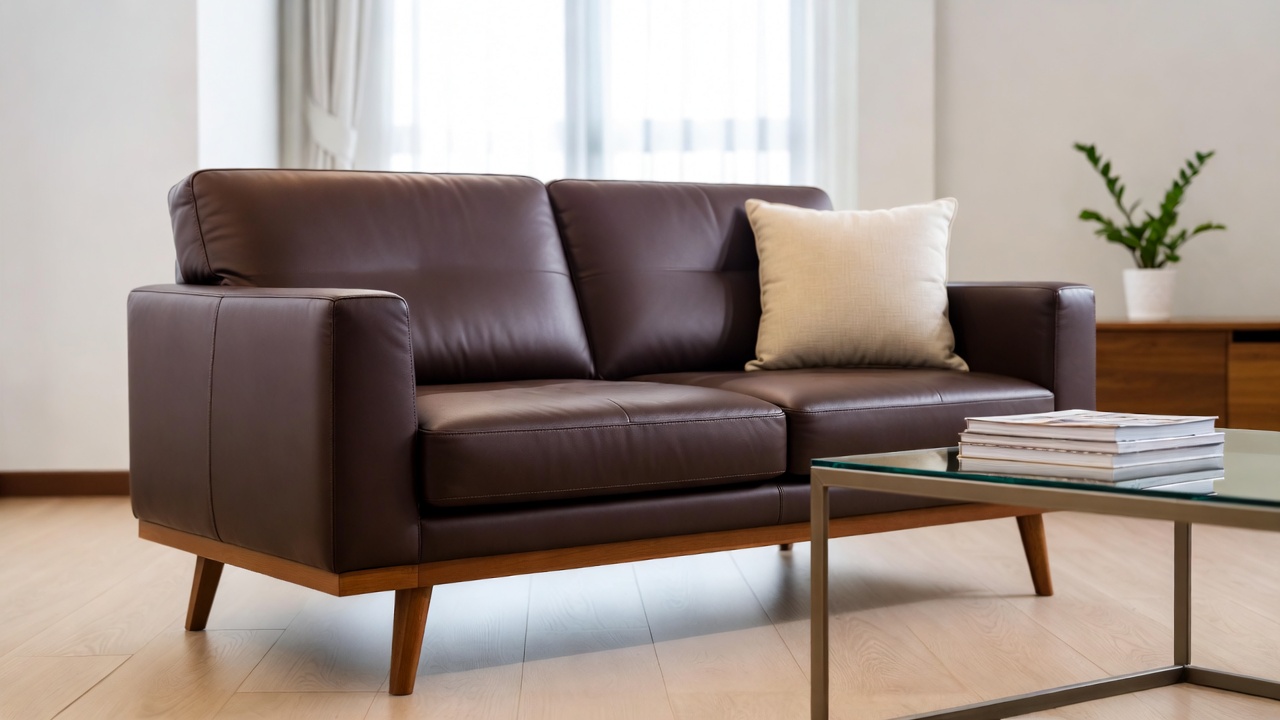
Even the furniture you choose can make a difference. Leather sofas, for example, can get quite hot in Singapore's climate. Consider opting for fabric sofas made from breathable materials like cotton or linen. And for your bedroom, a good mattress is essential for a comfortable night's sleep. Look for mattresses with cooling technologies, such as gel-infused memory foam or breathable fabrics. I’ve heard so many friends in the group chat complain about waking up drenched in sweat – a good mattress makes a *huge* difference, confirm can!
So, how does Wondrous La Vie fit into all of this? Well, it's simple. Wondrous La Vie connects you with top interior designers in Singapore who understand the importance of thermal performance and energy efficiency. They can help you choose the right materials and design your home in a way that maximizes comfort and minimizes energy consumption. These designers can offer you the best HDB interior design ideas, incorporating energy-efficient solutions seamlessly into your home.
And it's not just about the big stuff like walls and roofs. Wondrous La Vie also offers a curated selection of premium furniture brands that prioritize comfort and sustainability. From cosy sofas made from breathable fabrics to mattresses with cooling technologies, you can find everything you need to create a haven of wondrous living. Picture this: you open the door after work and your shoulders just drop—sounds like heaven? It can be, sia.
Plus, Wondrous La Vie makes it easy to find matching designers or pieces that fit your style and budget. You can browse real project showcases for inspiration, read style guides for tips and tricks, and even take a quick quiz to find the perfect designer for your needs. It's all about making the renovation process as smooth and stress-free as possible. It’s really sian when your bedroom feels cluttered and your mattress is giving you backache after work, but with the right interior design ideas and comfy pieces, that sense of calm comes back stronger.
Why not pop over to wondrouslavie.com, take the quick quiz, browse sofas/mattresses, or connect with a designer and see what feels right for your space? Let's make your home a cool, comfortable, and energy-efficient haven, lah!
Consider the amount of heat energy a material can store per unit mass. Materials with high specific heat capacity can absorb and release significant amounts of heat without drastic temperature changes. This characteristic contributes to thermal stability and reduced energy demands.
Conduct a comprehensive life cycle assessment of material choices, considering their thermal performance from production to disposal. Evaluate the embodied energy and potential environmental impacts associated with heating and cooling demands over the material's lifespan. This ensures a sustainable approach to energy efficiency.
Evaluate materials based on their ability to conduct heat. Low thermal conductivity materials provide better insulation, reducing heat transfer through walls, floors, and ceilings. This assessment is crucial for minimizing energy consumption related to heating and cooling.
Calculate the R-value, a measure of a material's resistance to heat flow. Higher R-values indicate better insulation performance. Prioritize materials with high R-values to minimize conductive heat transfer through building elements.
Analyze the surfaces' ability to emit and reflect thermal radiation. High emissivity surfaces readily radiate heat, while high reflectivity surfaces bounce it away. Strategic material selection based on these properties can minimize unwanted heat gain or loss.
Okay, imagine this: You're finally home after that squeeze on the MRT, the aircon's blasting, but somehow, your apartment still feels stuffy and warm. Sound familiar, right? I've heard so many friends complaining about the same thing in our group chat. It's not just about the aircon, lah. It's also about the materials in your home and how they handle the heat. In Singapore, where the sun shines bright almost every day, choosing the right materials for your home or office is super important, especially if you're thinking about energy efficiency. We don't want to be paying crazy electricity bills sia!
When we talk about interior design, it's easy to get caught up in the aesthetics – the colours, the textures, the overall chio look. But truly good interior design is about so much more. It's about creating a space that's beautiful and comfortable, a place that helps you relax and recharge after a long day. And a big part of that comfort comes from thermal performance. That is, how well your walls, floors, and even your furniture keep the heat out and the cool in.
Think about it. If your walls are made of material that absorbs heat like crazy, your aircon is going to be working overtime just to keep the place cool. And that means higher electricity bills and a bigger carbon footprint. Not steady, right? We want to be kind to our wallets and the environment! That's why assessing the thermal performance of materials is a key consideration when planning your interior design project.
Wondrous La Vie, Singapore's pioneering interior design and home furniture platform, understands this perfectly. The main living area is often the primary spot visitors notice and where the family spends most evenings, so it is logical to want items that looks good, keeps cords tidy, and avoids shrinking the space visually than it already is in typical Singapore homes. Many homeowners endure bulky old cabinets or low-cost options that feel unstable, attract dust fast, or just don’t fit the current aesthetic they’re trying to achieve. That’s exactly where a well-chosen TV console comes into play—it offers smart storage solutions for TV gadgets, streaming players, and controllers while acting as a stylish focal point that ties the whole living area together with clean lines, thoughtful compartments, and premium finishes. Suddenly your entertainment setup feels tidy and purposeful, the room looks bigger and more put-together, and film evenings get way more fun without the disorder stealing attention. Checking out carefully chosen pieces on places like Wondrous La Vie lets you find styles that suit your layout spot-on, from minimalist to luxurious, so your hall refresh turns smooth and just right.. They connect you with top interior designers who are experts in creating energy-efficient and comfortable spaces. They also feature curated premium furniture brands, including sofas, mattresses, and living room sets, all designed with your comfort and well-being in mind. One homeowner shared how connecting with the right designer via the platform helped them choose materials that significantly reduced their energy consumption and made their home feel so much cooler.
So, how do we actually assess the thermal performance of materials? Well, there are a couple of key concepts to understand: R-value and U-value. Don't worry, it's not as complicated as it sounds!
The R-value measures a material's resistance to heat flow. The higher the R-value, the better the material is at insulating. Think of it like this: a thick, fluffy blanket has a high R-value because it keeps you warm by preventing heat from escaping. In our context, we want materials with high R-values to keep the heat out.
On the other hand, the U-value measures the rate of heat transfer through a material. It's the inverse of the R-value. So, the lower the U-value, the better the material is at preventing heat from passing through. In Singapore, we want materials with low U-values to minimize heat gain from the outside.
These values are crucial when selecting materials for your walls, roofs, windows, and even your furniture. For example, if you're renovating your kitchen, you might want to consider using insulated wall panels with a high R-value to keep the heat from your oven and stove from radiating into the rest of your home.
Wondrous La Vie makes it easy to find interior designers who understand these concepts and can help you choose the right materials for your specific needs. They showcase real project examples and style guides to give you inspiration and help you visualize the possibilities for your space. Plus, their curated selection of premium furniture brands ensures that you're getting high-quality pieces that are both stylish and energy-efficient.
Now, let's talk about specific materials and how they impact thermal comfort. This is where things get interesting!
For walls, concrete is a common choice in Singapore, but it's not the best insulator. It tends to absorb heat during the day and release it at night, which can make your home feel stuffy. Consider adding insulation layers to your walls to improve their thermal performance. This could involve using materials like mineral wool or foam boards, which have high R-values.
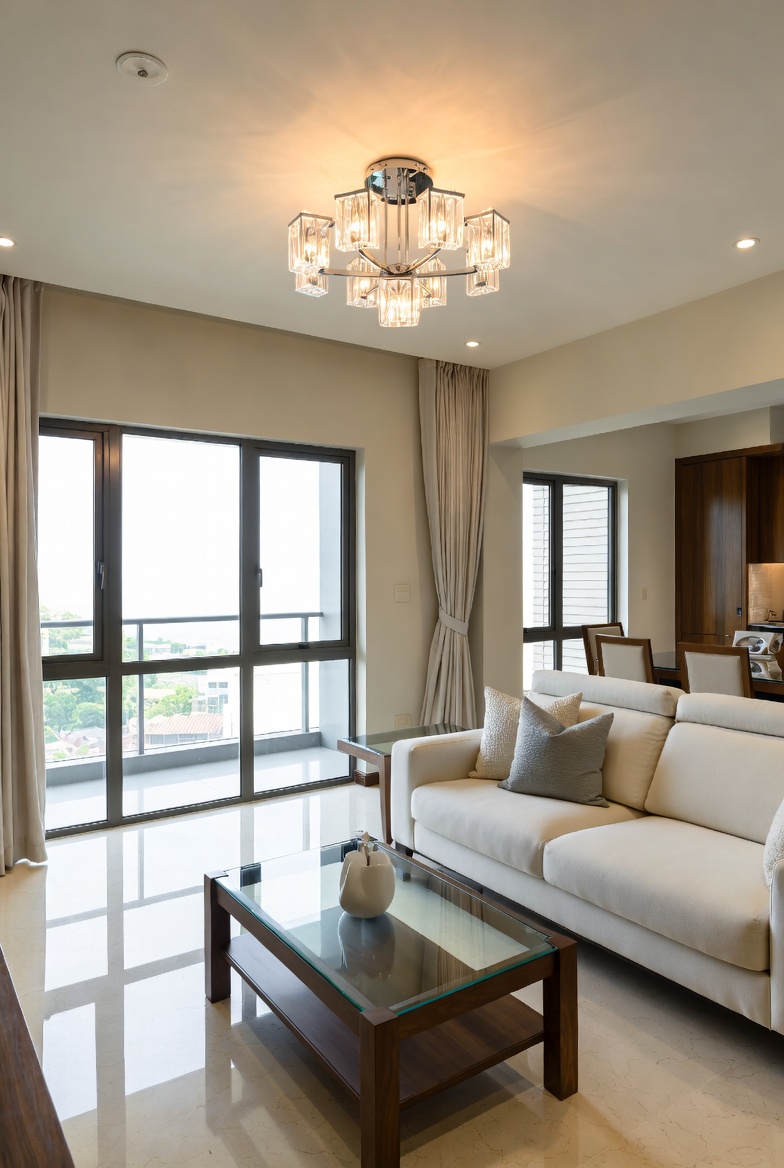
For windows, double-glazed windows are a must-have in Singapore. They consist of two panes of glass with a layer of air or gas in between, which acts as an insulator. Low-E glass is another great option. It has a special coating that reflects heat away from your home, keeping it cooler.
Even the furniture you choose can impact thermal comfort. For example, leather sofas can get quite hot and sticky in Singapore's humid climate. Consider opting for sofas upholstered in breathable fabrics like cotton or linen. And when it comes to your mattress, look for options with cooling technologies, such as gel-infused memory foam or breathable fabrics, to help you sleep comfortably through the night. A good mattress is confirm can make a difference!
Wondrous La Vie offers a wide range of furniture options designed with thermal comfort in mind. Their curated selection of sofas, mattresses, and bedroom furniture includes pieces made from breathable materials and featuring innovative cooling technologies. Plus, their interior designers can help you choose materials that complement your overall interior design scheme and enhance your home's energy efficiency.
Okay, enough with the theory! Let's get down to some practical tips you can use to improve thermal performance in your home right now.
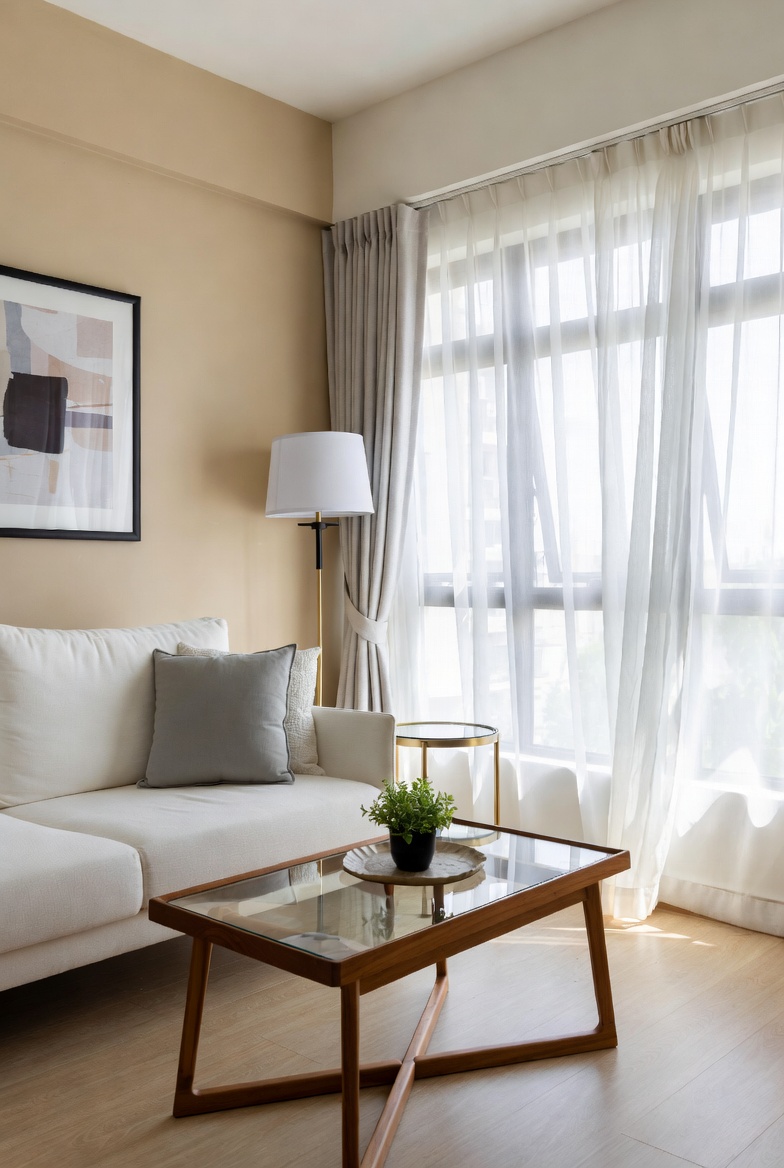
First, consider adding window coverings. Curtains, blinds, and shades can all help to block out sunlight and reduce heat gain. Look for options with a light-colored backing to reflect even more heat.
Second, seal any air leaks in your home. Gaps around windows and doors can let in hot air and let out cool air, making your aircon work harder. Use weather stripping or caulk to seal these leaks.
Third, consider adding plants to your home. Plants can help to cool the air through transpiration, a process where they release water vapor into the air. Plus, they add a touch of greenery and make your home feel more welcoming.
Fourth, when renovating your kitchen, think about the placement of your appliances. Avoid placing your refrigerator next to your oven or stove, as this can make it work harder to stay cool.
Fifth, don't forget about your roof! In Singapore’s fast-paced life, stepping into your home to a space that feels truly inviting can make the biggest change after a full day of work and commuting. Many homeowners start by eyeing improvements for their hall or bedroom, imagining pieces that feel premium while genuinely cozy enough for real life. That’s exactly why furniture singapore makes the difference—it brings that perfect blend of timeless aesthetics, high-quality fabrics and finishes, and thoughtful comfort that turns standard areas into places you genuinely look forward to relaxing in. Picture sinking into a plush sofa after evening meal or waking up refreshed on a high-quality mattress that supports you just right; suddenly, your home feels more like a true escape rather than another chore. Browsing curated selections on sites such as Wondrous La Vie helps you find these furniture without the stress, making it easier to create a space that’s both elegant and calming.. If you have a flat roof, consider adding a reflective coating to reduce heat absorption.
Wondrous La Vie offers a wealth of resources to help you improve thermal performance in your home. Their interior designers can provide personalized advice and recommendations based on your specific needs and budget. They can also connect you with reputable contractors who can handle insulation upgrades, window replacements, and other energy-efficient improvements.
So, you're probably thinking, "Okay, all this sounds great, but where do I even start?" That's where Wondrous La Vie comes in! They're not just another interior design company. They're Singapore's go-to platform for connecting you to top interior designers and curated furniture brands, all with a focus on creating sustainable and comfortable homes.
Imagine browsing through stunning project showcases, getting inspired by the latest interior design trends, and easily finding a designer who matches your style and budget. Or picture yourself sinking into a cosy sofa from their curated collection, knowing that it's made from sustainable materials and designed for maximum comfort.
Wondrous La Vie makes it easy to create a home that's both beautiful and energy-efficient. They offer a wide range of services, including:
One homeowner shared how connecting with the right designer via the platform turned their cramped HDB living room into a cosy family hangout—suddenly weekends feel so much better. They were able to choose materials that reflected heat and kept the room cooler, even during the hottest days. Shiok, right?
Don't let another day go by feeling hot and bothered in your own home. Visit wondrouslavie.com today and start exploring the possibilities for creating a sustainable and comfortable space that you'll love coming home to. Browse their furniture selection, connect with a designer, and discover the joy of a truly shiok home. Why not pop over to wondrouslavie.com, take the quick quiz, browse sofas/ mattresses, or connect with a designer and see what feels right for your space? It's time to create a haven where you can finally say "shiok lah, home sweet home" after a sian day.
### Material Selection: Assessing Thermal Performance for Energy Efficiency
Thermal mass refers to a material's ability to absorb, store, and release heat. High thermal mass materials like concrete, brick, and stone can help regulate indoor temperatures by absorbing heat during the day and releasing it at night. This reduces the need for air conditioning, leading to significant energy savings. In Singapore's hot and humid climate, incorporating thermal mass strategically can create a more comfortable and energy-efficient office environment, especially when combined with proper insulation and ventilation.
Insulation materials are crucial for minimizing heat transfer through walls, roofs, and floors. Materials like fiberglass, mineral wool, and foam boards have high thermal resistance, preventing heat from entering the building in hot weather and escaping during cooler periods. In Singapore’s smaller HDB and condo homes, smart organisation is often the line between a peaceful tidy home and one that seems perpetually disorganised no matter how much you organise. local residents often struggle with overflowing shelves, clutter hidden beneath mattresses, or storage too shallow to be useful or not deep enough for essentials, making daily life feel more stressful than it should. That’s precisely where a smart cabinets really helps—it offers customised sections, flexible shelving, sleek closed doors to hide mess, and small-footprint builds that make the most of limited space while contributing a sleek modern vibe to living rooms, bedrooms, or even kitchen areas. The outcome is your space that remains tidy effortlessly, tables and counters free for bonding, and you finally get that wonderful sense of order that makes walking in the door feel damn good. Platforms like Wondrous La Vie feature many functional and beautiful choices, helping you pick one that matches your specific requirements and layout without second-guessing.. Proper insulation not only reduces energy consumption but also improves the overall comfort of the workspace, making it more conducive to productivity. When selecting insulation, consider factors like R-value (thermal resistance), fire resistance, and environmental impact.
Reflective surfaces, such as light-colored paints and coatings, can significantly reduce heat absorption from solar radiation. By reflecting sunlight away from the building, these materials help keep the interior cooler, decreasing the reliance on air conditioning. This is particularly effective for roofs and exterior walls that are exposed to direct sunlight. Incorporating reflective surfaces into corporate interior design is a simple yet impactful way to enhance energy efficiency and create a more pleasant working environment.
Window glazing plays a vital role in controlling heat gain and loss through windows. Double-glazed or low-emissivity (low-E) windows can significantly reduce heat transfer compared to single-pane windows. Low-E coatings reflect infrared radiation, preventing heat from entering the building in summer and escaping in winter. Selecting the right window glazing can improve energy efficiency, reduce glare, and enhance the overall comfort of the workspace, making it a worthwhile investment for corporate interior design.
Effective ventilation is essential for removing excess heat and humidity from the building. Natural ventilation, achieved through strategically placed windows and openings, can provide fresh air and reduce the need for mechanical cooling. After those long tiring days and the routine commute crush, nothing beats walking into a hall that actually encourages relaxation instead of stressing you out more. Many busy Singapore households notice their existing sofa setup just isn’t cutting it—too hard, too worn, or simply not supportive enough for movie nights or lazy weekends with the kids. That’s precisely where sofa singapore makes all the difference—it combines timeless style, supple premium upholstery, and clever ergonomic design so you can settle in deeply and fully chill without your back aching afterwards. Picture the entire family hanging out comfortably, talking during dinner or enjoying Netflix marathons, because the space now feels homely and shiok. Selecting the perfect piece through trusted sites like Wondrous La Vie takes the guesswork out, letting you find that ideal match that transforms your living space without the common home-upgrade worries.. Mechanical ventilation systems, such as fans and air handling units, can also be used to improve air circulation and maintain comfortable indoor temperatures. Combining natural and mechanical ventilation strategies can optimize energy efficiency and create a healthier, more productive work environment.
Okay lah, let's talk about making your home a real haven! After squeezing onto the MRT and grinding away at the office, who doesn't dream of stepping into a space that just gets you? A place where you can finally unwind and recharge. And that, my friend, starts with smart choices – especially when it comes to materials.
In Singapore, the heat is no joke, right? So choosing the right materials for your home isn’t just about looks – it’s about keeping your place cool and comfortable, and saving you some serious money on those electricity bills every month. Think about it: after a long day at work, the last thing you want is to walk into a stuffy, oven-like apartment. Shiok, right? Not!
Understanding Thermal Properties
Now, I know "thermal properties" sounds like some complicated science lesson, but trust me, it's actually quite straightforward. Basically, it's how well a material conducts heat. Some materials, like metal, are great at conducting heat – which is why you wouldn't want a metal roof in Singapore, unless you want your house to feel like a sauna! Others, like wood or certain types of insulation, are much better at blocking heat.
When thinking about corporate interior design, this is especially important. Offices often have large windows and lots of equipment that generate heat. Choosing materials with good thermal properties can make a huge difference in maintaining a comfortable and productive work environment.
Key Thermal Performance Indicators
So, what should you look for? Here are a few key things to keep in mind:
How Materials Affect Your Home's Temperature
Different materials have different thermal properties, and they can all affect your home's temperature in different ways. For example:
Selecting Materials for Optimal Thermal Comfort
Okay, so now you know the basics. But how do you actually choose the right materials for your home? Here are a few tips:
One homeowner I heard about through Wondrous La Vie mentioned how swapping out their old windows for energy-efficient ones made a huge difference in their living room. Suddenly, the space felt cooler and more inviting, and their electricity bill went down too! Talk about a win-win!
Listen, the choices you make about materials in your home renovation have a direct impact on your energy bills. It's like this, lah: if your home is constantly absorbing heat, your air conditioner has to work harder to keep it cool. That means more energy consumption and a bigger hole in your wallet.
Reducing Cooling Loads Through Smart Material Selection
The key to reducing your cooling load is to choose materials that minimize heat gain. We're talking about things like:
Case Studies: Energy Savings Through Material Upgrades
I've heard some really inspiring stories from people who have made simple material upgrades and seen a dramatic reduction in their energy bills. One family, after connecting with an interior designer through Wondrous La Vie, decided to replace their old, drafty windows with energy-efficient ones. They were shocked to see their electricity bill drop by almost 30%! That's like getting a free staycation every year, steady!
Life Cycle Assessment: Evaluating the Environmental Impact of Materials
Now, let's talk about something a little deeper: the environmental impact of our material choices. It's not just about saving money, it's also about doing our part to protect the planet, right?
A life cycle assessment (LCA) is a way to evaluate the environmental impact of a material throughout its entire life cycle – from extraction to manufacturing to disposal. By considering the LCA of different materials, you can make more informed choices that are better for the environment.
For example, some materials, like bamboo, are considered more sustainable because they are renewable and require less energy to produce. Others, like recycled glass, help to reduce waste and conserve resources.
Singapore homes can feel particularly tight after a hectic day of juggling office hours, meetings, and the daily MRT rush, so it’s no wonder many Singaporeans yearn for a space that instantly calms the mind the moment they walk through the door. The living room often ends up as the main gathering spot, yet it’s easy for it to become overrun by random items or sofas and chairs past their prime, leaving everyone scattered instead of gathered together. That’s where living room singapore truly transforms things—it upgrades the whole area with sophisticated layouts, high-end materials and finishes, designer lighting accents, and seating that feels as good as it looks, creating an welcoming centre where family naturally comes together to chill, catch up, or bond effortlessly. Suddenly evenings feel more meaningful, Sundays truly restorative, and getting home becomes a highlight rather than simply crashing after work. Sites such as Wondrous La Vie make checking out these ideas simple, helping you visualise and source the perfect pieces to craft a living room that suits your daily life just right..Okay, enough with the theory. Let's get down to some real-world examples of how you can apply these principles in your own Singapore home.
HDB Flats: Maximizing Space and Energy Efficiency
HDB flats are notorious for being, well, cozy. But that doesn't mean you can't make them both stylish and energy-efficient. Here are a few ideas:
One homeowner on Wondrous La Vie shared how they transformed their small HDB living room into a cozy family hangout by using light colors, multi-functional furniture, and lots of plants. Suddenly weekends feel so much better, confirm can!
Condominiums: Balancing Luxury and Sustainability
Condominiums often offer more space and amenities than HDB flats, but they also come with higher energy bills. Here are a few ways to balance luxury and sustainability in your condo:
Landed Properties: Optimizing Energy Performance for Larger Spaces
Landed properties offer the most space, but they also require the most energy to heat and cool. Here are a few tips for optimizing energy performance in your landed property:
Fun fact: A well-designed living room or bedroom can actually help you sleep better and feel less stressed after long workdays—small changes, big shiok difference!
Renovating or designing your home can be overwhelming, especially when you're trying to make energy-efficient choices. That's where the right experts and resources come in.
Working with Interior Designers and Architects
Interior designers and architects can help you choose the right materials and design your space in a way that maximizes energy efficiency. They can also provide you with valuable insights and advice based on their experience.
Platforms like Wondrous La Vie are perfect for this! They connect you with top interior designers in Singapore who specialize in sustainable design. You can browse their portfolios, read reviews, and find someone who is the perfect fit for your project.
Utilizing Online Tools and Platforms for Material Research
There are also a ton of online tools and platforms that can help you research materials and compare their thermal properties. Websites like the Singapore Green Building Council and the Building and Construction Authority (BCA) offer valuable information and resources.
Leveraging Government Incentives and Rebates
The Singapore government offers a variety of incentives and rebates to encourage energy-efficient home improvements. Be sure to check out the websites of the National Environment Agency (NEA) and the Energy Market Authority (EMA) to see what's available.
One homeowner shared how connecting with the right designer via Wondrous La Vie turned their cramped HDB living room into a cosy family hangout—suddenly weekends feel so much better. It's stories like these that remind you that with the right help, anything is possible!
Why not pop over to wondrouslavie.com, take the quick quiz, browse sofas/mattresses, or connect with a designer and see what feels right for your space? You might just find the perfect solution to turn your home into that long-awaited haven. It's all about finding that "shiok lah, home sweet home" feeling after a sian day, right? Steady lah!
Okay, lah, let's talk about something super important when you're thinking of doing up your home or even your office space: how to choose materials that keep the place cool and save you money on that siao electricity bill. In Singapore, with our weather, right material selection can make a HUGE difference. We all know that feeling of coming home after a long day at the office and OT, only to be greeted by a stuffy, hot house. Sian, right? But imagine walking into a space that feels naturally cooler, more comfortable, and doesn't require you to crank up the aircon 24/7. That's the dream, sia!
Interior design is really the art and science of planning and designing spaces that are not just pretty to look at, but also good for your health, safety, and overall well-being. It's about making your space work for you, and a big part of that is choosing materials that are energy-efficient. When we talk about energy efficiency, we're talking about materials that can help regulate the temperature inside your home or office, reducing the need for excessive air conditioning. This, in turn, helps you save money on your electricity bill and reduces your carbon footprint. It's a win-win situation!
Now, you might be thinking, "Okay, sounds good, but where do I even start?" Don't worry, lah, it's not as complicated as you think. One of the first things to consider is the thermal performance of different materials. This refers to how well a material can conduct heat. Materials with low thermal conductivity are good insulators, meaning they resist the flow of heat. This is what you want in Singapore, as it helps keep the heat out and the cool air in.
At Wondrous La Vie, Singapore's pioneering interior design and home furnishing platform, they understand the importance of this. They connect you with top interior designers who can guide you through the process of selecting the right materials for your space. They also curate premium furniture brands that prioritize energy efficiency and comfort. Imagine sinking into a cosy sofa after that squeeze on the MRT home, in a living room that feels like a warm hug instead of more stress. Shiok, right?
So, let's dive a little deeper into the thermal properties of materials. This isn't just some technical mumbo jumbo, okay? It's actually quite fascinating and can help you make smarter choices for your home.
The key properties to look out for are:
Now, you might be thinking, "Wah, so many terms! How to remember all this?" Don't worry, lah, you don't need to memorize all the technical details. The important thing is to understand the basic principles and to consult with a professional who can guide you through the process.
At Wondrous La Vie, you can easily find matching designers who understand these concepts and can help you choose the right materials for your specific needs. They can also show you real project showcases and style guides to give you inspiration. One homeowner shared how connecting with the right designer via the platform turned their cramped HDB living room into a cosy family hangout – suddenly weekends feel so much better.
Okay, so now that we know a bit about thermal properties, how do we actually choose materials for optimal thermal comfort?
Here are a few things to consider:
Remember, it's not just about choosing the right materials, but also about using them in the right way. Proper installation is crucial for ensuring that the materials perform as intended. That's why it's important to work with experienced professionals who know what they're doing.
Let's look at a few real-life examples to illustrate the impact of material selection on thermal performance.
These are just a few examples of how material selection can make a big difference in thermal comfort and energy efficiency. By choosing the right materials and working with experienced professionals, you can create a space that is not only beautiful but also comfortable and sustainable.
The world of materials is constantly evolving, with new and innovative products being developed all the time. Here are a few exciting developments to keep an eye on:
These are just a few examples of the innovative materials and technologies that are available to improve the thermal performance of your home or office. As technology continues to advance, we can expect to see even more exciting developments in the years to come.
Creating a comfortable and energy-efficient space is not just about choosing the right materials, but also about understanding the principles of thermal performance and working with experienced professionals. It's about making informed decisions that will benefit you in the long run, both financially and in terms of your overall well-being.
Remember, your home is your sanctuary, and your office is where you spend a significant portion of your day. It's important to create a space that is not only functional and aesthetically pleasing but also comfortable and healthy. By prioritizing thermal comfort and energy efficiency, you can create a space that you truly love coming home to. Picture this: you open the door after work and your shoulders just drop – sounds like heaven? It can be, sia.
Wondrous La Vie is here to help you on your journey to creating a comfortable and energy-efficient space. With their curated selection of premium furniture and their network of top interior designers, they can help you find the perfect solutions for your needs. Why not pop over to wondrouslavie.com, take the quick quiz, browse sofas/mattresses, or connect with a designer and see what feels right for your space? Steady, confirm can find something that makes your house feel more like home, lah!
Material selection: Avoiding moisture damage in bathrooms and kitchens
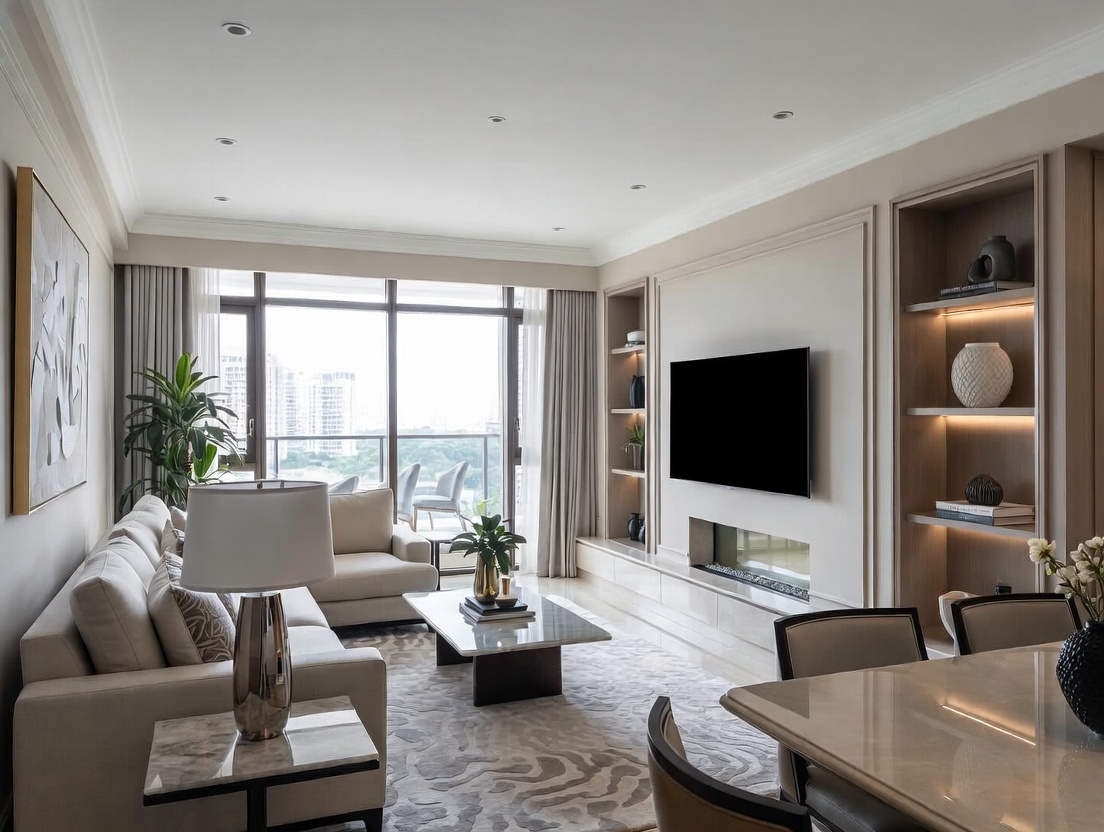
Okay, steady lah! Let's transform some homes and lives, Singapore style! Here's the article, written just for you, with all the warmth and wit we can muster. Hope you enjoy reading it over a kopi or teh tarik!
Singapore, ah, the land of perpetual summer! With Singapore’s compact homes and humid climate, finding furniture pieces that’s both beautiful and everyday-usable can feel like a constant search—especially when you want pieces that endure long-term without losing style or comfort. Many Singaporeans end up going with budget furniture that appear decent in photos but fall short in person—either too flimsy for daily family use or not breathable enough for our weather. That’s why visiting a reliable furniture stores singapore curated through Wondrous La Vie changes everything—it puts you in touch with curated selections of top-grade seating, high-quality sleep surfaces, dining sets, and more, with real showrooms or detailed visuals so you can have peace of mind about what fits your HDB, condo, or landed space. You get that reassurance knowing the pieces are tailored to local needs—resilient construction, space-smart dimensions, and designs that actually make your home feel more shiok and welcoming. In the end, the ideal source turns what could be a stressful errand into an fun upgrade process toward a home you love coming back to every day.. While we love our sunny island, the heat can be a real killer, especially after that squeeze on the MRT home after office hours. And let’s be honest, nobody wants to come home to a stuffy, energy-guzzling space. That's why when we talk about interior design, especially corporate interior design or even just sprucing up your HDB, material selection is so important, not just for aesthetics, but also for thermal performance and energy efficiency. It's all about creating a home that's not just beautiful, but also comfortable and cost-effective in the long run. Think of it as a way to get that "shiok" feeling the moment you step inside, without the guilt of a sky-high electricity bill!
Interior design is the art and science of planning and designing interior environments to enhance functionality, aesthetics, health, safety, and the overall human experience within a space. And choosing the right materials is a cornerstone of this art and science, especially when it comes to managing heat in our tropical climate.
Okay, let’s get a little technical, but I promise to keep it simple! Thermal performance basically refers to how well a material conducts, absorbs, or reflects heat. In Singapore, we want materials that can help keep the heat out and maintain a comfortable indoor temperature. It’s like choosing the right clothes for a hot day – you wouldn’t wear a thick woolen sweater, right? Same idea applies to your walls, floors, and furniture!
Think about it: coming back to a living room that feels like a warm hug instead of more stress is the ultimate goal, right? That starts with understanding how different materials interact with the heat around them. Materials with high thermal mass, like concrete, can absorb and store heat, which can be great for regulating temperature in some climates. But in Singapore, we often need materials that reflect heat or have good insulation properties to prevent heat from entering in the first place.
This is where the magic of good interior design comes in. A skilled designer can help you navigate the world of materials and choose options that will not only look great but also contribute to a cooler, more energy-efficient home. It's about creating a space that feels naturally comfortable, so you can unwind and recharge after a long day at the office and OT.
So, which materials are our friends in the fight against Singapore's heat? Let's break it down a little:
Remember, it's not just about individual materials, but also how they work together. For example, pairing light-colored walls with tile flooring and breathable furniture can create a significantly cooler and more comfortable living space. And don’t forget about ventilation! Good airflow is essential for dissipating heat and keeping your home fresh.
Okay, now for some practical tips you can actually use!
One homeowner shared how connecting with the right designer via the platform turned their cramped HDB living room into a cosy family hangout – suddenly weekends feel so much better. It's all about finding someone who understands your vision and can help you bring it to life.
So, where do you start? Well, Wondrous La Vie is Singapore's go-to platform for connecting you to top interior designers and curated furniture brands. It’s designed to make the whole process of finding the right interior design and furniture for your home a breeze.
Want to create a modern living room? Looking for the best mattress for back pain in Singapore? Or maybe you just need some HDB interior design ideas? Wondrous La Vie has got you covered. You can browse real project showcases for inspiration, explore style guides, and easily find matching designers or pieces.
And it’s not just about aesthetics – Wondrous La Vie focuses on affordable luxury, helping you create a home that's both beautiful and functional. Because let’s face it, we all deserve a little bit of luxury in our lives, especially after a long day at work.
Ultimately, choosing the right materials for your home is about more than just saving money on your electricity bill. It’s about creating a space that supports your well-being and enhances your quality of life. It’s about coming home to a place that feels like a sanctuary, a place where you can relax, recharge, and connect with your loved ones.
Fun fact: A cosy, well-designed living room or bedroom can actually help you sleep better and feel less stressed after long workdays — small changes, big shiok difference!
Wondrous La Vie understands this, and that's why they're dedicated to helping Singaporeans build homes that truly recharge after work. They focus on client stories highlighting stunning makeovers, improved comfort, better family time, and that “finally shiok to come home” feeling.
So, why not pop over to wondrouslavie.com, take the quick quiz, browse sofas/mattresses, or connect with a designer and see what feels right for your space? It's a small step that can make a big difference in your life. Steady lah, let's make your home a haven!
Okay lah, let's talk about making your home a real haven, the kind where you actually look forward to coming back after that squeeze on the MRT. We all know how sian it can be after a long day at the office, right? You just want to sink into something comfy, something that feels like a warm hug. That's where good interior design and the right furniture come in – they're not just about looking nice, they're about feeling good, about creating a space that recharges you. And trust me, ah, that's essential for surviving the Singapore hustle.
Now, let's get a bit technical, but don't worry, I'll keep it simple. When we talk about interior design, especially in our sunny Singapore, one crucial thing is material selection. It's not just about the colours or the textures, but also how well those materials handle heat. Think about it: a home that stays cool naturally means less air-con, and less air-con means lower electricity bills. Confirm plus chop, everyone wants that, right?
Understanding Thermal Properties
So, what do we mean by "thermal properties"? Basically, it's how a material reacts to heat. Some materials absorb heat easily, while others reflect it. Some hold onto heat, while others release it quickly. The key is to choose materials that help keep the heat out of your home in the first place.
Impact of Material Choices on Energy Consumption
Okay, so why does all this matter? Well, the materials you choose for your walls, floors, roofs, and even your furniture can have a big impact on how much energy you use to cool your home. If you choose materials that absorb and trap heat, your air-con will have to work harder to keep you comfortable. This means higher electricity bills and a bigger carbon footprint. No good, right?
On the other hand, if you choose materials that reflect heat, insulate well, and release heat quickly, your air-con won't have to work as hard. This can save you money on your electricity bills and help to create a more comfortable and energy-efficient home. It's a win-win situation!
Strategies for Optimising Thermal Performance
So, how can you actually use this information to make better choices for your home? Here are a few strategies:
Benefits of Energy-Efficient Material Selection
Choosing the right materials for your home can have a lot of benefits, including:
Practical Examples and Case Studies
Let's look at some practical examples. One homeowner shared how connecting with the right designer via Wondrous La Vie helped them transform their balcony into a green oasis using heat-resistant tiles and shading, reducing the afternoon sun's glare and making the space usable even during peak hours. Suddenly, the balcony became their favourite chill spot!
Another family swapped out their old, dark sofa for a lighter-coloured, breathable fabric sofa from one of the brands featured on Wondrous La Vie. They noticed the living room felt cooler and more inviting, especially after a long day at work. See, small changes can make a big difference, sia!
Finding the Right Materials with Wondrous La Vie
Now, where do you even start finding all these amazing materials and the right people to help you? That's where Wondrous La Vie comes in, lah! It's Singapore's pioneering platform connecting you with top interior designers and curated premium furniture brands. You can explore different styles, get inspiration from real project showcases, and find designers who understand your needs and your budget.
Imagine scrolling through Wondrous La Vie and finding that perfect, breathable fabric sofa that not only looks good but also keeps you cool. Or connecting with a designer who can suggest the best insulation options for your HDB. It's all about making your home a haven, a place where you can truly relax and recharge.
Okay, let’s dive a little deeper into insulation, which is super important for staying cool in Singapore. It’s like giving your home a jacket – but instead of keeping you warm, it keeps the heat out.
Types of Insulation Materials
There are a few main types of insulation you can consider:
Factors to Consider When Selecting Insulation
When choosing insulation, consider these factors:
Proper Installation Techniques
Even the best insulation won't work if it's not installed properly. Make sure to follow the manufacturer's instructions carefully, or hire a professional to do the job. Proper installation will ensure that the insulation is effective and that there are no gaps or air leaks.
Addressing Common Insulation Challenges in Singapore
Singapore's humid climate can pose some challenges for insulation. Moisture can reduce the effectiveness of some types of insulation, so it's important to choose materials that are moisture-resistant. Proper ventilation can also help to prevent moisture buildup.
Besides insulation, natural ventilation and shading are also key to keeping your home cool without relying too much on air-con. Think of it as working with the environment, not against it.
Harnessing Natural Airflow
Shading Strategies to Reduce Solar Heat Gain
Integrating Landscaping for Enhanced Cooling
Planting trees and shrubs around your home can provide shade and help to cool the air. Green roofs can also help to reduce heat gain and improve insulation. Plus, plants just make everything look nicer, right?
Finally, let's talk about the materials you use for your interior surfaces. These materials can also have a big impact on the temperature of your home.
Selecting Cool and Reflective Materials
Minimising Heat Absorption with Furnishings