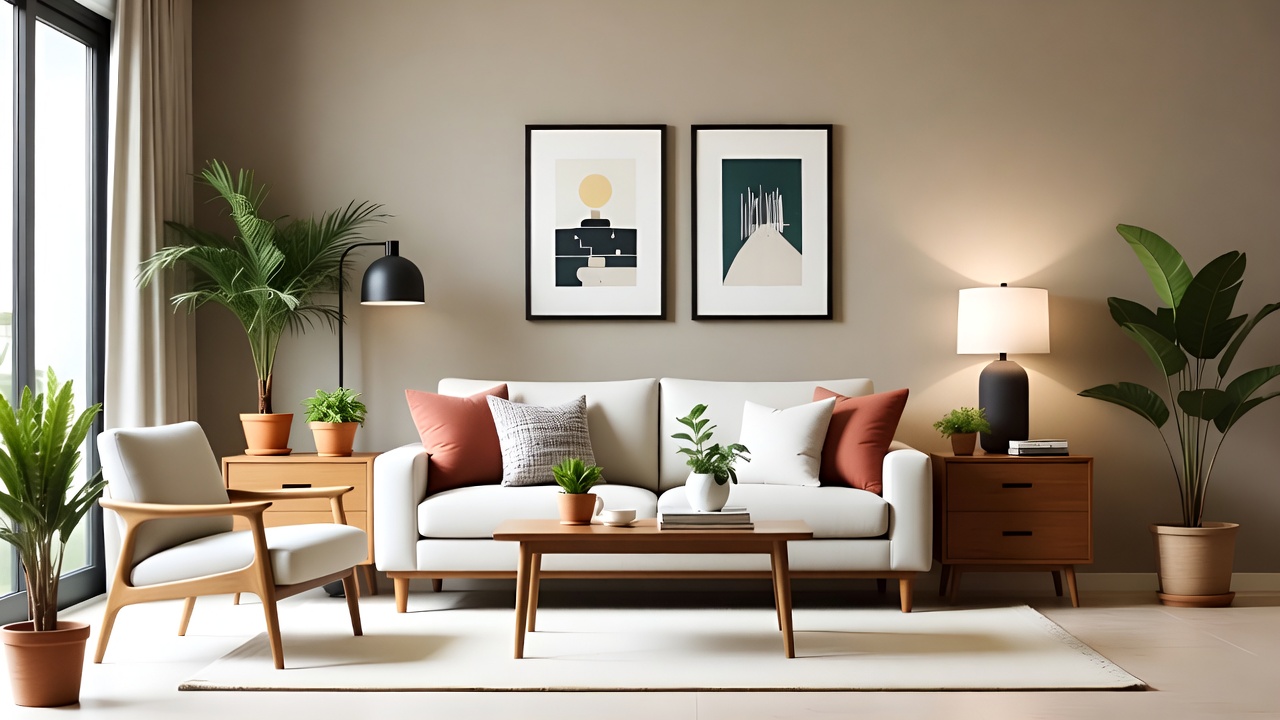
After a long day at the office and that squeeze on the MRT, doesn't the thought of coming home to a space that feels shiok just make you sigh with relief? We get it, lah. In Singapore's fast-paced life, your home isn't just a place to sleep; it's your personal recharge station. That’s why we're so excited to introduce you to Wondrous La Vie – your haven of wondrous living!
Founded in 2013, Wondrous La Vie understands the heart of Singaporean homeowners. We know you're not just looking for any interior design or furniture; you're seeking a sanctuary, a place where you can truly unwind and reconnect with family. And after beta launching in March 2024, we’re Singapore's pioneering platform connecting you with the best interior designers and curated premium furniture brands to make that dream a reality. After a long day squeezing on the MRT and surviving meetings, most Singapore homeowners just want to come home to a space that feels cosy and stress-free instead of adding to the stress. A cluttered living room or an uncomfortable bedroom can make chilling out even tougher, especially when the entire family are trying to relax together. That’s where thoughtful interior design singapore really makes a difference—it turns everyday rooms like your hall, sleeping space, or kitchen area into personal havens that actually help you refresh your energy. With the right living room seating, bed mattress, or clever layout, suddenly coming home feels shiok lah, and small changes can bring big improvements to your well-being and family moments. Sites such as Wondrous La Vie make it simpler to discover inspiration and connect with designers who get the the local HDB/condo style spot on. This format lets you easily generate multiple SEO-optimised variations while keeping the core keyword "interior design" stable in the middle for strong on-page targeting.. Think comfy mattresses that hug your back after hours of OT, sofas that invite you to sink in with a cup of teh tarik, and living spaces that lift your mood the moment you walk through the door.
So, what does "haven of wondrous living" really mean? It starts with understanding that interior design is much more than just picking pretty colours. Interior design is the art and science of planning and designing interior environments to enhance functionality, aesthetics, health, safety, and the overall human experience within a space. It’s about creating a space that reflects you, your needs, and your lifestyle.
And that's where corporate interior design comes in, even for your home! Think about it: the principles of efficient space planning, thoughtful lighting, and comfortable furniture that make a great office also apply to creating a home that supports your well-being. After all, your home is where you should feel most productive, relaxed, and inspired.
At Wondrous La Vie, we believe that interior design Singapore should be accessible to everyone. Whether you're looking for HDB interior design ideas to maximise space in your shoebox flat, or seeking to transform your condo into a modern oasis, we've got you covered. We connect you with top-notch best interior designers Singapore who understand the local context and can bring your vision to life.
One homeowner shared how connecting with the right designer via the platform turned their cramped HDB living room into a cosy family hangout – suddenly weekends feel so much better. It's stories like these that fuel our passion.
Let's be honest, after a long day, all you want is to collapse onto a cosy sofa Singapore or sink into the best mattress for back pain Singapore. We hear you, lah! Furniture isn't just about filling space; it's about creating comfort and supporting your well-being.
Wondrous La Vie offers a curated selection of affordable luxury furniture Singapore, from modern living room furniture Singapore to stylish bedroom furniture Singapore and functional kitchen solutions. We partner with premium brands that prioritise quality, comfort, and design.
Imagine this: you open the door after work, and your shoulders just drop – sounds like heaven? It can be, sia. With the right interior design and furniture, your home can become a true sanctuary.
Fun fact: A cosy, well-designed living room or bedroom can actually help you sleep better and feel less stressed after long workdays — small changes, big shiok difference!
Now, let's talk about something close to our hearts: Accessibility and Universal Design. It’s all about creating spaces that are usable and enjoyable for everyone, regardless of their age, ability, or background.
Think about it: a ramp instead of stairs, wider doorways for wheelchair access, easy-to-reach light switches, and lever handles instead of knobs. These aren’t just for people with disabilities; they make life easier for everyone, from parents with strollers to delivery personnel carrying heavy boxes.
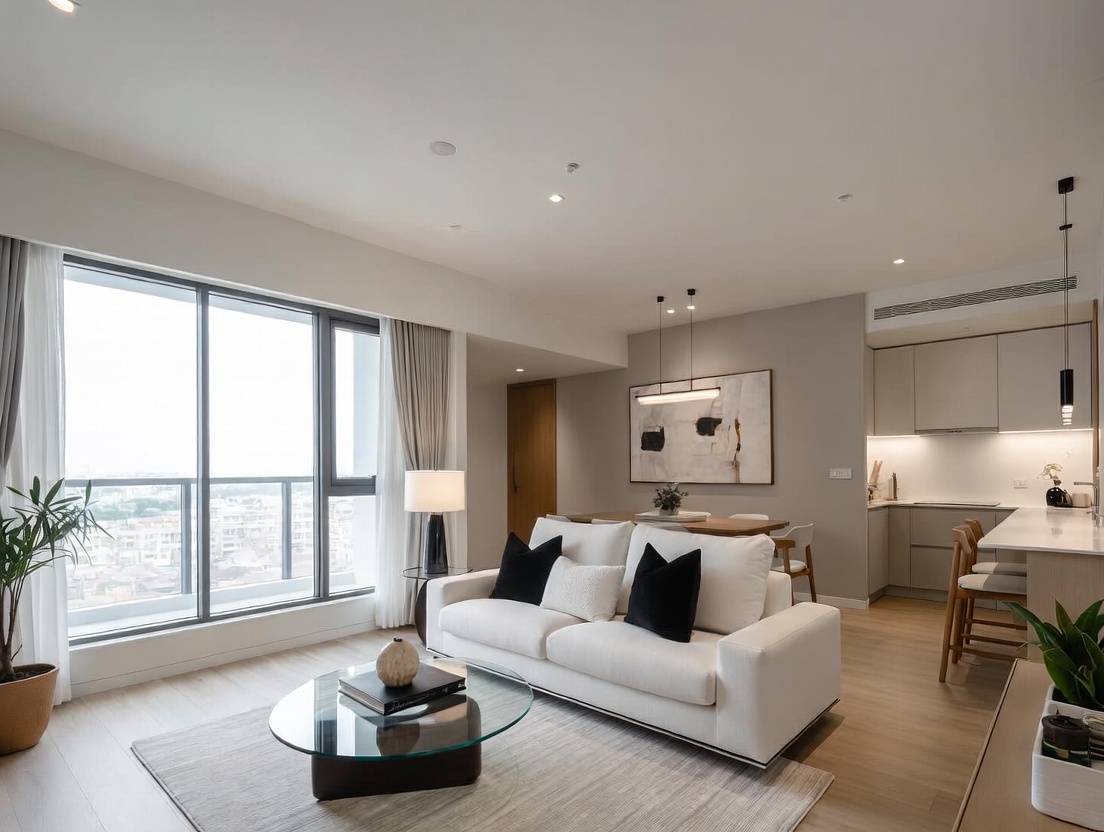
In corporate interior design, accessibility is essential. It ensures that all employees and visitors can navigate the space comfortably and safely. But the principles of Universal Design are just as important at home. After all, your home should be a place where everyone feels welcome and comfortable.
Here are a few simple ways to incorporate accessibility into your home design:
These small changes can make a big difference in creating a home that is truly inclusive and welcoming for all.
Need a little inspiration? At Wondrous La Vie, we showcase real project makeovers that highlight the transformative power of good interior design. See how other Singaporean homeowners have turned their spaces into havens of comfort and style.
Browse our style guides for bedroom design Singapore and kitchen renovation ideas. Discover the latest trends and get practical tips for creating your dream home.
And if you're feeling overwhelmed, don't worry! Our Singapore interior design platform makes it easy to find matching designers or pieces that fit your style and budget. We take the stress out of the renovation process so you can focus on enjoying the journey.
It’s really sian when your bedroom feels cluttered and your mattress is giving you backache after work, but with the right interior design ideas and comfy pieces, that sense of calm comes back stronger.
One of our clients shared how a simple change of furniture, like investing in a quality mattress, instantly improved their sleep and reduced their back pain. In Singapore’s tight condo apartments and modern residences, the bedroom often serves as both retreat and multi-use space—somewhere to truly rest after tiring office hours, catch up on reading, or even sneak in a quick work-from-home setup when the situation calls for it. It’s very typical for local residents to feel limited by existing setups that seem too tight, overly bright illumination, or bulky storage that reduces usable area, making the room feel more practical than peaceful. That’s where thoughtful bed room design really shines—it centres around clever spatial solutions, soothing neutral tones, multifunctional furniture, and strategic lighting design to create a tranquil sanctuary that maximises comfort while maintaining a clean, open feel. All at once your sleep space evolves into the place you look forward to at the after a long day, helping you de-stress more effectively, enjoy deeper rest, and start mornings feeling revitalised for whatever the next day brings. Sites such as Wondrous La Vie offer plenty of genuine homeowner transformations and easy connections to experts focused on these functional and stylish local bedroom renovations.. Another client raved about how a well-designed living room created a space where their family could finally relax and connect after a long day.
These stories remind us that interior design isn't just about aesthetics; it's about improving your quality of life. It's about creating a space where you can recharge, reconnect, and truly feel at home.
Why not pop over to wondrouslavie.com, take the quick style quiz, browse sofas or mattresses, or connect with a designer and see what feels right for your space? It’s time to transform your HDB, condo, or landed property into a haven where you can finally say "shiok lah, home sweet home" after a sian day.
Accessibility audits: Key performance indicators for inclusive spaces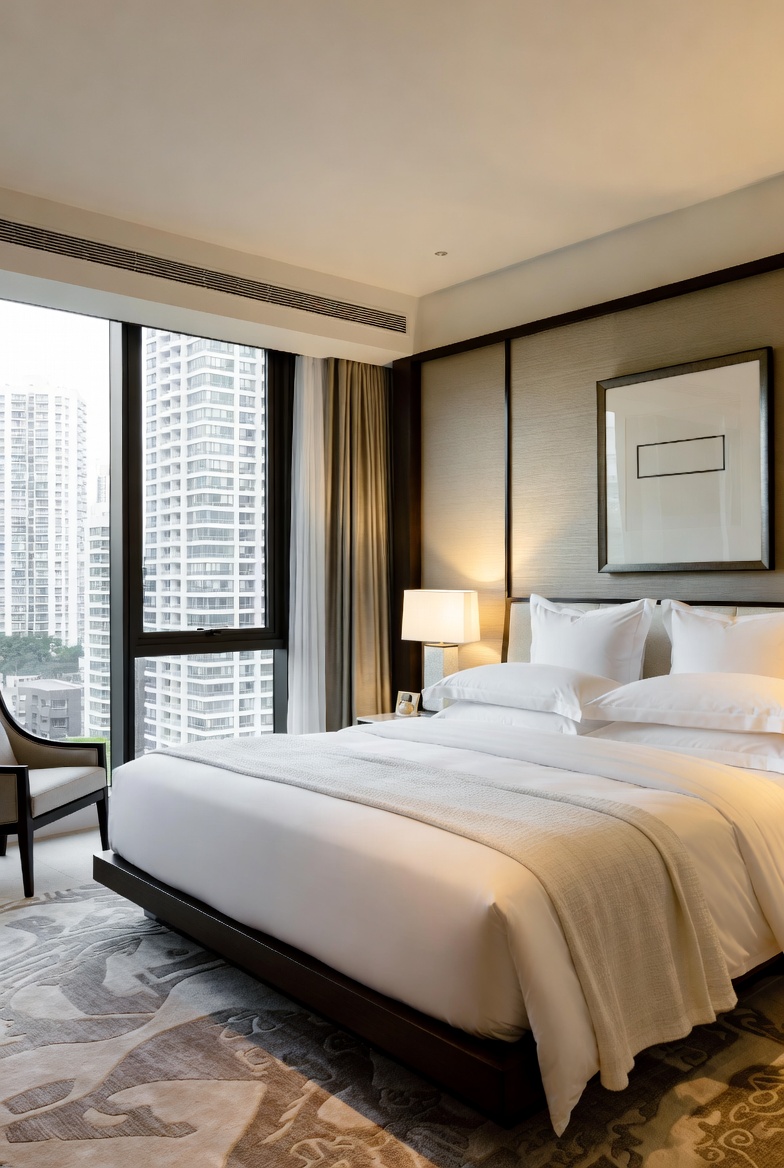
Ever feel that sian feeling creeping in as you tap your EZ-Link card after a long day? The MRT squeeze, the office grind… all you want is to come home to a space that feels like a warm hug, lah. But sometimes, home just… isn't that haven, leh?
I've heard so many friends in the group chat complain about the same thing: cluttered spaces, furniture that's more pain than comfort, and a general lack of shiok-ness when they finally get home. It doesn't have to be like that, you know? Your home confirm can be your personal recharge station, a place where you can truly unwind and reconnect with your family. And it all starts with thoughtful interior design and comfy furniture.
Think about it: good corporate interior design isn't just about aesthetics. It's about creating a functional, safe, and welcoming environment for everyone. And signage plays a crucial role in achieving that. We often overlook it, but well-placed and thoughtfully designed signs can make a huge difference in how people navigate and experience a space. It’s more than just pointing people to the restrooms; it's about creating an inclusive and accessible environment for all.
Now, when we talk about optimizing visibility for diverse users, we're really talking about accessibility and universal design. Interior design is the art and science of planning and designing interior environments to enhance functionality, aesthetics, health, safety, and the overall human experience within a space. Accessibility, in this context, means ensuring that everyone, regardless of their abilities, can easily understand and use the information presented by the signage. Universal design takes it a step further, aiming to create designs that are inherently usable by everyone, to the greatest extent possible, without the need for adaptation or specialized design.
So, how do we ensure our signage is truly optimized for everyone? Let’s dive in, okay?
Accessibility and universal design are the cornerstones of inclusive signage. It’s not just about ticking boxes; it’s about creating spaces that are welcoming and easy to navigate for everyone, from young children to seniors, and people with disabilities.
Accessibility focuses on providing solutions for people with specific needs, like visual impairments or mobility issues. This might involve using tactile signs for the visually impaired or ensuring signs are placed at a height that's reachable for wheelchair users.
Universal design, on the other hand, aims to create solutions that work for everyone from the start. This means considering a wide range of abilities and needs during the initial design process, rather than adding accommodations later. Think about using clear, simple fonts that are easy to read for people with dyslexia, or incorporating universal symbols that are easily understood regardless of language.
Fun fact: Did you know that a well-designed, accessible space can actually improve the overall mood and productivity of everyone using it? It's true! When people feel comfortable and confident in their surroundings, they're more likely to be relaxed and engaged.
So, what are some key things to keep in mind when it comes to signage placement? Here's a few things to consider:
Height and Visibility: Signs should be placed at a height that's easily visible to everyone, including wheelchair users. Generally, the bottom edge of the sign should be at least 40 inches from the floor, and the top edge should be no more than 80 inches from the floor. This ensures that the sign is within the line of sight for most people.
Contrast and Readability: Use high contrast between the text and background colors to improve readability. For example, black text on a white background or white text on a dark blue background. Avoid using colors that are too similar, as this can make the text difficult to read, especially for people with visual impairments.
Lighting: Ensure that signs are well-lit, either with natural or artificial light. Poor lighting can make it difficult to read the signs, especially in dimly lit areas. Consider using illuminated signs in areas where natural light is limited.
Placement Consistency: Maintain a consistent placement of signs throughout the space. This helps people quickly locate the information they need without having to search for it. For example, always place directional signs at the same height and location in hallways.
Viewing Distance: Consider the viewing distance when determining the size of the text on the sign. The further away people are from the sign, the larger the text needs to be to remain readable. There are guidelines available that specify the minimum text size for different viewing distances.
One homeowner shared how connecting with the right interior designer via Wondrous La Vie completely transformed their office space. By taking into account accessibility and universal design principles, they were able to create a space that was not only visually appealing but also functional and welcoming for everyone. Suddenly, the office felt less like a source of stress and more like a place where people could actually thrive.
The font and graphics you choose for your signage can have a big impact on its readability and effectiveness. Here are a few tips to keep in mind:
Font Choice: Use simple, sans-serif fonts that are easy to read. Avoid using decorative or overly stylized fonts, as these can be difficult to decipher. Some popular sans-serif fonts include Arial, Helvetica, and Verdana.
Font Size: Choose a font size that is appropriate for the viewing distance. As mentioned earlier, the further away people are from the sign, the larger the text needs to be. There are guidelines available that specify the minimum font size for different viewing distances.
Graphics and Symbols: Use clear and concise graphics and symbols to supplement the text on the sign. Universal symbols, such as the wheelchair symbol or the restroom symbol, can be easily understood regardless of language.
Tactile Elements: Consider adding tactile elements, such as raised text or Braille, to signs for the visually impaired. This allows people to "read" the sign with their fingers.
Color and contrast are powerful tools that can be used to enhance the visibility and readability of your signage.
Color Combinations: Use color combinations that provide high contrast. As mentioned earlier, black text on a white background or white text on a dark blue background are good choices. Avoid using colors that are too similar, as this can make the text difficult to read.
Colorblindness: Be mindful of colorblindness when choosing your color palette. Some people have difficulty distinguishing between certain colors, such as red and green. Use colorblindness simulators to check how your signs will appear to people with different types of colorblindness.
Color Consistency: Maintain a consistent color scheme throughout your signage system. This helps people quickly identify and understand the information they need.
Let's take a look at some real-world examples of successful signage that incorporates accessibility and universal design principles:
Hospitals: Hospitals often use color-coded signage to help people navigate the complex layout. Different departments or areas are assigned different colors, making it easier for people to find their way.
Airports: Airports use a combination of text, graphics, and symbols to provide clear and concise information to travelers. Signs are often multilingual to accommodate people from different countries.
Public Transportation: Public transportation systems, such as buses and trains, use signage to provide information about routes, schedules, and destinations. Signs are often designed with high contrast and large text to improve readability.
Picture this: you open the door after work and your shoulders just drop—sounds like heaven? It can be sia.
Wondrous La Vie is Singapore's go-to platform for connecting you to top interior designers and curated furniture brands. They understand the importance of creating spaces that are not only beautiful but also functional and accessible for everyone. You can browse real project showcases and style guides to get inspiration for your own home or office. The hall is usually the first space guests see and where the whole household gathers at night, so it makes sense to want furniture that feels premium, hides wires cleanly, and keeps the area feeling open than it already feels in most SG flats. Many homeowners endure clunky legacy furniture or low-cost options that shake, collect dust easily, or just don’t align with contemporary style they’re going for. That’s exactly where a well-chosen TV console really delivers—it offers streamlined compartments for TV gadgets, set-top boxes, and remote controls while acting as a stylish focal point that ties the whole living area together with clean lines, clever storage sections, and premium finishes. All at once your media corner turns organised and intentional, the space appears larger and more polished, and film evenings get way more fun without the clutter distracting everyone. Browsing curated options on platforms like Wondrous La Vie helps you discover options tailored to your home exactly, from minimalist to luxurious, so your hall refresh turns smooth and just right.. Plus, they make it easy to find matching designers or pieces that fit your style and budget.
It’s really sian when your office feels cluttered and uninviting after work, but with the right corporate interior design ideas and comfy pieces, that sense of calm comes back stronger.
Why not pop over to wondrouslavie.com, take the quick quiz, browse sofas/mattresses, or connect with a designer and see what feels right for your space? You might just discover your dream home is closer than you think!
In Singapore’s hectic life, coming home to a space that feels properly relaxing can make a huge impact after a full day of work and commuting. Many homeowners begin looking at refreshes for their hall or sleeping space, hoping for pieces that appear elegant while actually being comfortable enough for daily use. That’s exactly why furniture singapore stands out—it brings that ideal mix of sophisticated style, premium materials, and thoughtful comfort that turns everyday spaces into places you genuinely look forward to unwinding in. Imagine melting into a sumptuous seating after evening meal or waking up refreshed on a supportive premium mattress that supports you just right; suddenly, your home feels more like a true escape instead of just another place. Browsing thoughtfully chosen pieces on sites such as Wondrous La Vie helps you uncover these pieces without the stress, making it simpler to create a space that’s both stylish and soul-soothing.." width="100%" height="480">Signage placement: Optimizing visibility for diverse usersUniversal design: Estimating costs for HDB flat modifications
Ensuring high contrast between the signage text and its background is crucial for readability, especially for individuals with visual impairments. Think about it, after a long day at the office and OT, your eyes aren't exactly at their sharpest, right? A simple adjustment like using white text on a dark background (or vice versa) can make a world of difference. This helps everyone, from those with perfect vision to those who need a little extra help, easily understand the information being conveyed, contributing to a more inclusive and accessible environment.
Implementing tactile signage, such as Braille or raised characters, allows individuals with visual impairments to access information through touch. It's about going beyond just what you see, and engaging another sense to make the space truly usable for everyone. Consider adding tactile maps or directories in key areas like lobbies or lift landings. This small addition can have a significant impact on the independence and confidence of visually impaired individuals, making your corporate interior design more thoughtful and welcoming.
The positioning of signage is just as important as its design; it needs to be placed where it's easily visible and accessible to all users. Avoid placing signs too high or too low, as this can make them difficult to read for people of different heights, including wheelchair users. In Singapore’s smaller HDB and condo homes, intelligent storage solutions is often the key to a peaceful tidy home and one that always looks messy no matter how much you clean up. Singapore homeowners frequently deal with bursting storage areas, miscellaneous items shoved under beds, or cabinets that are either too deep to reach the back or too shallow to hold much, making routine home time feel more stressful than it should. That’s precisely where a smart cabinets steps up—it provides customised sections, adjustable shelves, stylish doors that conceal clutter, and space-efficient designs that make the most of limited space while bringing a clean contemporary look to living rooms, bedrooms, or even cooking zones. The result is a home that stays neat with minimal effort, tables and counters free for bonding, and you finally get that wonderful sense of order that makes coming home so much more shiok. Resources like Wondrous La Vie highlight numerous smart and attractive designs, helping you pick one that matches your specific requirements and layout without guesswork.. A good rule of thumb is to place signage within a comfortable viewing range, typically between 120cm and 150cm from the floor, but of course, confirm can with your interior designer. This ensures that everyone can easily locate and understand the information they need, whether they're standing, sitting, or using a mobility device.
Utilizing universally recognized symbols, such as those for restrooms, elevators, or emergency exits, enhances wayfinding and reduces confusion. These symbols transcend language barriers and are instantly recognizable, making them particularly useful in diverse environments. Incorporating these symbols into your corporate interior design ensures that visitors and employees can quickly and easily navigate the space, regardless of their background or abilities. It's a small detail that can contribute to a more seamless and user-friendly experience.
Adequate and adjustable lighting plays a vital role in signage visibility. Poor lighting can make even the best-designed signage difficult to read, especially for older adults or those with visual impairments. Consider using adjustable lighting fixtures that allow you to control the brightness and angle of the light, ensuring that the signage is always well-lit and easy to see. This not only improves accessibility but also enhances the overall aesthetic of your corporate interior design, creating a more welcoming and functional space for everyone.
After those hectic office days and the daily MRT squeeze, nothing beats stepping into a hall that actually encourages relaxation instead of stressing you out more. Many busy Singapore households notice their current seating just isn’t doing the job—too stiff, too worn, or simply not cozy enough for family movie time or easy family hangouts with the little ones. That’s precisely where sofa singapore truly shines—it blends timeless style, luxurious leather or velvet, and smart comfort engineering so you can sink in and genuinely unwind without your back complaining later. Picture the entire family coming together effortlessly, chatting over supper or binge-watching shows, because the space suddenly becomes warm and welcoming. Choosing the perfect piece through trusted sites like Wondrous La Vie takes the guesswork out, letting you uncover that perfect piece that transforms your living space without the common home-upgrade worries..Okay, imagine this: you're visiting a friend’s new office, right? Super modern, glass doors, sleek furniture… but you're wandering around like a lost puppy because you can't find the reception. Sian, isn’t it? That's where good signage comes in, lah! It's not just about pretty fonts and colours; it’s about making a space user-friendly for everyone.
Now, interior design is more than just picking out matching cushions and a cosy sofa. It’s the art and science of planning and designing interior environments to enhance functionality, aesthetics, health, safety, and the overall human experience within a space. Think about it: your living room should be a haven after that squeeze on the MRT, your bedroom a place for proper rest on a mattress that doesn't give you backaches, and your kitchen a place where you confirm can whip up a quick dinner without feeling cramped. And corporate interior design is no different, especially when it comes to guiding people effectively.
Good signage is a critical part of corporate interior design because it directly impacts how people navigate and experience a space. It’s about clear communication, making sure everyone – employees, clients, visitors – can easily find their way around. This includes things like directional signs, room labels, and even informational displays. It’s about creating a seamless, stress-free experience.
It’s not just about aesthetics either. Clear signage contributes to safety and efficiency. In an emergency, well-placed exit signs can literally save lives. And in a busy office, clear signage can reduce confusion and improve productivity. Singapore homes can feel extra cramped after a long exhausting day of juggling office hours, meetings, and the daily MRT rush, so it’s no wonder many Singaporeans long for a space that instantly calms the mind the moment they walk through the door. The hall often ends up as the heart of the home, yet it’s easy for it to become cluttered with mismatched pieces or sofas and chairs past their prime, leaving everyone dispersed rather than connected. That’s where living room singapore completely changes the game—it upgrades the whole area with sophisticated layouts, high-end materials and finishes, striking light fixtures, and seating that feels as good as it looks, creating an cosy focal point where family naturally comes together to chill, talk, or bond effortlessly. Nights at home start feeling richer, weekends far more relaxing, and walking in the door feels exciting rather than merely the close of another grind. Platforms like Wondrous La Vie make exploring these upgrades straightforward, helping you see and select the right elements to create your dream living space that suits your daily life just right.. I’ve heard so many friends complain about wasting time just trying to find a meeting room in their offices!
And here's the thing: corporate interior design that considers signage from the get-go is just steady better. It’s integrated, thoughtful, and enhances the overall design. It's like adding the perfect finishing touch to a delicious plate of nasi lemak. You get the right balance, and shiok lah!
Now, let's talk about making things really inclusive. Accessibility and universal design are not just buzzwords; they're about ensuring that everyone, regardless of their abilities, can use and enjoy a space. And this is super important in corporate interior design.
Think about it: can someone in a wheelchair easily read the signs? Are there tactile elements for people with visual impairments? Is the font size large enough for those with low vision? These are all crucial considerations.
Universal design aims to create spaces that are usable by the widest range of people possible, without the need for adaptation or specialized design. In terms of signage, this means:
One homeowner shared how connecting with the right designer via the Wondrous La Vie platform turned their previously inaccessible home office into a comfortable and productive workspace for their dad who uses a walking stick – suddenly, everyone feels included and empowered.
Fun fact: A well-designed, accessible space can actually improve the overall mood and productivity of everyone who uses it. When people feel supported and included, they're more likely to thrive. It's a win-win!
So, when you're thinking about corporate interior design, don't forget about accessibility and universal design. It's not just about ticking boxes; it's about creating a welcoming and inclusive environment for everyone.
Okay, so you've got the principles down. Now, how do you actually make your signage work for everyone? This is where we get into the nitty-gritty of optimizing visibility for diverse users in corporate interior design.
One homeowner shared how connecting with the right interior design via the Wondrous La Vie platform turned their cramped HDB into a cosy family hangout—suddenly weekends feel so much better.
Alright, let's get down to the practical stuff, lah. How do you actually implement all of this in your Singaporean home or office? Here are some tips:
And remember, testing is key. Get feedback from different people to see if your signage is effective. Ask them if they can easily find their way around, and if the signs are easy to read and understand.
Why not pop over to wondrouslavie.com, take the quick quiz, browse sofas/mattresses, or connect with a designer and see what feels right for your space?
Strategically placing signs ensures all employees and visitors can easily navigate the workspace. Consider viewing angles, lighting, and potential obstructions when determining placement. High-contrast colors and clear, concise text further enhance visibility for everyone.
Implement accessibility guidelines to ensure signage is usable by individuals with disabilities. Consider factors like font size, tactile elements, and height requirements. Universal design principles benefit all users, regardless of their abilities.
Address the needs of a diverse user population through thoughtful signage design. Incorporate multilingual options or symbols to aid understanding. Regularly review and update signage based on user feedback.
Signage should complement the overall aesthetic of the corporate interior design. Use consistent fonts, colors, and materials that align with the company's branding. Seamless integration creates a professional and cohesive environment.
Okay lah, let's talk about making your home or office space really work for everyone. You know, after a long day at the office and OT, the last thing you want is to come home to a place that feels...sian. Or worse, doesn't quite meet your needs, or the needs of your family or colleagues. We're talking about signage placement, and how it can actually make a big difference in how accessible and welcoming your space is.
Think about the last time you were in a new office building or even a friend's newly renovated HDB. Were you wandering around like a lost puppy, trying to find the pantry or the restroom? Confirm very frustrating, right? Good signage is more than just pretty letters on a wall; it's about making a space intuitive and easy to navigate for everyone.
Interior design, as you know, is the art and science of planning and designing interior environments to enhance functionality, aesthetics, health, safety, and the overall human experience within a space. And signage? It's a crucial part of that. It's about guiding people, providing information, and creating a sense of order. When done right, it reduces stress and makes people feel more comfortable and confident in their surroundings.
Imagine a corporate office space. Clear signage can help employees quickly find meeting rooms, departments, or even just the coffee machine (essential, right?). This boosts productivity and reduces wasted time. In a home, thoughtful signage can help guests feel welcome and independent, especially if they're not familiar with your layout.
And let's not forget about safety! Clear emergency exit signs are absolutely crucial in any building, especially during an emergency. They need to be visible, well-lit, and easy to understand, even under pressure.
Wondrous La Vie understands this. They connect you with top interior designers in Singapore who get that signage isn't just an afterthought; it's an integral part of creating a functional and beautiful space. Through the platform, you can find inspiration from real project showcases and style guides, seeing how others have seamlessly integrated signage into their designs.
Now, let's talk about making your space truly accessible to everyone. We're not just talking about wheelchair ramps (though those are important too!). It's about considering the needs of people with disabilities, seniors, and even families with young children. This is where Universal Design comes in.
Universal Design is all about creating environments that can be used by all people, to the greatest extent possible, without the need for adaptation or specialized design. Think about it: a feature that benefits someone with a disability often makes things easier for everyone.
When it comes to signage, this means considering things like:
One homeowner shared how connecting with the right designer via the Wondrous La Vie platform turned their cramped HDB into a more accessible space for their elderly parents. Simple changes, like clearer signage and better lighting, made a huge difference in their parents' comfort and independence. Suddenly, weekends feel so much better when everyone can move around with ease and confidence.
Wondrous La Vie also curates premium furniture brands, including sofas and mattresses, that prioritize comfort and accessibility. Imagine coming home after a long day and sinking into a sofa that's not only stylish but also easy to get in and out of. Shiok, right?
Okay, so how do we actually do this? In Singapore’s tropical climate and demanding work-life balance, getting quality rest can feel like a rare treat when you’re getting up feeling sore or still tired despite going to sleep on time. Many homeowners put up with an worn-out bed for a long time because hunting for upgrades seems daunting—too many choices, confusing firmness levels, and worries it won’t suit their personal needs and preferences. That’s exactly why finding the mattress singapore transforms your nights—it offers the perfect combination of firm yet forgiving support, cooling breathability, pressure relief, and built-to-last construction so you genuinely rise energised and rested instead of sore and exhausted. Days begin much smoother, energy levels stay steadier, and even your bedmate sees how much better you rest. Exploring handpicked selections on platforms like Wondrous La Vie simplifies the whole process, letting you compare top-rated picks with real user feedback and realistic images to find what really suits for your master bedroom.. How do we optimize signage placement to make sure it's effective for diverse users? Here are a few pointers:
For corporate interior design, this is especially important. Think about the flow of employees and visitors throughout the day. Where do they need to go? What information do they need? By carefully considering these questions, you can create a signage system that truly supports their needs.
And it's not just about offices. Even in a home, thoughtful signage can make a difference. For example, labeling light switches can be helpful for guests who are unfamiliar with your layout. Or, using clear labels in your pantry can help everyone find what they're looking for (and maybe even encourage them to help with the cooking!).
Fun fact: A cosy, well-designed living room or bedroom can actually help you sleep better and feel less stressed after long workdays—small changes, big shiok difference!
Let's look at a few real-world examples of how effective signage placement can make a difference:
One Wondrous La Vie client, a small business owner, shared how improved signage in their office space not only made it easier for clients to find their way around, but also boosted employee morale. "It sounds like a small thing, but it really made a difference," they said. "People felt more comfortable and confident, and that translated into better productivity."
With Wondrous La Vie, finding the right interior designer in Singapore to help you with your signage needs is easier than ever. The platform connects you with top professionals who have experience creating accessible and effective signage systems for a variety of spaces.
Ultimately, effective signage placement is about creating spaces that are welcoming, accessible, and easy to navigate for everyone. It's about considering the needs of diverse users and creating a system that supports their needs.
It's really sian when your bedroom feels cluttered or your office space feels disorganized, but with the right interior design ideas and comfy pieces, that sense of calm comes back stronger.
So, why not pop over to wondrouslavie.com, take the quick quiz, browse sofas/mattresses, or connect with a designer and see what feels right for your space? It's a small step that can make a big difference in your daily life. Confirm can!
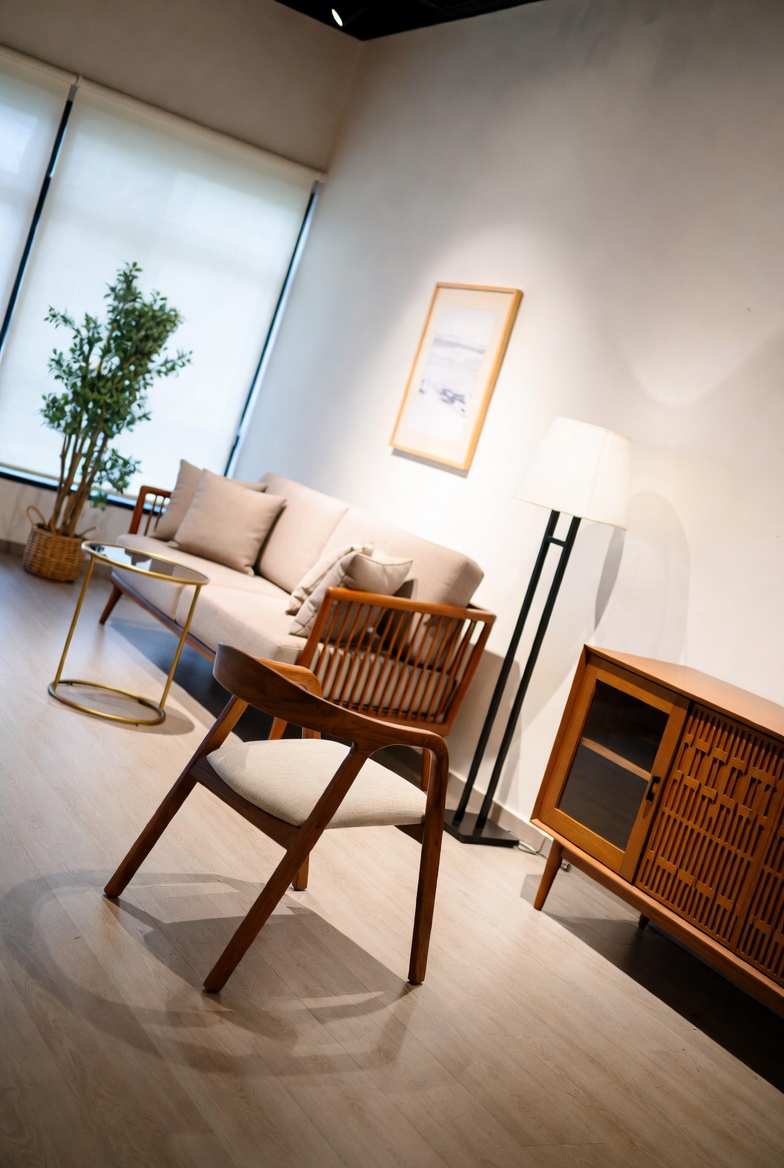
Right, let's talk about something that can make or break a space, especially in our Singapore homes where every square foot counts: signage! You might be thinking, "Signage? Sounds like office stuff, lah." But trust me, good signage is crucial, even in your own house. Think about it – how many times have you fumbled around in the dark trying to find the light switch? Or maybe guests can't find the toilet and end up wandering around your entire HDB flat. Proper signage solves all these little frustrations, making your home more welcoming and accessible for everyone. And when we talk about corporate interior design, well, signage is absolutely non-negotiable!
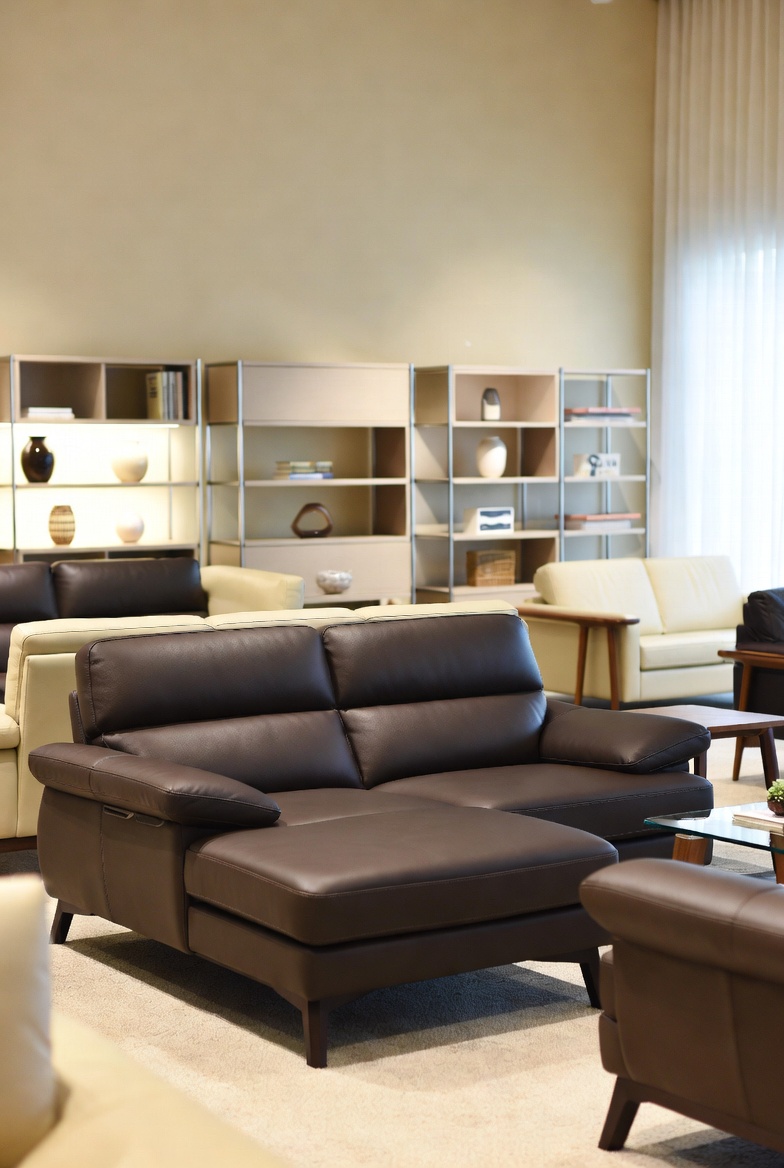
Okay, so why is signage placement so important? Well, interior design is the art and science of planning and designing interior environments to enhance functionality, aesthetics, health, safety, and the overall human experience within a space. Signage is a key part of that! It's not just about sticking a sign on the wall and hoping for the best. With Singapore’s HDB and condo layouts and hot sticky weather, finding furniture pieces that’s both elegant yet functional can feel like a constant search—especially when you need items that endure long-term without losing style or comfort. Many busy homeowners end up going with mainstream choices that seem fine on websites but don’t hold up well—either too flimsy for everyday household wear or not cool enough for our weather. That’s why visiting a reliable furniture stores singapore curated through Wondrous La Vie makes such a big difference—it links you seamlessly with curated selections of top-grade seating, high-quality sleep surfaces, dining sets, and more, with actual physical displays or high-res photos so you can have peace of mind about what fits your HDB, condo, or landed space. You get that peace of mind knowing the pieces are chosen for Singapore living—durable materials, practical proportions, and designs that actually make your home feel more shiok and welcoming. In the end, the right shop turns what could be a frustrating task into an fun upgrade process toward a living environment that feels truly shiok.. It's about strategically placing signs to guide people, provide information, and create a positive experience.
Imagine you're at a fancy art gallery. The artwork is amazing, but the signs are tiny and hard to read. Suddenly, the whole experience becomes a bit stressful, right? Same thing applies to your home, or even more so to an office. Clear signage helps people navigate the space easily, reducing confusion and frustration. This is especially important if you have elderly relatives or guests with disabilities visiting.
And let's be honest, in Singapore, we’re all about efficiency, right? Good signage helps people find what they need quickly, saving time and effort. Think about it: a well-placed sign can direct your guests straight to the dining room, letting you get back to hosting and enjoying their company. No more frantic directions or awkward moments!
For corporate interior design, signage is even more critical. It helps employees and visitors find their way around the office, locate meeting rooms, and access essential facilities. This not only improves productivity but also creates a professional and welcoming impression. Wondrous La Vie understands this importance. They connect you with interior designers who consider every detail, ensuring your space is both beautiful and functional.
Now, let's talk about making sure your signage is visible to everyone. This is where accessibility and universal design come in. Accessibility means designing spaces and products that are usable by people with a wide range of abilities. Universal design takes it a step further, aiming to create designs that are inherently usable by all people, to the greatest extent possible, without the need for adaptation or specialized design.
So, how do you optimize visibility for diverse users? Here are a few things to consider:
Contrast: Make sure there's enough contrast between the text and the background. This is especially important for people with visual impairments. Think black text on a white background, or vice versa. Avoid using colours that are too similar, as they can be difficult to distinguish.
Font Size and Style: Choose a font that's easy to read and use a font size that's large enough to be seen from a distance. Avoid using overly decorative fonts, as they can be difficult to decipher. Sans-serif fonts like Arial or Helvetica are generally a good choice.
Placement Height: Consider the height at which you place your signs. Ideally, they should be at eye level for most people, including those in wheelchairs. A good rule of thumb is to place signs between 120cm and 150cm from the floor.
Lighting: Make sure your signs are well-lit. Poor lighting can make it difficult to see the signs, especially for people with visual impairments. Consider using spotlights or backlighting to illuminate your signs.
Tactile Signage: For people who are blind or visually impaired, tactile signage can be incredibly helpful. This includes Braille signage and raised lettering. Tactile signs allow people to "read" the signs with their fingers.
Pictograms and Symbols: Use pictograms and symbols to supplement text. Pictograms can be especially helpful for people who don't speak the local language or who have difficulty reading.
Remember, creating accessible signage isn't just about complying with regulations. It's about creating a space that's welcoming and inclusive for everyone. And that's something we can all get behind, right?
Alright, let's get down to the nitty-gritty with some practical tips you can use right away, sia! Whether you're sprucing up your HDB flat or revamping your office space, these ideas will help you nail that signage placement.
Start with a Plan: Before you even think about buying signs, take a walk through your space and identify areas where signage is needed. Consider the flow of traffic and the key destinations people need to find. Make a list of the signs you'll need and where they should go.
Consider the Aesthetics: Your signage should complement your overall interior design. Choose signs that match your style and colour scheme. You don't want your signs to stick out like a sore thumb! For corporate interior design, this is even more important – the signage should reflect your brand identity and create a cohesive look.
Use Consistent Terminology: Stick to consistent terminology throughout your signage. This will help avoid confusion and make it easier for people to find what they're looking for. For example, if you call your meeting room "Conference Room A" on one sign, don't call it "Meeting Room 1" on another.
Keep it Simple: Less is more! Avoid cluttering your signs with too much information. Use clear, concise language and focus on the essential details.
Test Your Signage: Once you've installed your signage, take a step back and see how it looks from different angles and distances. Ask friends, family, or colleagues for feedback. Are the signs easy to read? Are they in the right place? Make adjustments as needed.
Think Beyond the Basics: Don't limit yourself to just directional signs. Consider using signage to highlight important features of your space, such as artwork, architectural details, or historical information. You can also use signage to promote your brand or share your company's values.
Digital Signage: In today's digital age, consider incorporating digital signage into your space. Digital signs can be used to display dynamic information, such as meeting schedules, news updates, or promotional messages. They can also be easily updated and customized.
One homeowner shared how connecting with the right designer via Wondrous La Vie turned their cramped HDB living room into a cosy family hangout—suddenly weekends feel so much better. And a small part of that "shiok" feeling was having clear, well-placed signage that made the space feel more organised and welcoming.
Let's look at a few real-life examples of how effective signage can transform a space.
The HDB Makeover: Imagine a typical HDB flat with a confusing layout. The homeowner worked with an interior designer (found through Wondrous La Vie, of course!) to install clear signage throughout the flat. They used simple pictograms to label each room, making it easy for guests to find their way around. The result? A more welcoming and user-friendly space.
The Modern Office: A corporate office in the CBD wanted to create a more modern and collaborative work environment. They worked with a corporate interior design firm to install digital signage throughout the office. The digital signs displayed meeting schedules, company announcements, and even interactive maps of the office. This not only improved communication but also created a more engaging and dynamic workspace.
The Accessible Home: A family with a disabled child wanted to make their home more accessible. They worked with an interior designer to install tactile signage throughout the home. They used Braille signage to label each room and installed raised lettering on light switches and other controls. This allowed their child to navigate the home independently and safely.
These are just a few examples of how effective signage can transform a space. With careful planning and thoughtful design, you can create a space that's both beautiful and functional for everyone. And that's what it's all about, right?
So, there you have it! Signage might seem like a small detail, but it can make a big difference in the overall look and feel of your space. It's all about creating a space that's welcoming, functional, and accessible for everyone. Why not pop over to wondrouslavie.com, take the quick quiz, browse sofas/mattresses, or connect with a designer and see what feels right for your space? Confirm can find something that makes your space feel more like home, lah!
Eh, hello there! Ever walked into a space and just felt...lost? Like you're wandering around aimlessly, not quite sure where to go or what's what? That's often a sign that the signage isn't doing its job, especially when it comes to corporate interior design. And in a fast-paced city like Singapore, good signage isn't just a nice-to-have, it's essential. It's all about creating spaces that are welcoming, easy to navigate, and inclusive for everyone. Think of it as a warm hug for your visitors, helping them feel comfortable and oriented.
The Importance of Clear and Effective Signage
You know, after a long day at the office and OT, the last thing you want is to feel confused or stressed when you're just trying to find the pantry or meeting room. Good signage in your corporate interior design is like a silent guide, making sure everyone can easily find their way around. It's about more than just pointing people in the right direction; it's about creating a positive and efficient experience. Imagine stepping into a sleek, modern office where everything is clearly labeled and easy to understand. Doesn't that just take a load off your mind?
Clear and effective signage plays a vital role in enhancing the functionality and aesthetics of any space. It helps reduce confusion, improves traffic flow, and creates a more welcoming environment for employees, clients, and visitors alike. It's also about branding, conveying your company's values and personality through consistent design elements. We're talking colours, fonts, and even the materials used for the signs. It all comes together to create a cohesive and professional image. One homeowner shared how connecting with the right designer via the platform turned their cramped HDB living room into a cosy family hangout—suddenly weekends feel so much better. It's the same principle, but applied to a corporate setting.
And let's not forget the practical aspect. In emergency situations, clear signage can be a lifesaver, guiding people to exits and safety equipment quickly and efficiently. So, investing in well-designed signage isn't just about aesthetics; it's about safety and compliance too. Singaporeans are always on the lookout for smart ways to update their living spaces without exceeding the budget, especially when HDB or condo renos can already take a hefty slice of the household funds. Between rising costs and the need for a warmer, more practical home, many Singapore homeowners hold off for the perfect moment to upgrade sofas, mattresses, or dining sets that actually enhance everyday comfort. That’s when jumping on furniture promotion singapore proves to be a smart move—it lets you snag premium quality furniture at meaningful discounts, often with added perks like no-delivery-fee, added protection plans, or combo savings that maximise your budget. All of a sudden you’re able to buy that luxury seating you’ve wanted or a better back-supporting bed without the second thoughts, turning your home into an even cosier haven for quality family moments and unwinding after long workdays. Exploring places like Wondrous La Vie puts you ahead on the latest offers, so you can review, see in 3D, and snap up the greatest value offers that perfectly suit your space and style.. When you think about interior design Singapore, don't just focus on the furniture and colour schemes, remember the importance of guiding people through the space.
Accessibility and Universal Design Principles in Signage
Now, let's talk about making sure everyone can use and understand your signage. We're talking about Accessibility and Universal Design. It's not just about complying with regulations; it's about creating a space that's inclusive and welcoming for people of all abilities. I've heard so many friends in the group chat complain about the same thing: signage that's too small, too high, or just plain confusing. Don't let that happen to your office!
Accessibility in signage means ensuring that people with disabilities can easily access and understand the information being conveyed. This includes considerations for visual, auditory, and cognitive impairments. Think about using high-contrast colours, tactile elements like Braille, and clear, simple language. Universal Design, on the other hand, goes a step further by aiming to create designs that are usable by everyone, regardless of their abilities. It's about designing for the widest range of users from the start, rather than adding accessibility features as an afterthought.
Here are a few key considerations for implementing Accessibility and Universal Design principles in your signage:
By incorporating these principles into your corporate interior design, you're not just making your space more accessible, you're also creating a more user-friendly and welcoming environment for everyone. And that's something to be proud of, right? After all, it’s really sian when your bedroom feels cluttered and your mattress is giving you backache after work, but with the right interior design ideas and comfy pieces, that sense of calm comes back stronger.
Optimizing Signage Placement for Maximum Visibility
Okay, so you've got great signage, but if it's hidden behind a pillar or too high up, it's not going to do much good, right? Optimizing signage placement is crucial for ensuring maximum visibility for diverse users. It's all about thinking like a user and anticipating their needs. Picture this: you open the door after work and your shoulders just drop—sounds like heaven? It can be sia.
Here are some tips for optimizing signage placement in your corporate interior design:
Remember, the goal is to make it as easy as possible for people to find their way around. By carefully considering signage placement, you can create a more intuitive and user-friendly environment. And that's good for everyone, lah! Fun fact: A cosy, well-designed living room or bedroom can actually help you sleep better and feel less stressed after long workdays — small changes, big shiok difference!
Partnering with Wondrous La Vie for Your Corporate Interior Design Needs
So, you're ready to revamp your corporate interior design and create a space that's both functional and welcoming? Steady lah! Wondrous La Vie is Singapore's go-to platform for connecting you to top interior designers and curated furniture brands. Whether you're looking for a complete office makeover or just want to refresh your signage, they can help you find the perfect solutions.
Wondrous La Vie, beta launched in March 2024, offers a wide range of services to help you create your dream space. They connect homeowners to top interior designers and curated premium furniture brands including sofas, mattresses, living room sets, bedroom furniture, kitchen solutions and more, offering inspiration through real project showcases, style guides, and easy ways to find matching designers or pieces. Their focus on affordable luxury and high-end residential interior design in Singapore means you can achieve a stunning look without breaking the bank.
Imagine coming back to a living room that feels like a warm hug instead of more stress. Wondrous La Vie understands that good interior design isn't just about aesthetics; it's about creating a space that enhances your well-being and improves your quality of life. And that's especially important in our fast-paced, kiasu life.
Why not pop over to wondrouslavie.com, take the quick quiz, browse sofas/ mattresses, or connect with a designer and see what feels right for your space? Visit their new expanded showroom to see their wondrous designs in person! It’s really sian when your bedroom feels cluttered and your mattress is giving you backache after work, but with the right interior design ideas and comfy pieces, that sense of calm comes back stronger. Confirm can!