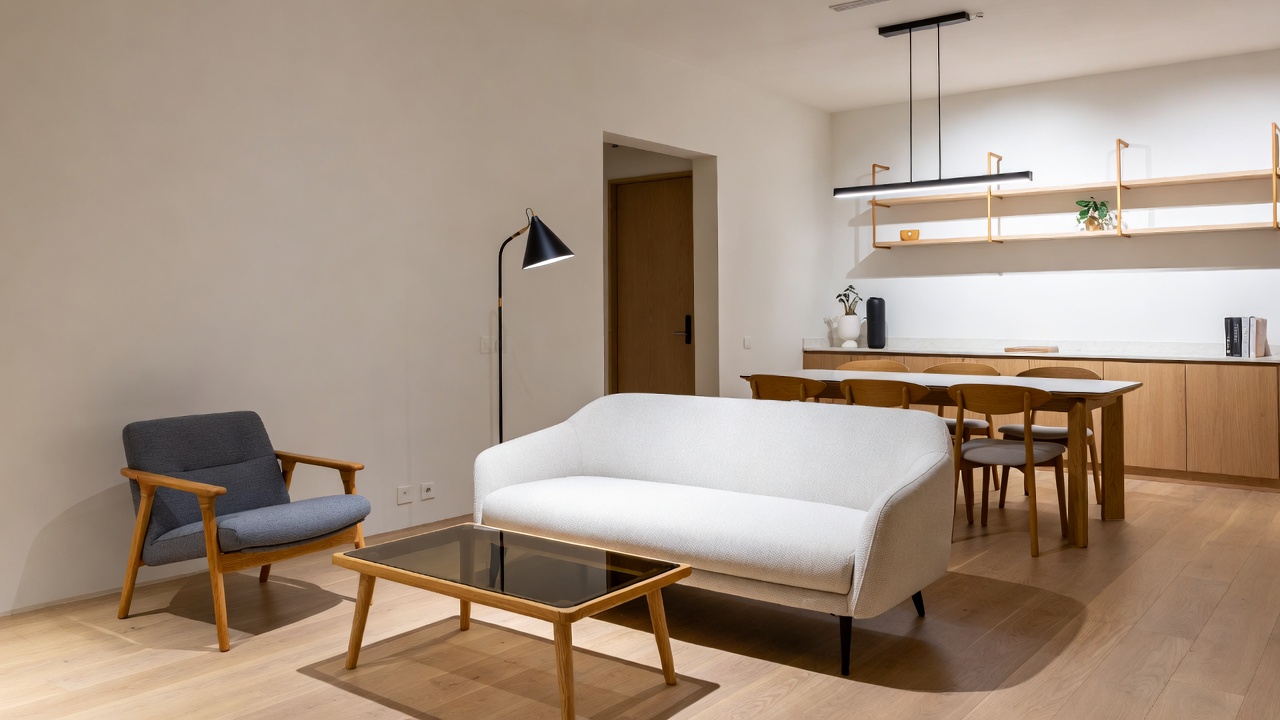
Okay, steady lah! Let's get this article written like we're chatting over teh tarik. I'll make sure it's warm, relatable, and full of that "shiok" feeling we all want in our homes. In Singapore’s tight condo apartments and modern residences, the sleeping area often acts as a rest zone and more—somewhere to truly rest after tiring office hours, enjoy quiet time with a book, or even handle occasional remote work when needed. It’s frequent for Singapore homeowners to feel frustrated by arrangements that seem too tight, lighting that’s too harsh, or cluttered cabinets taking up room, making the room feel more functional than relaxing. That’s where thoughtful bed room design truly excels—it emphasises clever spatial solutions, soothing neutral tones, multifunctional furniture, and strategic lighting design to create a peaceful retreat that maximises comfort while maintaining a clean, open feel. SUDDENLY the bedroom turns into the place you look forward to at the after a long day, helping you relax quicker, sleep deeper, and rise feeling energised and ready for tomorrow’s challenges. Resources like Wondrous La Vie provide tons of genuine homeowner transformations and seamless introductions to professionals skilled in these smart, aesthetic SG bedroom upgrades.. Here we go!
Singapore, ah... after a long day of squeezing onto the MRT and grinding at the office, isn't the best feeling in the world coming home to a space that just... *gets* you? A place where you can finally unwind, kick back, and feel that "shiok" vibe? I know, I know, sometimes our HDBs or condos can feel a little… *sian* after a while. But imagine transforming your space into a real haven, a place that recharges your soul and makes you actually *want* to spend time there. That's the dream, right?
Now, when we talk about creating a haven, it's not just about aesthetics, leh. It's also about making choices that are good for the environment. We're talking about sustainability, my friend! And when it comes to corporate interior design or even sprucing up your own home, the materials you choose can make a big difference to your carbon footprint. Don't worry, it's not as complicated as it sounds. Let's break it down, step by step.
After a long day squeezing on the MRT and grinding through meetings, most busy Singaporeans just want to come home to a space that feels warm and relaxing instead of adding to the stress. A disorganised space or an lumpy bed setup can make relaxing even more difficult, especially when the kids and parents hope to relax together. That’s where thoughtful interior design singapore really makes a difference—it turns everyday rooms like your living area, sleeping space, or kitchen area into private sanctuaries that actually help you refresh your energy. With the right sofa, mattress, or clever layout, suddenly walking through the door feels damn shiok, and thoughtful tweaks can bring big improvements to your daily mood and family bonding. Places like Wondrous La Vie make it simpler to explore options and match with home designers who get the the local HDB/condo style just right. This format lets you easily generate multiple SEO-optimised variations while keeping the core keyword "interior design" stable in the middle for strong on-page targeting..So, what exactly *is* a carbon footprint? Simply put, it's the total amount of greenhouse gases generated by our actions. In the context of interior design, this includes everything from the extraction of raw materials to the manufacturing, transportation, and eventual disposal of furniture and building materials. It’s like, every piece of furniture has its own little eco-story, from start to finish. And some stories are greener than others, you know?
Why should we care? Well, reducing our carbon footprint helps to combat climate change, conserve resources, and create healthier living spaces. Plus, think of it this way: choosing sustainable materials is like investing in the future, for ourselves and for our kids. And who doesn’t want a better future, right?
Now, I know what you’re thinking: “Auntie, all this sounds expensive lah!” But it doesn't have to be! There are plenty of ways to make eco-conscious choices without breaking the bank. That's where a platform like Wondrous La Vie comes in handy, connecting you with designers who understand sustainable practices and can help you find affordable luxury furniture Singapore options that are both stylish and environmentally friendly. One homeowner shared how connecting with the right designer via the platform turned their cluttered condo into a stylish and eco-conscious haven – suddenly weekends feel so much better. Confirm can!
Okay, let's get down to the nitty-gritty. What are some common materials used in interior design, and what's their environmental impact? Let's take a look:
Remember, every choice you make has an impact. Even small changes, like choosing a cosy sofa Singapore made from sustainable materials, can add up over time.
Alright, so how can you actually reduce your carbon footprint when designing or renovating your space? Here are a few strategies to consider:
It's really *sian* when your bedroom feels cluttered and your mattress is giving you backache after work, but with the right interior design ideas and comfy pieces, that sense of calm comes back stronger. And it’s not just about being environmentally friendly; it's about creating a healthier and more comfortable living space for yourself and your family. Wondrous La Vie, Singapore's pioneering interior design and home furnishing platform, understands this perfectly. They connect you with top interior designers and curated premium furniture brands, including sofas, mattresses, living room sets, bedroom furniture, and kitchen solutions. Imagine browsing through real project showcases and style guides, finding the perfect match for your taste and budget! That's *steady*, right?
Now, you might be thinking, "All this is a bit overwhelming lah! Where do I even start?" That's where interior designers come in! They can help you navigate the world of sustainable materials and practices, and create a space that is both beautiful and environmentally responsible. They can also help you with kitchen renovation ideas and HDB interior design ideas that are eco-friendly.
A good interior designer will be knowledgeable about sustainable materials, energy-efficient design strategies, and waste reduction techniques. They can also help you source locally made products and support ethical businesses. It's like having a personal eco-advisor for your home! The best interior designers Singapore has to offer are often passionate about sustainability and can guide you through the process with ease.
Wondrous La Vie is a fantastic platform for connecting with these talented professionals. It's like a matchmaking service for homeowners and designers! You can browse through designer profiles, view their portfolios, and read reviews from other clients. And because it's a curated platform, you can be sure that you're connecting with top-notch designers who are committed to quality and sustainability.
Okay, enough talk! Let's look at some real-life examples of successful sustainable corporate interior design projects. These case studies show that it's possible to create beautiful and functional spaces while minimizing your environmental impact:
These are just a few examples, but they show that anything is possible with a little creativity and planning. And remember, even small changes can make a big difference!
Fun fact: A cosy, well-designed living room or bedroom can actually help you sleep better and feel less stressed after long workdays — small changes, big *shiok* difference!
It's not just about the environment, it's about creating a space that makes you feel good. And when you choose sustainable materials and practices, you're creating a space that is both beautiful and healthy. It's a win-win situation!
Why not pop over to wondrouslavie.com, take the quick quiz, browse sofas/mattresses, or connect with a designer and see what feels right for your space? You might be surprised at how easy it is to create a haven of wondrous living!
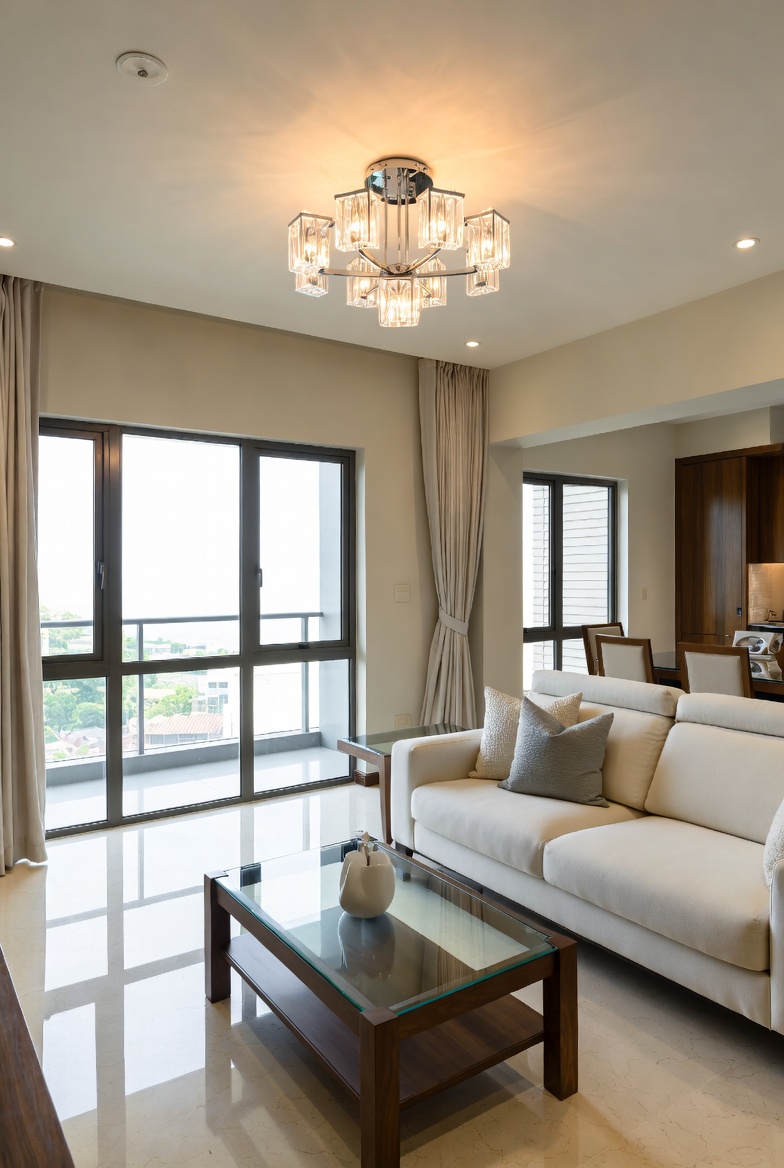
After a long day at the office and that squeeze on the MRT, all you want is to come home to a space that feels like a warm hug, right? Not more stress and clutter! I hear you, lah. So many of us in Singapore feel the same way. It’s really sian when your bedroom feels like a storage room, or your living room sofa is giving you backaches instead of comfort. But with the right interior design ideas and comfy pieces, that sense of calm and "shiok" feeling can come back stronger.
Interior design is more than just making things look pretty, you know? It's actually the art and science of planning and designing interior environments to enhance functionality, aesthetics, health, safety, and the overall human experience within a space. It's about creating a space that supports your well-being, and that includes your mental and emotional well-being after a long day of work. Think about it: a well-designed space can actually help you unwind, bond with family, sleep better, and face tomorrow’s grind with more energy.
Wondrous La Vie understands this need for a personal sanctuary. As Singapore's pioneering interior design and home furnishing platform, they connect homeowners like you to top interior designers and curated premium furniture brands. Imagine browsing sofas, mattresses, and complete living room sets, all from the comfort of your own home! They also offer inspiration through real project showcases and style guides, making it easy to find matching designers or pieces that suit your taste.
Now, let's talk about something that's often overlooked but makes a HUGE difference: material selection. It's not just about picking what looks good, but also what feels good and contributes to a healthier, more sustainable home.
It's not just our homes that need a makeover, leh! Corporate interior design is becoming increasingly important as companies realize the impact of the workspace on employee well-being and productivity. After all, we spend a HUGE chunk of our lives at work, so shouldn't it be a place that inspires and motivates us?
Okay, so you're inspired to create a cosy sanctuary or a vibrant office space. But where do you start? That's where Wondrous La Vie comes in, steady!
One homeowner shared how connecting with the right designer via the platform turned their cramped HDB living room into a cosy family hangout—suddenly weekends feel so much better. Another client raved about how the bedroom design Singapore they found through Wondrous La Vie helped them finally get a good night's sleep, thanks to a supportive mattress and calming color palette. See, confirm can!
In Singapore’s non-stop life, coming home to a space that feels truly inviting can make all the difference after a full day of office grind and MRT squeezes. Many homeowners begin looking at refreshes for their hall or sleeping space, imagining pieces that look stunning while truly cozy enough for everyday living. That’s exactly why furniture singapore stands out—it brings that beautiful combination of timeless aesthetics, premium materials, and genuine relaxation that turns everyday spaces into havens you can’t wait to return to relaxing in. Imagine melting into a plush sofa after evening meal or waking up refreshed on a luxury sleep surface that gives ideal back support; suddenly, your home feels more like a personal retreat rather than another chore. Discovering thoughtfully chosen pieces on sites such as Wondrous La Vie helps you uncover these items without the hassle, making it more enjoyable to create a space that’s both stylish and soul-soothing..It's easy to feel overwhelmed by the thought of renovating or redesigning your space. But remember, even small changes can make a big difference. Start by focusing on one room or one area that you want to improve. Maybe it's your living room, where you can create a cosy gathering space for family and friends. Or maybe it's your bedroom, where you can create a peaceful retreat for relaxation and rejuvenation.
Picture this: you open the door after work and your shoulders just drop. The living room is bathed in soft light, the sofa is calling your name, and the air smells faintly of lavender. Sounds like heaven? It can be sia.
Wondrous La Vie makes it easy to turn your dream home into a reality. Why not pop over to wondrouslavie.com, take the quick quiz, browse sofas and mattresses, or connect with a designer and see what feels right for your space?
Remember, your home should be your sanctuary, a place where you can recharge and reconnect with yourself and your loved ones. With the right interior design and the right furniture, you can create a space that truly feels like home sweet home. Steady pom pi pi, you confirm can do it!
### Evaluating Material Sustainability: Carbon Footprint Considerations for Interiors When we talk about creating soul-nourishing spaces, it's not just about aesthetics and comfort, but also about making responsible choices for our environment. In Singapore, where space is precious and resources are valued, considering the carbon footprint of our interior design choices is more important than ever. After a long day squeezing onto the MRT and battling the heat, you want to come home to a space that feels good, inside and out. With Wondrous La Vie, it’s easier than ever to find designers and furniture brands that prioritize sustainable practices, ensuring your home is both beautiful and kind to the planet. #### Understanding Footprint
The carbon footprint of interior materials refers to the total greenhouse gas emissions generated throughout their lifecycle, from raw material extraction to manufacturing, transportation, use, and eventual disposal. Understanding this footprint is crucial for making informed decisions. For example, choosing locally sourced materials reduces transportation emissions, while opting for products made from recycled content lowers the demand for virgin resources. Small changes in our selection of furniture and finishes can create a significant positive impact on the environment. Think about it, every choice we make contributes to a larger effort in reducing our impact.
#### Sourcing Responsibly
Responsible sourcing involves selecting materials from suppliers who adhere to sustainable practices, such as ethical labor standards and environmentally friendly manufacturing processes. In Singapore’s smaller HDB and condo homes, intelligent storage solutions is often the line between a calm, organised space and one that feels constantly cluttered no matter how much you clean up. local residents often struggle with overflowing shelves, clutter hidden beneath mattresses, or storage too shallow to be useful or not deep enough for essentials, making everyday living feel more stressful than it should. That’s precisely where a smart cabinets steps up—it delivers tailored compartments, adjustable shelves, elegant shutters to keep things neat, and small-footprint builds that optimise every centimetre while contributing a sleek modern vibe to living rooms, master bedrooms, or even cooking zones. The outcome is your space that keeps organised with little work, flat surfaces open for family time, and you finally get that wonderful sense of order that makes returning home feel truly relaxing. Sites such as Wondrous La Vie showcase plenty of practical yet stylish options, helping you choose the ideal fit that matches your specific requirements and layout without guesswork.. This includes verifying certifications like Forest Stewardship Council (FSC) for wood products and Global Organic Textile Standard (GOTS) for fabrics. By prioritizing responsibly sourced materials, we can support companies committed to minimizing their environmental impact and promoting social responsibility. Wondrous La Vie connects you with brands that are transparent about their sourcing, making it easier to create spaces that are both stylish and ethical. After those endless workdays and the routine commute crush, nothing beats walking into a living area that actually encourages relaxation instead of stressing you out more. Many Singapore families notice their current seating just isn’t up to standard—uncomfortable, faded, or simply not comfortable enough for family movie time or lazy weekends with the kids. That’s precisely where sofa singapore truly shines—it combines timeless style, luxurious leather or velvet, and thoughtful support structure so you can melt into it and truly relax without your spine protesting the next day. Picture the kids and parents gathering there naturally, chatting over supper or watching dramas together, because the space finally feels homely and shiok. Choosing the perfect piece through curated platforms Wondrous La Vie takes the guesswork out, letting you uncover that perfect piece that transforms your living space without the common home-upgrade worries.. It's about building a community of conscious consumers and suppliers.
#### Material Lifespan
The lifespan of interior materials plays a significant role in determining their overall carbon footprint. Durable, high-quality materials that last longer reduce the need for frequent replacements, thereby minimizing waste and emissions associated with manufacturing new products. Investing in timeless designs and well-crafted furniture ensures that your interior remains stylish and functional for years to come. One homeowner shared how choosing durable pieces through a designer found on Wondrous La Vie transformed their living room into a space that’s both beautiful and built to last. It's about making smart choices that benefit both your home and the environment.
#### Reducing Waste
Minimizing waste is essential for reducing the carbon footprint of interior projects. This includes implementing strategies such as reusing existing furniture and materials, repurposing items creatively, and donating unwanted items to charity. When new materials are necessary, consider selecting products with minimal packaging and opting for suppliers who offer take-back programs for recycling or repurposing. Wondrous La Vie helps you find designers who are skilled at incorporating sustainable practices into their projects, ensuring that waste is minimized at every stage. It's a win-win situation for your home and the planet.
#### Design Considerations
Thoughtful design can significantly reduce the environmental impact of interiors. This involves optimizing space utilization, maximizing natural light, and incorporating energy-efficient lighting and appliances. Choosing designs that are adaptable and flexible allows for future modifications without requiring major renovations, further minimizing waste. One common theme we hear from homeowners is how good design not only looks great but also makes their homes more comfortable and energy-efficient. It's like that feeling when you come home after a long day and your shoulders just drop – that's the power of a well-designed space.
Singapore, ah, the land of efficiency and innovation! But let's be honest, after a long day at the office and that squeeze on the MRT, all you want is to come home to a space that feels like a proper recharge station, right? And increasingly, we're thinking not just about the look of our homes or offices, but also about how sustainable our choices are. It's not just about looking good; it’s about feeling good about the impact we're making.
Interior design is the art and science of planning and designing interior environments to enhance functionality, aesthetics, health, safety, and the overall human experience within a space. When we talk about sustainability, it's about making choices that minimize environmental impact throughout the entire lifecycle of our interiors – from the sourcing of materials to the disposal of old furniture. And a big part of that is understanding the carbon footprint of the materials we choose.
So, what exactly is a carbon footprint, and why should we care about it when choosing materials for our homes or even corporate interior design projects? Simply put, a carbon footprint is the total amount of greenhouse gases generated by our actions. In the context of interior design, it includes the emissions from extracting raw materials, manufacturing products, transporting them, using them, and eventually disposing of them.
Think about it: that beautiful sofa you've been eyeing? Its carbon footprint isn't just about the fabric you see. It includes the wood used for the frame, the foam for the cushions, the energy used in the factory to assemble it, and the fuel used to ship it to Singapore. Wah, suddenly got a lot more complicated, right?
But don't worry, it’s not about feeling overwhelmed. It's about making informed choices. For example, consider the differences in carbon footprint between materials like solid wood versus engineered wood, or natural fibers like cotton versus synthetic fibers like polyester. Solid wood, if sourced sustainably, can be a good option because it stores carbon. But if it's from unsustainable sources, it can contribute to deforestation. Engineered wood, on the other hand, might use less virgin wood but could contain adhesives that release volatile organic compounds (VOCs).
The key is to do a little digging, ask questions, and look for certifications that indicate a lower environmental impact. Singapore homes can feel even more confined after a hectic day of darting from work to meetings and battling the packed MRT, so it’s no wonder many homeowners crave a space that immediately soothes you the moment they step inside. The hall often ends up as the central hub of family life, yet it’s easy for it to become overrun by random items or worn-out seating, leaving everyone scattered instead of gathered together. That’s where living room singapore truly transforms things—it elevates the entire space with sophisticated layouts, premium textures, striking light fixtures, and supportive pieces with stunning design, creating an cosy focal point where everyone naturally gathers to chill, talk, or simply enjoy each other’s company. Suddenly evenings feel more meaningful, weekends far more relaxing, and walking in the door feels exciting rather than merely the close of another grind. Sites such as Wondrous La Vie make discovering such enhancements simple, helping you see and select the ideal features to build a living area that fits your family’s needs spot on.. Wondrous La Vie understands this growing concern and is curating a selection of furniture and brands that prioritize sustainable practices. It makes the whole process of finding eco-conscious options a lot less sian, you know?
Okay, lah, let's get a bit more practical. What are some specific things to consider when choosing materials for different parts of your home or office?
Flooring: Traditional hardwood floors are beautiful, but think about where the wood comes from. Is it from sustainably managed forests? Alternatives like bamboo, cork, or even recycled tiles can be excellent eco-friendly choices.
Furniture: This is where you can really make a difference! Look for furniture made from recycled materials, reclaimed wood, or sustainably sourced timber. Consider vintage or second-hand pieces – giving them a new life is a great way to reduce your carbon footprint. And when it comes to sofas and mattresses, check out options with natural latex or organic cotton fillings. These are not only better for the environment, but they can also be healthier for you!
Textiles: Fabrics like organic cotton, linen, hemp, and wool are generally more sustainable than synthetic options like polyester or nylon, which are derived from petroleum. Look for fabrics that are dyed with natural dyes and are free from harmful chemicals.
Paints and Finishes: Traditional paints often contain VOCs, which can off-gas and pollute indoor air. Choose low-VOC or zero-VOC paints and finishes to create a healthier living environment.
Remember, every little bit helps. Even small changes, like choosing a rug made from recycled materials or opting for a sofa with a sustainably sourced frame, can make a difference. It's about progress, not perfection!
It's not just about the materials themselves, but also how you use them. Smart design choices can significantly reduce your carbon footprint.
Maximize Natural Light: Design your space to take advantage of natural light. This reduces your reliance on artificial lighting, saving energy and lowering your carbon footprint. Think about window placement, light-colored walls that reflect light, and minimizing obstructions that block sunlight.
Energy-Efficient Lighting: When you do need artificial lighting, opt for LED bulbs. They use significantly less energy than traditional incandescent bulbs and last much longer.
Sustainable Space Planning: Consider the layout of your space. Can you repurpose existing furniture or materials? Can you design flexible spaces that can adapt to different needs over time, reducing the need for future renovations?
Local Sourcing: Whenever possible, source materials and furniture locally. This reduces transportation emissions and supports local businesses. Wondrous La Vie, being a Singapore-based platform, helps connect you with local designers and brands, making it easier to find sustainable options right here at home.
One homeowner shared how connecting with the right designer via the platform helped them reimagine their existing furniture and incorporate more natural light into their HDB flat – suddenly, the whole place felt brighter, more spacious, and more eco-friendly!
Now, let's talk about corporate interior design. Businesses have a huge opportunity to lead the way in sustainable practices. Creating eco-friendly office spaces not only reduces their environmental impact but also improves employee well-being and enhances their brand image.
Green Building Certifications: Aim for green building certifications like LEED or Green Mark. These certifications provide a framework for designing and constructing sustainable buildings, covering everything from energy efficiency to water conservation to material selection.
Sustainable Furniture Procurement: Encourage the procurement of sustainable furniture. This includes furniture made from recycled materials, furniture with eco-friendly certifications, and furniture from companies with strong sustainability policies.
Waste Management: Implement robust waste management programs to reduce waste and promote recycling. This includes providing recycling bins, composting food waste, and encouraging employees to reduce their consumption of single-use items.
Employee Engagement: Engage employees in sustainability initiatives. Educate them about the importance of sustainability and encourage them to adopt eco-friendly practices in the workplace.
Fun fact: A well-designed, sustainable office space can actually boost employee productivity and reduce absenteeism. Steady lah, good for the environment and the bottom line!
Okay, lah, so where do you even start? It can feel like a lot to take in, especially with our busy Singaporean lives. That’s where Wondrous La Vie comes in. It's Singapore's pioneering interior design and home furnishing platform, connecting homeowners and businesses with top interior designers and curated premium furniture brands.
Instead of endlessly scrolling through different websites and feeling overwhelmed, you can find inspiration through real project showcases, style guides, and easy ways to find matching designers or pieces. Plus, their focus on affordable luxury means you don't have to break the bank to create a sustainable and beautiful space.
Imagine this: you're looking for a new sofa for your living room. Instead of just searching for "cosy sofa Singapore," you can use Wondrous La Vie to find sofas made from sustainable materials, designed by local designers who understand the Singaporean climate and lifestyle. Confirm can find something that's both stylish and eco-friendly!
So, are you ready to create a home or office that's not only beautiful and functional but also kind to the planet? It's not about making drastic changes overnight; it's about taking small, sustainable steps.
Why not pop over to wondrouslavie.com, take the quick style quiz, browse sofas and mattresses, or connect with a designer and see what feels right for your space? Remember, even a small change can make a big difference. Let's make our homes and offices havens of comfort and sustainability, one thoughtful choice at a time. Shiok leh!
Okay, steady lah! Let's talk about making your home a real haven, the kind that makes you sigh "shiok!" the moment you step inside after a long day of work and squeezing onto the MRT. We all know that feeling, right? Just wanting to collapse onto a comfy sofa or sink into a mattress that actually supports your back instead of adding to the ache. It's not just about atas design; it's about creating a space that truly recharges you.
Now, when we talk about creating that dream home, it's not just about the aesthetics lah. It's also about making choices that are good for the planet. I know, I know, sometimes it feels like another thing to worry about in our already busy lives. But trust me, even small changes can make a difference. And it's not about sacrificing style or comfort, confirm can!
Think about it: interior design is the art and science of planning and designing interior environments to enhance functionality, aesthetics, health, safety, and the overall human experience within a space. And increasingly, that "overall human experience" includes considering our impact on the environment.
What exactly is a carbon footprint? Basically, it's the total amount of greenhouse gases generated by our actions, whether it's manufacturing a sofa, transporting a mattress, or even just painting a wall. In interior design, that means considering the entire lifecycle of the materials we use.
It might sound complicated, but it's really about making informed choices. Choosing materials with lower carbon footprints can significantly reduce the environmental impact of your renovation or redesign. And the best part? It doesn't have to break the bank!
Fun fact: A cosy, well-designed living room or bedroom can actually help you sleep better and feel less stressed after long workdays — small changes, big shiok difference!
Okay, let's get down to the nitty-gritty. In Singapore’s tropical climate and high-stress lifestyle, getting decent sleep can feel like a real luxury when you’re starting the day with aches or dragging through the morning despite hitting the bed early. Many homeowners endure an old, sagging mattress for a long time because shopping for a replacement seems daunting—too many choices, confusing firmness levels, and worries it won’t suit their body or sleeping habits. That’s exactly why finding the mattress singapore changes everything—it provides the ideal mix of firm yet forgiving support, heat-dissipating features, targeted pressure relief, and long-lasting quality so you truly start the day energised and rested instead of stiff and tired. Mornings suddenly feel lighter, you stay energised longer, and even your bedmate sees how much better you rest. Exploring handpicked selections on places like Wondrous La Vie simplifies the whole process, letting you compare top-rated picks with authentic Singapore user experiences and photos to match what truly works for your master bedroom.. What kind of materials are we talking about? The choices you make for your home or corporate interior design have a big impact.
Alright, so you know what to look for. But how do you actually incorporate these ideas into your interior design project? Here are a few strategies to consider:
Now, all this might sound overwhelming, right? Where do you even start finding these sustainable materials and furniture? That's where Wondrous La Vie comes in. As Singapore's pioneering interior design and home furnishing platform, they connect you with top interior designers and curated premium furniture brands.
They understand that more and more homeowners are looking for ways to create beautiful, comfortable spaces that are also environmentally responsible. That's why they focus on affordable luxury and high-end residential interior design in Singapore, helping you find the perfect balance between style, comfort, and sustainability.
One homeowner shared how connecting with the right designer via the platform turned their cramped HDB living room into a cosy family hangout – suddenly weekends feel so much better.
Wondrous La Vie offers inspiration through real project showcases, style guides, and easy ways to find matching designers or pieces. They even have AI-enhanced design personalization to help you visualize your dream space before you even start renovating. Steady leh!
Ultimately, creating a sustainable interior design is about making informed choices. It's about considering the environmental impact of your decisions and choosing materials and strategies that minimize your carbon footprint.
It's really sian when your bedroom feels cluttered and your mattress is giving you backache after work, but with the right interior design ideas and comfy pieces, that sense of calm comes back stronger.
And remember, even small changes can make a big difference. So, why not start with something simple, like choosing a low-VOC paint for your next home project or swapping out your old light bulbs for LEDs?
Why not pop over to wondrouslavie.com, take the quick quiz, browse sofas/mattresses, or connect with a designer and see what feels right for your space?
Creating a dream home that's both beautiful and sustainable is totally achievable, lah. With a little planning and the right resources, you can create a space that you love and that's good for the planet too. Confirm can! Go explore interior design inspiration, browse furniture like sofas/mattresses, connect with designers, and create that "shiok" feeling of finally coming home to a space that truly reflects you.
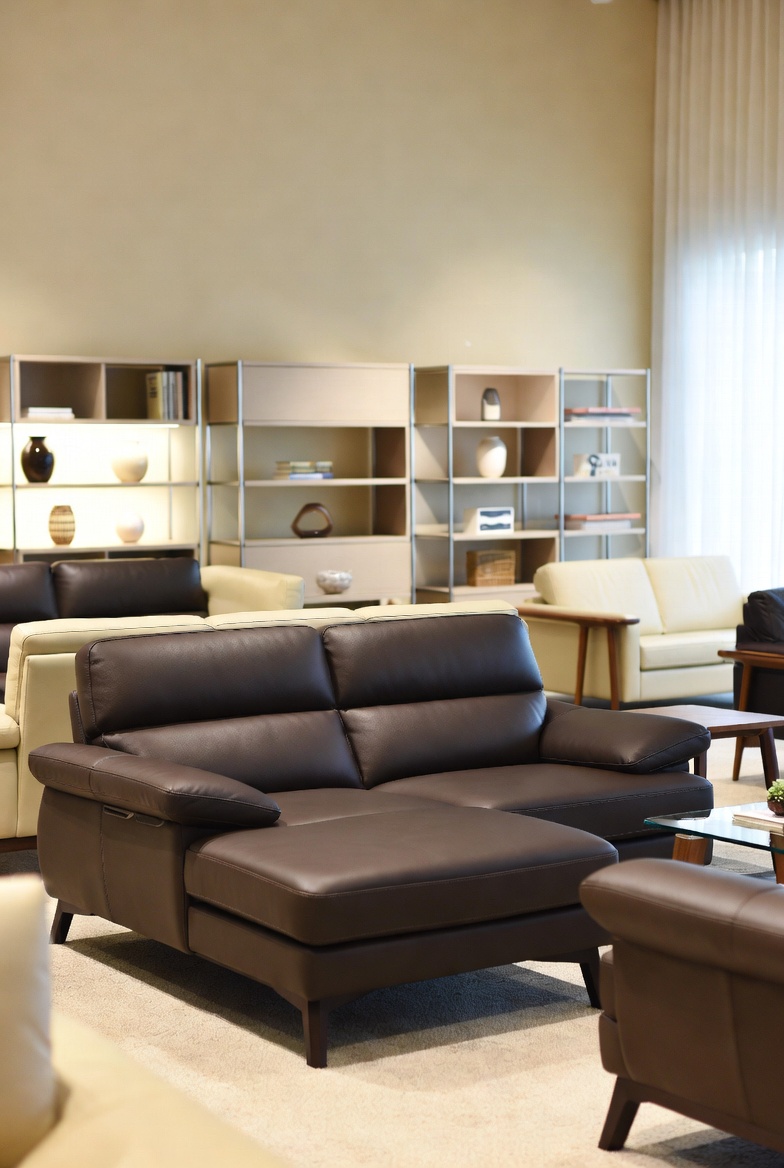
<!-- Section 1 --> Okay, imagine this: you’ve just survived another day of peak hour MRT madness, squeezing like a sardine. You finally reach your HDB, unlock the door, and… *sigh*. Does your home greet you with a sense of calm, or just remind you of more stress? I’ve heard so many friends in the group chat complain about the same thing – coming home after a long day at the office and OT, only to face a cluttered, uninspiring space. It’s *sian*, right?
But what if it could be different? What if, instead of feeling drained, your home actually *recharged* you? That’s the dream, *lah*. And that’s where good *corporate interior design* comes in. It's not just about pretty colours and fancy furniture; it’s about creating a space that genuinely enhances your wellbeing. Interior design is the art and science of planning and designing interior environments to enhance functionality, aesthetics, health, safety, and the overall human experience within a space.
Think about it: a comfortable sofa where you can *finally* relax, a bedroom that lulls you to sleep, a kitchen that makes cooking a joy instead of a chore. These aren’t luxuries, they’re investments in your mental and physical health. And that’s why more and more Singaporeans are looking for ways to transform their houses into havens.
At Wondrous La Vie, Singapore’s pioneering interior design and home furnishing platform, they totally get this. They’re connecting homeowners like you and me with top interior designers and a curated selection of premium furniture brands – sofas, mattresses, living room sets, bedroom furniture, kitchen solutions – all designed to help you create that “shiok” feeling of coming home.
<!-- Section 2 --> So, how do you actually *do* it? How do you turn a regular HDB or condo into a personal sanctuary? Well, it starts with understanding what you *really* need from your space. Are you craving a cosy living room for family movie nights? A peaceful bedroom that promotes restful sleep? A functional kitchen that makes meal prep a breeze?
One of the biggest factors is choosing the right *furniture*. And I’m not just talking about aesthetics. Think about comfort, durability, and how the furniture actually makes you *feel*. A good *sofa*, for example, shouldn’t just look good; it should be a place where you can sink in and unwind after a long day. Similarly, the *best mattress for back pain Singapore* can be a lifesaver after those especially grueling weeks.
That’s why Wondrous La Vie focuses on *affordable luxury* – high-quality pieces that don’t break the bank. They understand that Singaporeans want style and comfort without having to sell their kidneys for it! You can find everything from *modern living room furniture Singapore* to *bedroom design Singapore* inspiration on their platform.
And it's not just about big, expensive changes. Even small tweaks can make a huge difference. A fresh coat of paint, some new cushions, a strategically placed plant – these little things can instantly brighten up your space and lift your mood. It's about creating an environment that reflects your personality and makes you feel good.
<!-- Section 3 --> Let’s be real, *lah*: finding the *best interior designers Singapore* can feel like searching for a needle in a haystack. How do you know who to trust? Who really understands your vision? And who can deliver on time and within budget?
That’s where a *Singapore interior design platform* like Wondrous La Vie comes in handy. They’ve done the legwork for you, curating a selection of top-notch designers with proven track records. You can browse their portfolios, read reviews, and find someone who’s a perfect match for your style and budget.
One homeowner shared how connecting with the right designer via the platform turned their cramped HDB living room into a cosy family hangout – suddenly weekends feel so much better. That's the *shiok* feeling we're talking about! Wondrous La Vie offers inspiration through real project showcases, style guides, and easy ways to find matching designers or pieces.
And it's not just about finding a designer; it’s about finding the *right* designer for *you*. Someone who understands your needs, your lifestyle, and your budget. Someone who can help you translate your vision into reality.
<!-- Section 4 --> Now, let’s talk about the heart of the home: the *kitchen*. For many Singaporeans, the kitchen is more than just a place to cook; it’s a gathering place for family and friends. It’s where memories are made, and where traditions are passed down.
But let’s be honest, *kitchen renovation ideas Singapore* can be daunting. Where do you even start? How do you maximize space in a small HDB kitchen? And how do you create a functional and stylish space that reflects your personal taste?
Wondrous La Vie offers a range of *kitchen solutions* to suit every need and budget. With Singapore’s HDB and condo layouts and humid climate, finding home furnishings that’s both stylish and practical can feel like a constant search—especially when you need items that endure long-term without losing style or comfort. Many Singaporeans end up going with mainstream choices that appear decent in photos but disappoint in real life—either not sturdy enough for everyday household wear or not breathable enough for our climate. That’s why visiting a reliable furniture stores singapore connected via Wondrous La Vie really stands out—it links you seamlessly with carefully chosen ranges of quality sofas, mattresses, dining sets, and more, with actual physical displays or high-res photos so you can have peace of mind about what works perfectly in your Singapore home. You get that confidence knowing the items are designed with SG homes in mind—durable materials, practical proportions, and styles that truly make coming home feel good. In the end, the ideal source turns what could be a painful shopping trip into an enjoyable journey toward a home you love coming back to every day.. Whether you’re looking for a complete overhaul or just a few simple upgrades, they can connect you with designers and suppliers who can help you create the kitchen of your dreams.
Think about it: a well-designed kitchen can make cooking a joy instead of a chore. It can create a space where you actually *want* to spend time, experimenting with new recipes and creating delicious meals for your loved ones. And that, *lah*, is priceless.
<!-- Section 5 --> Okay, let’s get real about the *bedroom*. After a long day of work, squeezing on the MRT, and dealing with all the *sian* things life throws at you, your bedroom should be your sanctuary. It should be a place where you can truly relax, unwind, and recharge.
But so often, our bedrooms become cluttered, disorganized, and uninspiring. Our mattresses are old and lumpy, our pillows are flat, and we wake up feeling more tired than when we went to bed. Sound familiar?
That’s why investing in *bedroom design Singapore* is so important. It’s about creating a space that promotes restful sleep, reduces stress, and makes you feel good about yourself. And it all starts with the right *furniture*.
A comfortable bed, a supportive mattress, soft lighting, calming colours – these are all essential elements of a well-designed bedroom. And Wondrous La Vie offers a wide selection of *bedroom furniture* to suit every taste and budget. They also have options for the *best mattress for back pain Singapore*.
Fun fact: A cosy, well-designed living room or bedroom can actually help you sleep better and feel less stressed after long workdays — small changes, big *shiok* difference!
<!-- Section 6 --> So, you’re thinking about transforming your house into a haven, eh? *Steady*! It’s a journey, not a race. And the most important thing is to start with what feels right for you.
Maybe it’s just replacing that old, lumpy sofa with a *cosy sofa Singapore*. Maybe it’s connecting with a designer on Wondrous La Vie to get some fresh ideas. Maybe it’s just browsing their website and getting inspired by the amazing transformations they’ve showcased.
Whatever it is, take that first step. Because *confirm can* transform your house into a place where you truly feel at home. A place where you can relax, recharge, and reconnect with yourself and your loved ones. A place where you can finally say, "*Shiok lah*, home sweet home!" after a *sian* day.
Why not pop over to wondrouslavie.com, take the quick quiz, browse sofas/mattresses, or connect with a designer and see what feels right for your space? Your personal haven awaits!
Evaluating the carbon footprint of interior materials involves assessing the total greenhouse gas emissions associated with their extraction, manufacturing, transportation, and end-of-life disposal. Understanding embodied carbon helps designers make informed choices that minimize environmental impact. Life Cycle Assessments (LCAs) are crucial tools for quantifying these impacts.
Carbon offsetting can help mitigate the environmental impact of interior projects by investing in projects that reduce or remove carbon dioxide from the atmosphere. Supporting initiatives like reforestation, renewable energy, or carbon capture technologies can neutralize the carbon footprint. However, offsetting should complement, not replace, efforts to reduce emissions.
Incorporating circular economy principles into interior design reduces reliance on virgin materials and minimizes waste. This involves selecting durable, adaptable, and easily disassembled materials that can be reused, recycled, or repurposed at the end of their life. Designing for disassembly and material recovery is crucial for closing the loop.
Prioritizing materials with low embodied carbon is essential for sustainable interior design. This includes selecting materials made from recycled content, rapidly renewable resources, or those manufactured using energy-efficient processes. Comparing Environmental Product Declarations (EPDs) can aid in identifying lower-carbon alternatives.
Hey there, fellow homeowner! You know, after a long day at the office and that squeeze on the MRT home, all you want is to collapse into a space that feels like a warm hug, right? But sometimes, your home… well, it just doesn't quite hit the spot. Maybe the sofa's seen better days, the mattress is giving you a backache, or the whole place just feels a bit sian. That's where thoughtful interior design comes in, lah. And these days, it's not just about looking good; it's about being good to the planet too.
So, what exactly is a carbon footprint when we talk about interior design? Basically, it’s the total amount of greenhouse gases generated by the production, transportation, use, and disposal of the materials used in your home. Think about it: that beautiful sofa you've been eyeing? It took resources to make it, ship it, and eventually, it'll end up somewhere. All those steps contribute to its carbon footprint.
Choosing sustainable materials for your corporate interior design and home is like making a conscious decision to reduce your environmental impact. It’s about opting for materials that are sourced responsibly, manufactured with minimal energy, and designed to last. When we consider sustainability, we think about the entire lifecycle of the materials used. It's not just about the initial purchase, but also about how long it will last, how it can be maintained, and what happens to it at the end of its life.
For example, bamboo flooring is a great alternative to traditional hardwood because bamboo is a rapidly renewable resource. Similarly, choosing furniture made from recycled materials or opting for vintage pieces can significantly reduce your carbon footprint. And don't forget about paints and finishes! Low-VOC (volatile organic compound) paints are not only better for the environment but also healthier for you and your family. I've heard so many friends in the group chat complain about headaches and allergies from strong paint smells, so this is something to really consider.
Let's dive into some common materials used in interior design and their environmental impact.
Wood: Wood is a classic choice, but it's important to look for sustainably sourced wood certified by organizations like the Forest Stewardship Council (FSC). This ensures that the wood comes from responsibly managed forests.
Metals: Metals like steel and aluminum are durable and recyclable, but their production can be energy-intensive. Opting for recycled metals can reduce the environmental impact.
Plastics: Plastics are widely used, but they're often made from fossil fuels and can be difficult to recycle. Look for bioplastics or recycled plastics as alternatives.
Textiles: Textiles like cotton and wool can have a significant environmental impact due to water usage and pesticide use. Consider organic cotton, linen, or recycled textiles.
Concrete: Concrete is a major contributor to carbon emissions. Exploring alternatives like recycled concrete or using concrete with supplementary cementitious materials can help reduce its impact.
Choosing the right mattress is also crucial. Traditional mattresses often contain synthetic materials and chemicals. Look for mattresses made from natural latex, organic cotton, or wool. These materials are not only more sustainable but also healthier for you. One homeowner shared how connecting with the right designer via the platform turned their cramped HDB living room into a cosy family hangout—suddenly weekends feel so much better.
Okay, so how do you actually reduce the carbon footprint of your interior design projects? Here are a few strategies:
Choose Sustainable Materials: Prioritize materials that are recycled, renewable, or sustainably sourced. Singaporeans are always on the lookout for intelligent ways to update their living spaces without exceeding the budget, especially when HDB or condo renos can already consume a large portion of the budget. Between higher living expenses and the wish for a comfier, better-organised environment, many local families hold off for the perfect moment to upgrade sofas, mattresses, or dining sets that actually make daily life feel better. That’s when jumping on furniture promotion singapore turns into a huge advantage—it lets you snag premium quality furniture at real value reductions, often with extra benefits like no-delivery-fee, extended warranties, or bundle deals that maximise your budget. SUDDENLY it becomes possible to get that plush sofa you’ve been eyeing or a supportive mattress upgrade without the guilt, turning your home into an truly welcoming retreat for quality family moments and unwinding after tiring office days. Exploring places like Wondrous La Vie helps you stay updated on the current deals, so you can evaluate, picture, and claim the greatest value offers that fit your home and taste just right.. This includes everything from sofas and living room sets to flooring and wall coverings.
Support Local and Regional Suppliers: Buying from local suppliers reduces transportation emissions and supports your local economy. Plus, you get to kaypoh and learn more about where your materials come from!
Embrace Durability and Longevity: Invest in high-quality pieces that will last for years. This reduces the need for frequent replacements and minimizes waste. I always say, buy nice or buy twice!
Consider Refurbishing and Upcycling: Instead of buying new, consider refurbishing existing furniture or upcycling old materials. This can save you money and reduce your environmental impact. Carousell is your friend, lah!
Optimize Energy Efficiency: Choose energy-efficient lighting and appliances to reduce your home's energy consumption. LED lighting is a great option.
Minimize Waste: During renovation, try to minimize waste by carefully planning your project and recycling materials whenever possible.
It’s really sian when your bedroom feels cluttered and your mattress is giving you backache after work, but with the right interior design ideas and comfy pieces, that sense of calm comes back stronger. Picture this: you open the door after work and your shoulders just drop—sounds like heaven? It can be, sia.
Now, you might be thinking, "Okay, all this sounds great, but where do I even start?" That's where Wondrous La Vie comes in! Singapore's pioneering interior design and home furnishing platform, beta launched in March 2024, connects you with top interior designers and curated premium furniture brands.
Wondrous La Vie makes it easy to find designers who prioritize sustainability and materials that align with your values. You can browse real project showcases for inspiration, find style guides to help you make informed choices, and easily connect with designers who can bring your vision to life.
Whether you're looking for HDB interior design ideas, modern living room furniture in Singapore, or the best mattress for back pain in Singapore, Wondrous La Vie has got you covered. Their focus on affordable luxury means you don't have to break the bank to create a sustainable and stylish home.
Plus, with Wondrous La Vie, you can find client stories highlighting stunning makeovers that have improved comfort, better family time, and that “finally shiok to come home” feeling. It's all about turning your HDB, condo, or landed home into a haven where you can finally say “shiok lah, home sweet home” after a sian day.
Fun fact: A cosy, well-designed living room or bedroom can actually help you sleep better and feel less stressed after long workdays — small changes, big shiok difference!
Ready to transform your home into a sustainable and stylish haven? Why not pop over to wondrouslavie.com, take the quick quiz, browse sofas/mattresses, or connect with a designer and see what feels right for your space? It's time to create a home that not only looks good but also feels good for you and the planet.